Unlock the 5 Essential Benefits of First Aid Training At Your Workplace
Mechanic Tim Hoffman’s Story
‘On October 3rd, 2013, an ordinary day quickly escalated into a life-threatening crisis. While working on a vehicle, I suddenly felt unwell. During my lunch break, I lost consciousness and later woke up in a hospital, surrounded by medical staff, family, and friends, all thankful to see me awake.
I had gone into cardiac arrest at work. A coworker, hearing the noise, immediately came to my aid, performing CPR while another called 911 (000 in Australia). Emergency responders arrived and took over the life-saving measures, using an AED to revive my heartbeat. I was clinically dead for seven minutes before being resuscitated and taken to the hospital, where I underwent therapeutic hypothermia to protect my brain.
My survival was due to the quick actions of my coworker, the emergency call, and the presence of an AED, demonstrating the crucial importance of immediate medical response and first aid knowledge.
Here’s a potentially lifesaving question: If Tim Hoffman had been at your workplace, would your staff know the appropriate steps to take?
In today’s workplace, ensuring the safety and well-being of employees is a fundamental responsibility. Whether it’s giving staff the time off to attend first aid courses or facilitating them at your at your own workplace, accredited training provides a comprehensive approach to preparing staff for medical emergencies, thereby enhancing overall safety and efficiency.
In this article we’ll highlight five essential benefits of integrating first aid training, including specialised courses like CPR and Provide First Aid in an Education and Care Setting, into your corporate setting.
Interested in locating nationally recognised first aid training courses in your area? First Aid Pro has a training locations finder to help you find the best option for you. Just click on the following link to locate a: First Aid Course Near Me.
1. CPR Training Can Save Lives
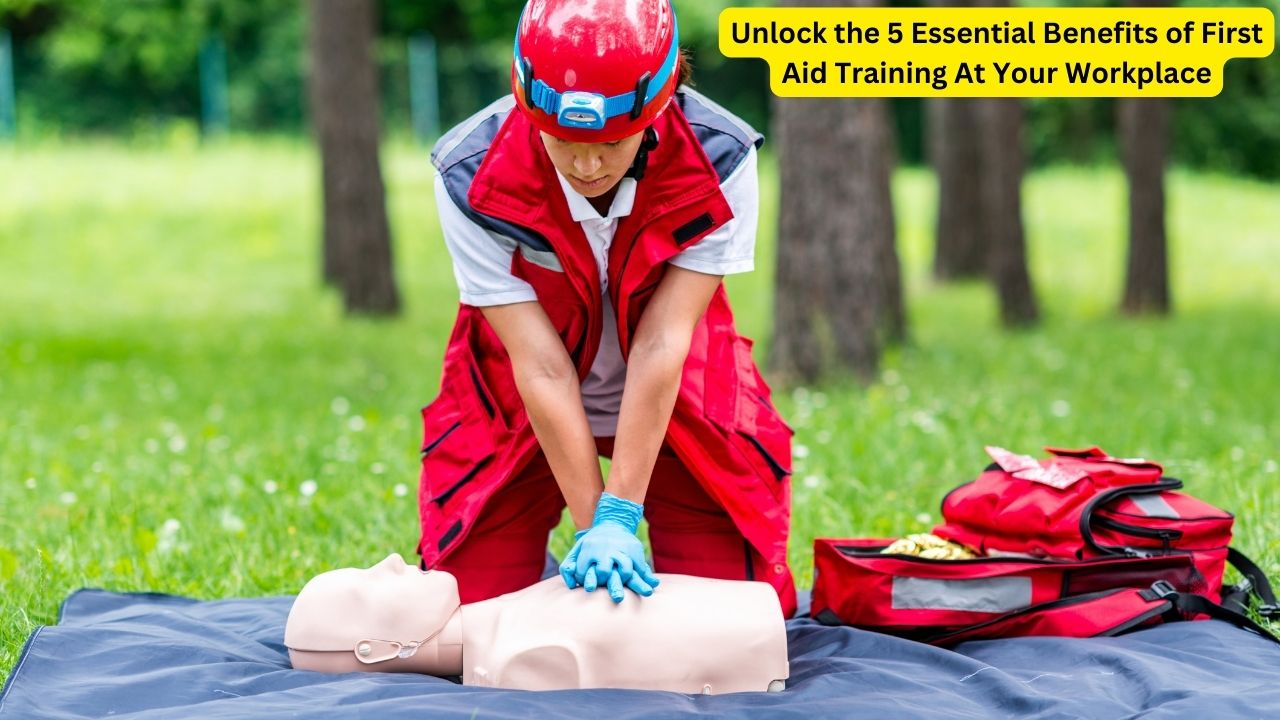
Cardiopulmonary resuscitation (CPR) is a lifesaving technique used when someone’s heart stops beating. It involves chest compressions (pressing on the chest) and giving breaths to keep blood and oxygen moving until emergency services can take over.
If you live in the North Queensland region and need accredited first aid certification, enrol in first aid Townsville today, and make sure you’re ready for any first aid emergency.
How Does CPR Help?
Keeps Blood Flowing: When you perform CPR, you’re providing basic emergency life support. helping to push oxygen-rich blood to vital organs, especially the brain and heart. This is vital because brain cells start to die within minutes without oxygen.
Prevents Brain Damage: Keeping the blood circulating with CPR helps prevent the brain damage that can happen when the brain is starved of oxygen during cardiac arrest.
Aids Breathing: If rescue breaths are part of the CPR, they help maintain oxygen levels in the blood, which supports overall breathing until professional help arrives.
Boosts Survival Chances: Acting quickly with CPR can greatly improve the survival odds for someone in cardiac arrest. The American Heart Association says CPR can double or even triple a person’s chances of making it through.
How To Perform CPR
Here are the basic steps for performing effective CPR:
- First, check the scene for safety and see if the person is responsive.
- If they’re unresponsive and not breathing normally, call emergency services immediately (911 in the US, 000 in Australia).
- Next, position the person on their back on a firm, flat surface.
- Begin chest compressions: Place the heel of one hand on the centre of their chest (lower half of the sternum). Put your other hand on top and interlock your fingers. Make sure you’re directly over their chest with straight arms. Push down hard, at least 2 inches deep. Do this at a rate of 100-120 compressions per minute.
- After 30 compressions, if you’re trained and willing, give 2 rescue breaths: Tilt their head back and lift the chin to open the airway. Pinch their nose shut and seal your mouth over theirs. Blow in for about 1 second to make the chest rise.
- Keep going with the cycle of 30 chest compressions followed by 2 rescue breaths.
- If an Automated External Defibrillator (AED) becomes available, use it as soon as you can.
Make sure that you continue CPR until emergency medical services arrive or the person shows signs of life.
Enrol here at registered training organisation First Aid Pro, for a nationally accredited First Aid Course Townsville.
2. Enhanced Workplace Safety and Reduced Accidents
Creating a Safety-Conscious Culture
First aid training enables employers to cultivate a safer workplace. Employees develop essential first aid skills and knowledge, allowing them to identify and mitigate potential hazards. Taking this proactive stance on safety can result in a substantial decrease in workplace accidents, leading to a safer and more productive work environment.
3. Improved Employee Wellbeing and Morale Promoting Mental Health and Confidence
First aid courses contribute to improved mental health and morale among employees. Knowing how to manage emergencies and offer basic life support boosts confidence and enhances a sense of security. This training highlights an employer’s commitment to staff welfare which positively impacts the workplace atmosphere, boosting that all important employee engagement and improving job satisfaction.
4. Team Building and Enhanced Cooperation
Participating in a first aid course, particularly in a group environment, is a great way to build teamwork. It fosters cooperation, trust, and mutual respect among team members. Employees become adept at working together effectively, especially in emergency situations, reinforcing corporate responsibility and community within the workplace.
5. Compliance with Legal Requirements and Cost Savings
In addition, first aid training ensures businesses comply with legal standards, potentially preventing legal issues and financial losses. Courses like HLTAID011 – Provide First Aid are available through registered training organisations, addressing common workplace accidents and emergency first aid to ensure businesses meet occupational health and safety requirements. This training can also result in cost savings by helping to reduce the severity and even occurrence of workplace accidents and the associated medical and legal expenses.
Summing Up
First aid training is not just a legal requirement; it’s a critical investment in the safety and well-being of your employees. By equipping staff with the skills to respond to emergencies, you can mitigate the severity of injuries, reducing recovery time and associated costs. A well-trained team can make the difference between a minor incident and a major accident, ultimately saving lives.
Moreover, fostering a culture of safety through first aid training improves employee morale and enhances team cohesion. The benefits extend beyond compliance, as trained employees are more confident, engaged, and productive.
Take the proactive step today—enrol your team in nationally accredited quality first aid training and CPR courses with First Aid Pro. Ensure your workplace is prepared for any emergency, and show your commitment to your employees’ health and safety.
Don’t wait for an emergency to happen—be prepared, and make your workplace a safer place for everyone.