How Is Lubricating Oil Manufactured? The Complete Extraction Process
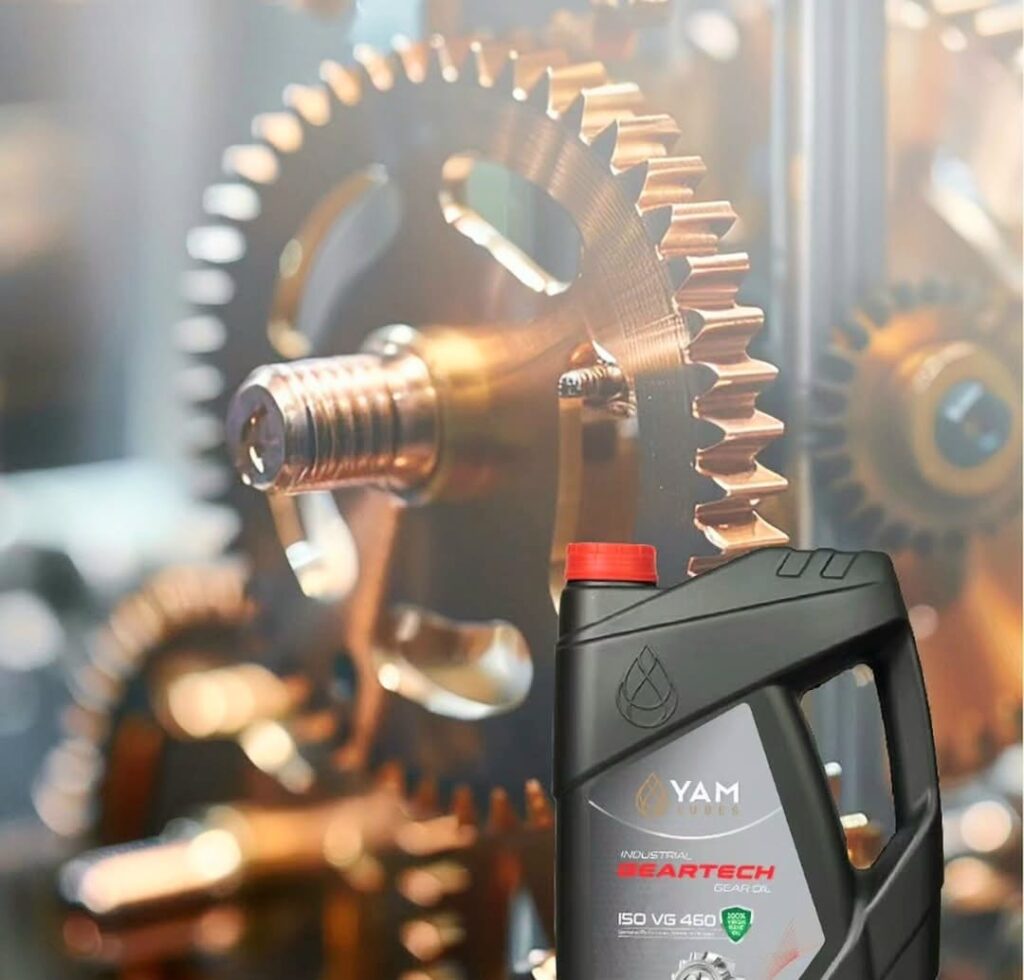
Manufacturing lubricating oil is a fascinating process that plays a crucial role in many industries, from automotive to manufacturing. This oil is essential for reducing friction between moving parts, ensuring that machines and engines run smoothly. In this blog, we will explore how lubricating oil is made, breaking down the complex extraction process into simple steps.
Understanding the Basics
Before diving into the manufacturing process, it’s important to understand what lubricating oil is. It primarily comes from crude oil, which is a thick, black liquid found deep underground. The extraction of lubricating oil involves several steps, each designed to refine crude oil into a high-quality product suitable for various applications.
The Extraction Process
Step 1: Exploration and Drilling
The journey begins with exploration. Companies use advanced technology to locate crude oil deposits beneath the Earth’s surface. Once a site is identified, drilling rigs are set up to extract the crude oil. This initial step is crucial because it determines the quality and quantity of the oil available for processing.
Step 2: Transportation
After extraction, the crude oil must be transported to a refinery. This is typically done through pipelines or tankers. The transportation phase is vital; it ensures that the crude oil arrives safely and efficiently at its destination, ready for refining.
Step 3: Refining
Refining is where the magic happens. At the refinery, crude oil undergoes fractional distillation, a process that separates it into different components based on their boiling points. Lubricating oils are derived from heavier fractions of crude oil that have higher boiling points. This step requires high heat and specialized equipment to ensure that the various fractions are separated effectively.
Step 4: Treatment
Once the lubricating oil fractions are obtained, they undergo treatment to remove impurities and enhance their quality. This can involve filtration, chemical treatments, and additional distillation processes. The goal here is to ensure that the final product meets strict quality standards and performs well in its intended applications.
Refinement Techniques
The refining process includes several techniques:
- Solvent Refining: This method uses solvents to remove unwanted components from the oil, improving its quality. Solvents like phenol or furfural are commonly used in this stage.
- Dewaxing: To improve low-temperature performance, dewaxing removes waxes from the oil. This step ensures that the lubricating oil remains fluid even in cold conditions.
- Hydrofinishing: In this process, hydrogen is used to further purify the oil, enhancing its stability and appearance.
Blending and Additives
After refining, different base oils are blended together to achieve specific properties like viscosity (the thickness of the oil). Additives are also mixed in at this stage to enhance performance characteristics such as oxidation resistance and foam control. Common additives include viscosity index improvers and detergents.
Quality Control
Finally, before packaging, the lubricating oils undergo rigorous quality control tests. These tests check for viscosity, purity, and overall performance to ensure that they meet industry standards. Only after passing these tests can the oils be packaged and sent out for use in various machines and vehicles.
The manufacturing of industrial lube oil is a multi-step process that transforms raw crude oil into a vital product used across numerous industries. From exploration and drilling to refining and blending, each step plays an important role in ensuring that we have high-quality lubricants that keep our engines running smoothly. For quality lubricating oils you may consult yamlubes.com. Understanding this process not only highlights the complexity involved but also emphasizes the importance of lubricating oils in our everyday lives.