The Importance of Preventative Pest Control for Commercial Properties
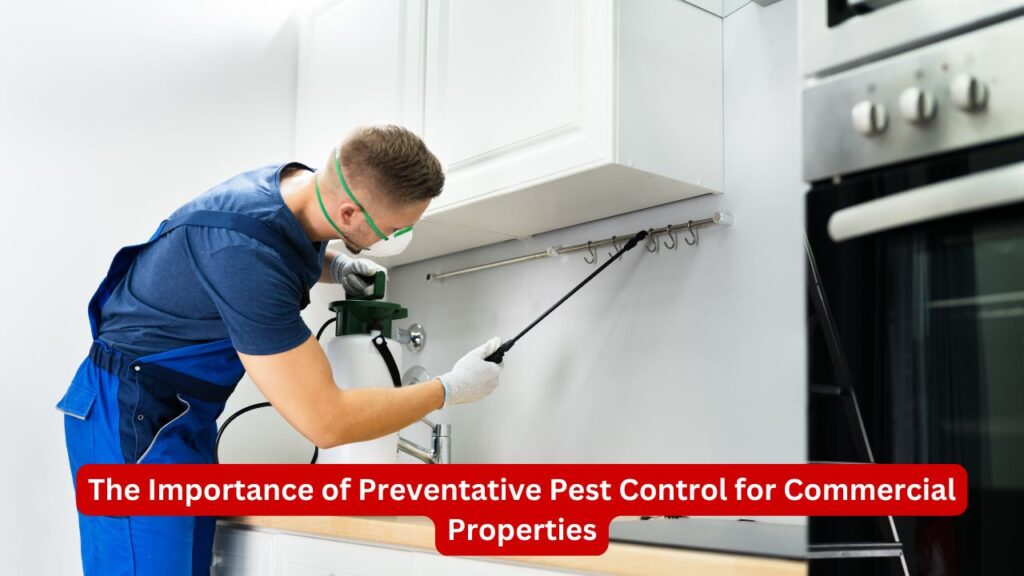
For business owners, maintaining a pest-free environment is essential for ensuring smooth operations and upholding the reputation of the business. Whether it’s an office, a retail store, or a restaurant, pests can cause significant damage and disruptions. Preventative pest control services are crucial in protecting the property from potential infestations and ensuring compliance with industry regulations. Businesses can rely on expert pest control Randolph NJ services to provide long-term protection against pests, helping to maintain a professional and safe environment. Explore the various reasons why preventative pest control is vital for commercial properties.
The Impact of Pest Infestations on a Business’s Reputation
A pest infestation can have a lasting impact on a commercial property’s reputation.
1. Customer Perception
Customers are unlikely to return to a business that appears unsanitary or unkempt due to pest infestations. For instance, the sight of rats or cockroaches in a restaurant or store can lead to negative reviews and lost business, significantly damaging the brand’s reputation.
2. Trust Issues
Pests in a commercial property can lead to a breakdown of trust with clients, suppliers, and customers. If pests are visible or cause disruptions, clients may perceive the business as careless or unprofessional, eroding long-term relationships.
3. Loss of Business and Revenue
Word-of-mouth and online reviews can spread quickly, and a pest problem can turn away potential customers before they even step foot in the door. Businesses may experience significant financial losses due to reduced foot traffic or customers choosing competitors with cleaner, pest-free environments.
Pest Management Regulations for the Food Industry
In the food industry, pest control is not just a best practice; it is a legal requirement. Businesses in this sector must adhere to strict guidelines to maintain food safety.
1. Health Code Compliance
Local and national health codes require food establishments to maintain a pest-free environment to ensure food safety. Restaurants, grocery stores, and food manufacturers must regularly schedule pest control inspections to comply with these regulations and avoid fines or closures.
2. Inspection Standards
Regulatory agencies, such as the FDA and USDA, regularly inspect commercial kitchens and food storage facilities for signs of pests. Failure to pass these inspections due to pest infestations can lead to penalties, temporary shutdowns, or loss of licenses.
3. Documentation of Pest Control Practices
Businesses are often required to maintain records of pest control treatments and inspections. Having detailed documentation demonstrates compliance with food safety standards, which is essential for businesses that want to pass health inspections and maintain customer trust.
How Preventative Pest Control Can Reduce Emergency Treatments
One of the most significant benefits of preventative pest control is the reduction of emergency treatments.
1. Early Detection
Regular pest inspections help identify potential pest problems before they become infestations. By catching issues early, businesses can address them before they require costly and disruptive emergency treatments, saving both time and money.
2. Minimized Damage
Preventative treatments reduce the chances of pest damage to structures, inventory, and equipment. For example, rodents can chew through electrical wires or destroy stored products, leading to expensive repairs and replacements. Businesses in high-risk areas should also consider termite control Fort Lauderdale services to prevent structural damage caused by undetected infestations. Preventing pests from gaining a foothold helps protect a business’s physical assets.
3. Long-Term Savings
Emergency pest control services are typically more expensive than preventative measures. By investing in regular inspections and treatments, businesses can avoid costly, reactive treatments that are often required when infestations have already taken hold.
Strategies for Ongoing Monitoring and Maintenance in Commercial Settings
For effective long-term pest control, businesses must implement ongoing monitoring and maintenance strategies. Here are some critical actions:
1. Regular Inspections and Audits
Regular, scheduled pest inspections are essential to identify potential threats and maintain a pest-free environment. Audits should be conducted quarterly or biannually to check for signs of infestation in common problem areas such as kitchens, storage rooms, and basements.
2. Employee Training
Employees should be trained to recognize the signs of pest activity and to take immediate action if they observe any issues. Providing regular education on pest prevention can help staff contribute to keeping the workplace pest-free.
3. Use of Pest-Repelling Technology
Businesses can invest in advanced technology, such as ultrasonic pest repellers or motion-detecting traps, to monitor and control pests in real-time. These systems offer continuous monitoring and can alert business owners or pest control providers when pest activity is detected.
Conclusion
Preventative pest control is an essential aspect of maintaining a commercial property’s cleanliness, reputation, and legal compliance. Investing in professional Randolph pest control services can help avoid the disruptions and damages caused by infestations. From safeguarding the brand’s reputation to ensuring compliance with legal standards in the food industry, taking a proactive approach to pest control provides long-term benefits. By implementing regular inspections, employee training, and pest-repelling technologies, businesses can ensure a pest-free environment that promotes growth and success while minimizing the need for costly emergency treatments.