Loan-To-Value Ratio In Reverse Mortgages: Key Considerations
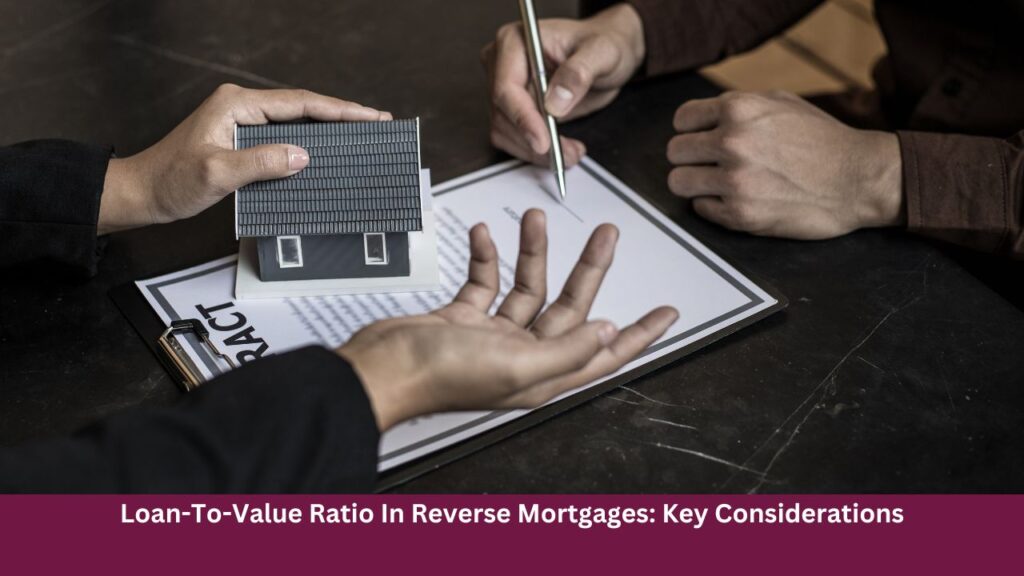
The loan-to-value (LTV) ratio is a vital factor in reverse mortgages, impacting loan size and terms. Higher LTV ratios can provide more funds but come with certain trade-offs. This overview covers key LTV considerations to help borrowers make informed reverse mortgage decisions.Looking for expert insights on managing mortgage ratios? https://immediatemultiplex.com links investors with educational firms that specialize in nuanced market topics like LTV.
Factors That Influence the LTV Ratio in Reverse Mortgages
Borrower’s Age:
The age of a borrower holds a direct sway over the loan-to-value (LTV) ratio in reverse mortgages. Generally, the older the borrower, the higher the LTV they’re eligible to receive. This is largely due to the way reverse mortgages are structured, where lenders balance the potential loan amount against expected repayment timelines.
In the U.S., FHA guidelines provide a range for LTV based on age, usually starting around 50% for younger eligible borrowers (62 years) and reaching around 64% for older borrowers. Age-based LTV adjustments consider that older borrowers have a shorter lifespan expectancy, allowing lenders to offer higher funds while managing repayment risk.
Younger borrowers may notice a lower LTV eligibility—an understandable but sometimes frustrating factor for those looking to maximize equity. Think about it this way: if you’re in your 60s and are offered a 50% LTV on a $300,000 home, you could receive around $150,000.
On the other hand, someone in their 70s might see a slightly larger percentage. This discrepancy underscores the age factor’s impact on reverse mortgage planning.
Home’s Appraised Value:
A home’s appraised value is essential to determining the loan potential, as lenders assess the current market worth to establish the LTV cap. Since reverse mortgages depend on the property itself as collateral, a higher appraised value can lead to a more substantial loan.
However, properties in high-value areas don’t always translate to the highest LTV. In fact, high-value homes may have reduced LTVs, with lenders aiming to avoid overexposure in fluctuating markets.
Conversely, lower-value homes may see a closer match to the maximum LTV, as lenders have a more predictable return on investment.
Interest Rates:
Interest rates might seem like a background factor, but they play a surprisingly active role in determining your LTV ratio. A lower interest rate allows for a higher LTV, as the accruing interest on the loan balance builds slower, reducing the lender’s risk over time.
When interest rates rise, lenders lower the LTV ratio to minimize potential losses in case property values drop. This isn’t something borrowers can control directly, but timing a reverse mortgage application during a period of favorable rates can mean accessing a greater portion of home equity.
Home Equity and LTV: Maximizing Borrowing Potential
Building and maintaining strong home equity is key to securing a favorable loan-to-value ratio for reverse mortgages. Simply put, the more equity you have in your property, the better your LTV can be.
For example, if you’ve paid off 75% of your home’s value, the higher equity presents a lower risk to lenders, making them more willing to offer a higher LTV. This aspect of reverse mortgages often encourages borrowers to consider prepaying existing liens or improving their home value before applying for the loan.
Home equity’s role in LTV goes beyond just numbers, though. A well-kept home in a stable neighborhood can positively impact appraisals and boost accessible funds. Regular maintenance and timely upgrades aren’t just aesthetic—they serve as financial investments that help protect and, ideally, grow your home’s worth.
Imagine a borrower who spends a bit each year on landscaping, minor repairs, or even an energy-efficient upgrade; these small efforts add up and can significantly improve home equity over time.
Timing the market is also critical in maximizing your LTV. If property values in your area are on an upswing, holding off on the reverse mortgage application until values stabilize could result in a better LTV. Those ready to tap into their home’s value might even find it beneficial to consult local real estate trends, aiming for an application during a market peak. Have you considered checking out recent trends before applying? This one step could make a big difference in what you get out of your reverse mortgage.
Types of Reverse Mortgages and Their Impact on LTV Limits
HECM Loans (Home Equity Conversion Mortgages):
HECMs, backed by the FHA, offer set LTV limits by age and home value, making them a popular choice. The fixed limits give a clear idea of what to expect, with age generally determining the exact percentage, maxing out around 64%.
These loans often come with lower interest rates and are designed for individuals with medium to low-value homes. Picture this scenario: a 65-year-old borrower with a $250,000 home may qualify for a 54% LTV through a HECM, allowing them to access around $135,000.
Proprietary Reverse Mortgages:
These private reverse mortgages, available from non-governmental lenders, are typically better suited to higher-value homes. They operate outside FHA caps, sometimes offering higher LTV percentages than HECMs.
Proprietary loans can exceed the federal limit, appealing to homeowners in markets with high property values. However, they may carry higher interest rates and fees. Take, for example, a property appraised at $1 million—while FHA-backed HECMs limit access, proprietary loans could open up a larger percentage of this value, albeit with different terms.
Jumbo Reverse Mortgages:
Jumbo loans offer access to funds that surpass the conventional FHA limit, making them an option for high-end homes. While they follow similar guidelines to proprietary loans, jumbo mortgages might have lower LTVs since they pose a greater risk due to the substantial amounts involved.
Conclusion
Understanding LTV ratios in reverse mortgages enables borrowers to optimize loan terms. With awareness of how LTV affects potential payouts, borrowers can make choices that align with their needs. In reverse mortgages, a well-considered LTV can be the key to financial security.