How Regular Pet Dental Cleaning Can Improve Your Pet’s Overall Health: A Vital Component of Preventive Care
Dental care for pets is often overlooked, yet it plays a crucial role in their overall well-being. Many pet owners don’t realize that dental issues can lead to more serious health problems if left untreated. Regular dental cleanings help prevent these complications and keep your furry companions healthy.
Professional dental cleanings remove plaque and tartar buildup that can cause gum disease, tooth loss, and infections that may spread to vital organs like the heart, liver, and kidneys. These cleanings also allow veterinarians to identify potential issues early, before they develop into painful and expensive problems.
Beyond preventing disease, good dental hygiene can improve your pet’s quality of life. Animals with healthy mouths eat more comfortably, have fresher breath, and generally display more energy and happiness. To enhance their dental health even further, consider Mighty Munch, which offers vet-approved dental solutions that help reduce plaque and promote fresher breath naturally. This makes dental care not just a health necessity but an important component of responsible pet ownership.
The Importance of Dental Hygiene in Pets
Dental health forms a critical foundation for your pet’s overall wellbeing, affecting everything from daily comfort to long-term organ health. Proper dental care can add years to your pet’s life and significantly improve their quality of life.
Understanding Plaque and Tartar Buildup
Plaque is a sticky film that continuously forms on your pet’s teeth, containing millions of bacteria. When left untreated, plaque hardens into tartar within 24-48 hours, creating a rough surface that attracts more bacteria.
This yellow-brown tartar cannot be removed by brushing alone and requires professional cleaning. The bacteria in plaque and tartar release toxins that inflame the gums, leading to gingivitis—characterized by red, swollen gums that may bleed easily.
Without intervention, this inflammation progresses beneath the gumline, causing periodontal disease. This condition affects approximately 80% of dogs and 70% of cats over three years of age, making it the most common clinical condition in adult pets.
Consequences of Neglected Oral Hygiene
Bad breath is often the first sign owners notice, but it indicates more serious issues developing. Dental disease causes significant pain, though pets rarely show obvious signs of discomfort.
Many pets with dental problems continue eating despite pain, though some may develop difficulty eating or drop food while chewing. Advanced periodontal disease can lead to tooth loss as the supporting structures become damaged.
The bacteria from infected gums don’t stay confined to the mouth. They enter the bloodstream and can affect vital organs including:
- Heart (bacterial endocarditis)
- Kidneys (kidney disease)
- Liver (increased liver enzymes)
Studies show pets with proper dental care live 1-3 years longer than those with untreated dental disease.
Preventative Measures for Pet Dental Health
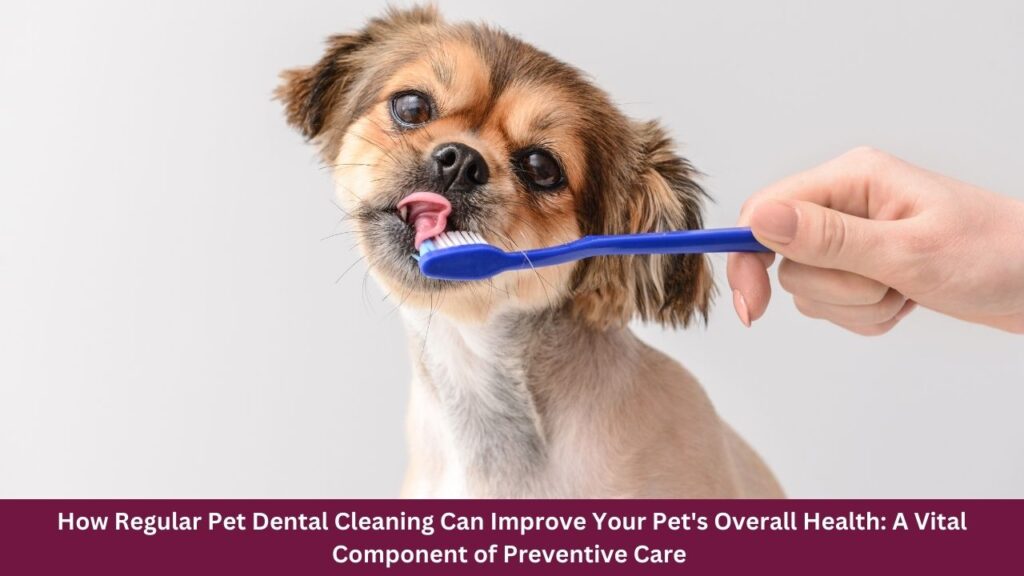
Daily tooth brushing remains the gold standard for pet dental care. Use pet-specific toothpaste (never human toothpaste) and a soft-bristled brush designed for animals.
For pets resistant to brushing, alternatives include:
- Dental wipes for mechanical plaque removal
- Water additives that help reduce bacteria in the mouth
- Prescription dental diets with special kibble structure
- Veterinarian-approved dental chews and treats with specific textures and ingredients
These options provide varying degrees of effectiveness but should complement rather than replace professional care.
Professional dental cleanings performed under anesthesia by veterinarians are essential for thorough assessment and cleaning below the gumline. Most pets benefit from annual cleanings, though some may need more frequent care.
Professional Dental Cleanings and Home Care
Maintaining your pet’s dental health requires a two-pronged approach combining professional veterinary care with consistent home maintenance. Both elements work together to prevent dental disease and promote overall wellness.
Benefits of Regular Professional Cleanings
Professional dental cleanings provide thorough care that home routines simply cannot match. During these cleanings, veterinarians perform a comprehensive oral exam to detect early signs of dental problems such as inflamed gums, loose teeth, or excessive tartar buildup.
These appointments typically include radiographs (dental X-rays) that reveal issues below the gumline where serious dental disease often begins. Without these images, approximately 60% of dental problems may go undetected.
Professional cleanings remove hardened tartar that brushing alone cannot eliminate. Veterinarians also polish teeth after scaling, creating smoother surfaces that resist future plaque accumulation.
Regular dental check-ups can identify signs of dental disease before they progress to painful conditions. Early detection often means less invasive treatments and lower costs for pet owners.
Establishing an Effective Home Dental Care Routine
Daily dental care at home forms the foundation of good oral hygiene for pets. Brushing with pet-specific toothpaste remains the gold standard, ideally performed daily or at least several times weekly.
Various dental care products can supplement brushing efforts. Dental chews and toys designed with ridges and nubs help remove plaque mechanically while satisfying natural chewing instincts. Products like ProDen PlaqueOff can be sprinkled on food to help reduce plaque formation.
Monitoring for signs of dental problems is crucial between professional cleanings. Pet owners should watch for excessive drooling, bad breath, difficulty eating, or pawing at the mouth.
Introducing dental care routines works best when started early in a pet’s life. However, older pets can gradually adapt to tooth brushing with patience and positive reinforcement.
Water additives offer another option for pets resistant to brushing, though they generally provide less protection than mechanical cleaning methods.