Underwater Welding School: Certification Renewal Guide
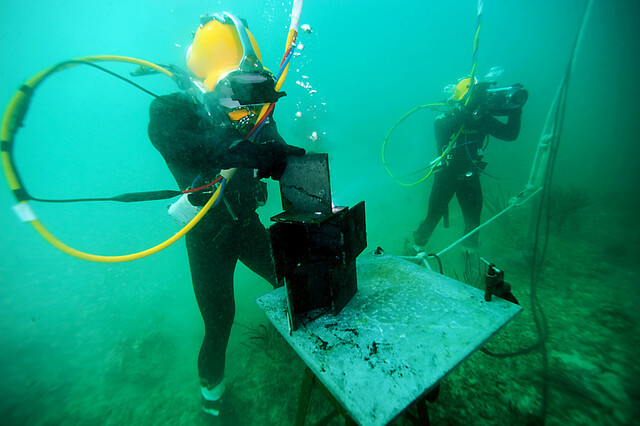
Underwater welding is one of the most specialized and rewarding careers in the commercial diving industry. However, to remain active in the field, divers must ensure their certifications are up to date. Certification renewal is crucial to maintaining industry compliance, ensuring safety, and staying employable. This guide will walk you through the process of renewing your underwater welding certification, outlining requirements, timelines, and best practices.
Understanding Underwater Welding Certification
To practice as an underwater welder, you must first attend an underwater welding school and obtain a commercial diving certification. Training programs are accredited by organizations such as the Diver Certification Board of Canada (DCBC), the Association of Diving Contractors International (ADCI), and the American Welding Society (AWS).
After receiving initial certification, divers must periodically renew their credentials to maintain compliance with industry standards. This ensures that welders remain proficient in both diving and welding techniques, as well as current with evolving safety protocols.
Why Certification Renewal Is Important
Certification renewal is not just a formality—it serves several critical purposes:
- Safety Compliance: Ensures that all divers are up to date on safety regulations and best practices to minimize risks.
- Legal Requirements: Many employers require updated certifications for insurance and liability purposes.
- Employment Opportunities: Without renewal, welders may face difficulty securing work.
- Skill Maintenance: Regular training helps professionals refine their skills and adapt to industry advancements.
How Often Do You Need to Renew Your Certification?
Certification renewal periods vary depending on the issuing organization and the type of certification. Below are the general guidelines for renewal:
- AWS Underwater Welding Certification: Must be renewed every six months.
- DCBC Certification: Typically renewed every three years.
- ADCI Commercial Diver Certification: Requires renewal every five years.
- Occupational Safety and Health Administration (OSHA) Certifications: May require periodic refresher courses.
It’s important to check with your underwater welding school and the certifying body to ensure you meet the renewal deadlines.
Steps to Renew Your Underwater Welding Certification
1. Review Certification Expiration Date
The first step is to determine when your certification expires. Most governing bodies provide renewal reminders, but it’s essential to track expiration dates yourself to avoid any lapse.
2. Complete Required Continuing Education
Many certification bodies require proof of continuing education or refresher courses. These may include:
- Updated dive physics and physiology training.
- New welding techniques and safety protocols.
- Practical assessments in controlled environments.
3. Provide Dive Logs and Work Experience
Most certifying agencies require documented proof of recent commercial diving and welding experience. Divers must log their hours and keep records of their projects, employer verification, and job details.
4. Pass Medical and Fitness Examinations
Due to the physically demanding nature of underwater welding, divers must pass a medical evaluation before renewing their certification. A diving medical examiner will assess:
- Respiratory health
- Cardiovascular fitness
- Ear, nose, and throat function
- Overall physical stamina
5. Submit Renewal Application and Fees
Each certifying body has an application process, typically involving:
- A completed renewal application
- Submission of required documents (dive logs, medical reports, etc.)
- Payment of renewal fees, which vary by organization
What Happens If Your Certification Expires?
If your underwater welding certification expires, you may be required to undergo additional training or retesting before being allowed to work again. Some organizations offer grace periods, while others require a full re-certification. To avoid complications, keep track of renewal deadlines and complete requirements in advance.
Tips for Maintaining Active Certification
- Stay Organized: Keep digital and hard copies of your certifications, dive logs, and training records.
- Plan Ahead: Schedule your renewal process at least three months before your expiration date.
- Take Refresher Courses: Continuous learning helps improve skills and ensures compliance.
- Network with Industry Professionals: Staying connected with fellow underwater welders and instructors at your underwater welding school can help you stay informed about industry changes.
- Monitor Regulation Changes: Certification requirements may evolve, so keeping up to date with regulatory bodies is essential.
Conclusion
Renewing your underwater welding certification is essential for career longevity, safety, and compliance with industry standards. By understanding the renewal process, tracking deadlines, and preparing necessary documentation, you can maintain your credentials and continue advancing in this exciting field. Whether you’re a seasoned professional or just beginning your journey through an underwater welding school, staying proactive in your certification renewal ensures long-term success in commercial diving and welding.