How Digital Supply Chains Are Transforming Industries
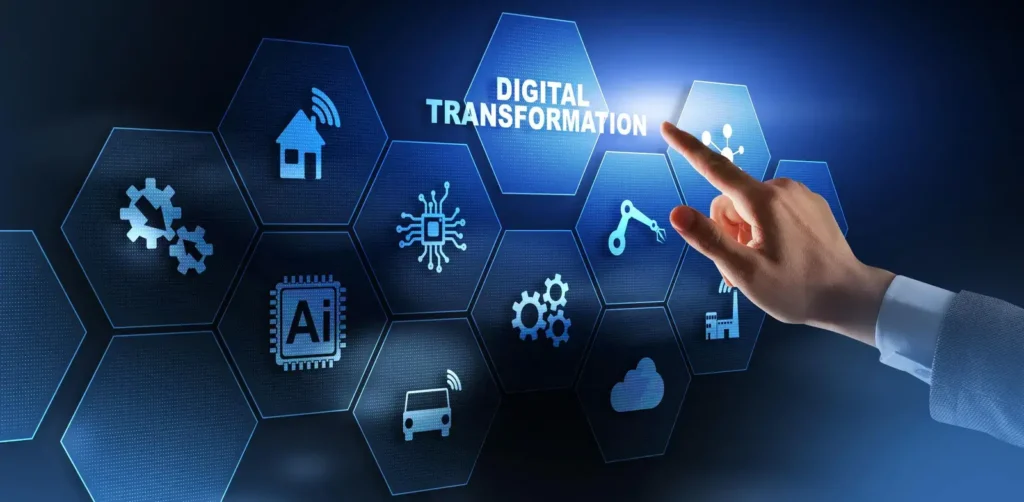
In today’s fast-paced global market, businesses are rapidly adopting digital supply chains to improve efficiency, streamline processes, and enhance customer satisfaction. By leveraging advanced technologies such as artificial intelligence (AI), machine learning (ML), the Internet of Things (IoT), and blockchain, companies can gain better visibility, control, and optimization of their supply chains. This transformation is reshaping industries, allowing businesses to stay competitive in an increasingly digital world.
What Is a Digital Supply Chain?
A digital supply chain integrates digital technologies into traditional supply chain processes. Unlike conventional supply chains that rely heavily on manual processes and outdated systems, digital supply chains use data-driven insights and automation to improve decision-making, reduce costs, and enhance operational efficiency.
A robust digital supply chain leverages technologies like:
- Artificial Intelligence (AI): For predictive analytics and forecasting.
- Internet of Things (IoT): For real-time tracking and monitoring.
- Blockchain: For secure and transparent transactions.
- Cloud Computing: For centralized data access and collaboration.
Key Benefits of Digital Supply Chains
Adopting a digital supply chain offers numerous advantages that revolutionize industry practices. These include:
1. Enhanced Visibility and Tracking
Real-time tracking using IoT devices provides businesses with improved visibility over their entire supply chain. Companies can monitor shipments, warehouse conditions, and inventory levels, ensuring accurate tracking and minimizing delays.
2. Improved Efficiency
Automation tools streamline processes like inventory management, order fulfillment, and warehouse operations. By automating repetitive tasks, businesses reduce human errors and increase overall productivity.
3. Cost Reduction
By utilizing AI-driven demand forecasting, businesses can predict inventory needs more accurately, minimizing overstocking or stockouts. This precision leads to reduced storage costs and improved cash flow management.
4. Better Risk Management
Digital supply chains enable businesses to respond proactively to disruptions. Predictive analytics tools analyze historical data to identify potential risks, enabling companies to develop mitigation strategies in advance.
5. Enhanced Collaboration
Cloud-based platforms improve communication between suppliers, manufacturers, and retailers, ensuring all stakeholders have real-time access to critical information. This improved collaboration reduces delays and accelerates decision-making.
Industries Impacted by Digital Supply Chains
The transformation brought about by digital supply chains is evident across multiple industries. Here are some key sectors experiencing significant change:
1. Manufacturing
In manufacturing, digital supply chains enhance production planning, inventory control, and predictive maintenance. IoT-enabled sensors provide real-time data on machine performance, helping businesses minimize downtime and improve equipment longevity.
2. Retail and E-Commerce
Retailers use digital supply chains to manage inventory, personalize customer experiences, and ensure faster delivery. AI-driven demand forecasting allows businesses to predict sales trends, ensuring shelves are stocked with the right products.
3. Healthcare
In the healthcare sector, digital supply chains ensure medical equipment, pharmaceuticals, and critical supplies are delivered on time. Real-time tracking minimizes waste, ensures product integrity, and supports better patient care.
4. Logistics and Transportation
Digital supply chains improve fleet management, route optimization, and shipment tracking. GPS-enabled devices allow companies to monitor vehicles in real-time, ensuring faster deliveries and better resource utilization.
5. Automotive
The automotive industry leverages digital supply chains to manage complex global sourcing networks. Enhanced visibility enables manufacturers to monitor the status of parts and predict supply chain disruptions before they occur.
6. Food and Beverage
Digital supply chains in the food industry enable improved inventory tracking, temperature monitoring, and waste reduction. These capabilities are essential for ensuring food safety and minimizing product spoilage.
Technologies Powering the Digital Supply Chain
The success of a digital supply chain relies on powerful technologies that deliver enhanced insights and automation. Key technologies driving this transformation include:
1. Artificial Intelligence (AI) and Machine Learning (ML)
AI and ML are vital for demand forecasting, supply chain planning, and predictive analytics. These technologies analyze historical data, identify trends, and suggest optimal inventory strategies.
2. Internet of Things (IoT)
IoT devices enable real-time monitoring of equipment, inventory, and transportation systems. Sensors provide detailed data on environmental conditions, ensuring goods are stored and delivered properly.
3. Blockchain
Blockchain technology enhances supply chain security by creating a transparent and immutable record of transactions. It helps reduce fraud, improve traceability, and ensure data integrity.
4. Robotics and Automation
Warehouse automation systems improve picking, packing, and shipping processes. Automated guided vehicles (AGVs) and robotic arms accelerate warehouse operations while minimizing errors.
5. Cloud Computing
Cloud platforms centralize supply chain data, allowing businesses to access information from any location. This improved accessibility streamlines collaboration across departments and with external partners.
Challenges in Digital Supply Chain Transformation
While digital supply chains offer significant advantages, businesses must address several challenges during implementation:
- Data Integration: Legacy systems may struggle to integrate with newer digital platforms.
- Cybersecurity Risks: Digital supply chains require robust security protocols to protect sensitive data.
- Change Management: Employees must be trained to adopt new technologies effectively.
- Investment Costs: Initial investment in digital technologies can be substantial, although the long-term benefits outweigh these costs.
Future Trends in Digital Supply Chains
The evolution of digital supply chains is ongoing, with several emerging trends shaping the future of supply chain management:
1. AI-Driven Predictive Analytics
AI systems are advancing to predict consumer trends, identify market shifts, and optimize inventory levels with even greater accuracy.
2. 5G Connectivity
The rollout of 5G networks will improve data transmission speeds, enabling real-time updates, improved tracking, and enhanced automation.
3. Sustainability and Green Supply Chains
Digital supply chains are helping businesses reduce their carbon footprint by improving route efficiency, minimizing waste, and enabling sustainable sourcing practices.
4. Augmented Reality (AR) and Virtual Reality (VR)
AR and VR tools are being integrated into warehouse operations, providing improved navigation for workers and enhancing product visualization for customers.
Conclusion
The adoption of digital supply chains is transforming industries worldwide. By leveraging advanced technologies like AI, IoT, and blockchain, businesses can improve efficiency, reduce costs, and enhance customer satisfaction. Companies that invest in digital supply chain strategies position themselves for growth, improved risk management, and a competitive edge in their respective industries. As digital transformation continues to evolve, businesses that embrace these changes will stay ahead in an increasingly interconnected global market.