How to Grow Herbs Indoors: A Complete Guide

A small green sprout, fragile yet determined, pushes its way through the soil. It doesn’t know the world beyond its pot, beyond the warm glow of the window or the careful hands that water it. But it grows anyway, stretching toward the light, trusting that the sun will always rise.
Growing herbs indoors should never be just about convenience. It should be about flavor, freshness, and bringing a little of the outside world into the heart of a home! A bit of patience and attention go a long way. Treat your herbs well, and they’ll reward you with vibrant growth and rich aromas, making every meal feel fresher. And this guide is here to help you every step of the way.
Choosing the Right Herbs
Not all herbs are cut out for indoor life. Some demand too much sunlight, while others adapt effortlessly. Start with herbs that match your home’s light and climate conditions, but also consider what you’ll actually use in the kitchen.
Here are four foolproof choices:
- Basil – Loves warmth and sunlight. Keep it by a sunny window and pinch the leaves often for a fuller plant.
- Parsley – Thrives in moderate light and keeps dishes looking and tasting fresh.
- Mint – Hardy and fast-growing, but a little unruly, keep it in its own pot unless you want a takeover.
- Chives – Low-maintenance, bright-light lovers that bounce back quickly after harvesting.
By choosing herbs suited to indoor life, you’ll set yourself up for an easy and rewarding growing experience.
The Best Herbs for Indoor Growing
Herbs also have personalities, some are neat and compact, while others like to take over. Basil benefits from regular pruning to stay bushy, while mint is the wild child, spreading fast unless confined to its own pot. Hardy, low-maintenance, and packed with flavor, these herbs are perfect for container gardening:
- Thyme – Loves sunlight and dry soil, making it almost effortless to maintain.
- Oregano – A robust, drought-tolerant herb that gets more flavorful with time.
- Rosemary – Woody and aromatic, it prefers bright light and infrequent watering.
Knowing these habits helps you keep your indoor herb garden tidy and thriving, and if you want to take your herb-growing skills to the next level, consider exploring expert farming techniques that ensure healthier plants and better yields
Setting Up Your Indoor Herb Garden
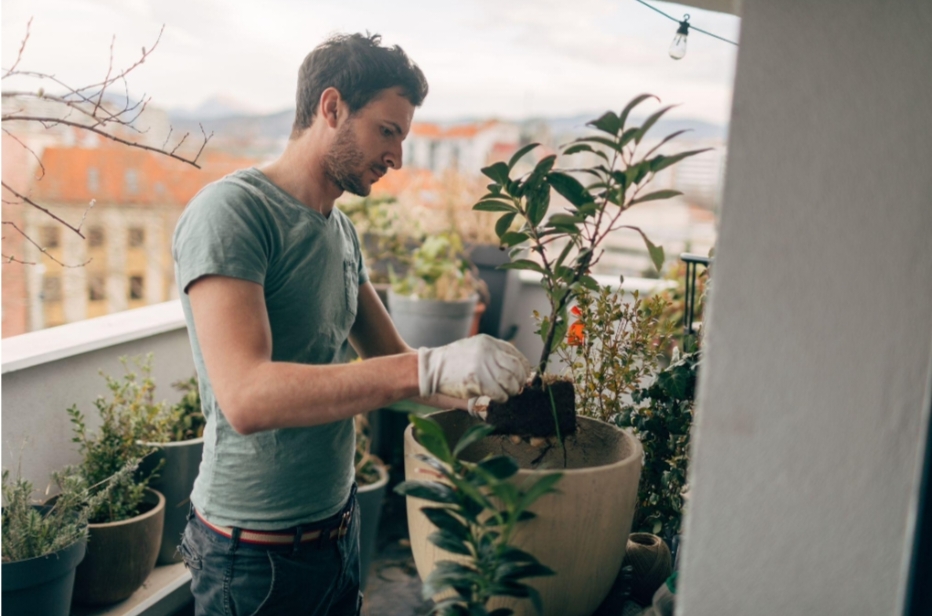
A thriving indoor herb garden isn’t just about picking the right plants, it’s about creating the perfect environment. Light, temperature, soil, and water all play a role in keeping your herbs happy and productive.
Find the Perfect Spot
Place herbs near a bright, south-facing window or use grow lights if needed. Keep temperatures between 18°C and 24°C, and if the air is dry, add a small humidifier or a tray of water nearby.
Pick the Right Pots
Use containers with drainage holes to prevent soggy roots. Terracotta pots improve air circulation, while larger pots suit basil and mint, and smaller ones work for chives and parsley.
Use the Right Soil & Water
A well-draining potting mix with perlite and compost works best. Fertilise lightly every four to six weeks to maintain flavor. Water only when the top inch of soil feels dry, and always let excess water drain out.
By fine-tuning these elements, you’ll create an indoor herb garden that not only survives, but thrives.
Troubleshooting Common Herb Problems
Even with the best care, indoor herbs can sometimes run into trouble. Identifying problems early and taking corrective action can prevent your plants from withering. Here’s a quick guide to common herb issues and how to fix them:
1. Yellowing Leaves:
If your herbs develop yellow leaves, it’s often a sign of overwatering. Herbs like basil and thyme prefer well-draining soil and don’t thrive in constantly soggy conditions. Make sure your pots have drainage holes and allow excess water to drain freely. Let the soil dry out slightly between watering sessions.
2. Wilting Plants:
Wilting can be caused by underwatering or, surprisingly, overwatering. If the soil feels dry, give your herbs a thorough soak. If the soil is damp but your plant still looks droopy, the roots may be suffocating due to excess moisture.
3. Leggy Growth:
Herbs that look tall and spindly may not be getting enough light. Leggy growth is a sign that your plants are stretching to reach the light. Move them to a brighter spot or supplement with grow lights. Pinching back the stems can also encourage bushier, more compact growth.
4. Pests and Diseases:
Aphids, spider mites, and whiteflies are common pests that target indoor herbs. If you notice small insects on the leaves or webbing between stems, act quickly. Treat affected plants with neem oil or insecticidal soap. For fungal issues, improve air circulation and avoid overwatering to reduce humidity around the plants.
Addressing these issues early will help maintain a thriving herb garden and ensure you continue to enjoy fresh herbs throughout the year.
Keeping Your Herbs Thriving Year-Round
Harvesting herbs is the key to keeping your plants healthy and productive. Snipping leaves regularly encourages bushier growth, so don’t be shy. For the best taste, harvest in the morning, when essential oils are at their peak. Just clip above a leaf node, and your herbs will keep growing back stronger.
A little maintenance goes a long way. Keep an eye out for pests like aphids and spider mites, tiny but troublesome. If they show up, treat your plants with neem oil or insecticidal soap, following the instructions carefully.
Herbs change with the seasons, even indoors. In winter, growth slows down due to lower light levels, so consider adding grow lights if needed. Water sparingly during colder months. In warmer weather, herbs grow faster and may need more frequent watering and fertilisation. Adjust your care routine as the seasons shift, and your indoor herb garden will stay lush year-round.
For expert insights and techniques, read more about Nick Karagiannis’s guide to How to Start an indoor Balcony Garden.
Bringing Fresh Flavors Home
Growing herbs indoors is a simple way to add freshness to your cooking and a touch of nature to your home. With the right herbs, a little care, and the right setup, you’ll have a steady supply of homegrown flavors all year long.
A bit of patience and attention go a long way. Treat your herbs well, and they’ll reward you with vibrant growth and rich aromas, making every meal feel fresher as promised. Whether you’re snipping basil for pasta or plucking mint for tea, your indoor herb garden brings a little extra life to your kitchen.
Creative Ways to Use Fresh Herbs
Once your herbs are flourishing, it’s time to enjoy the fruits of your labor. Fresh herbs can elevate everyday dishes and even add a twist to unexpected recipes. Here are some creative ideas to make the most of your homegrown herbs:
1. Infused Oils and Vinegars:
Create custom herb-infused oils and vinegars by adding sprigs of rosemary, thyme, or basil to a bottle of olive oil or vinegar. Let the flavors infuse for a week, and you’ll have a flavorful addition for salad dressings or marinades.
2. Herb-Infused Butter:
Blend chopped herbs like chives, parsley, or dill into softened butter. Roll the mixture into a log, wrap it in parchment paper, and refrigerate. Use the herb butter to enhance grilled meats, roasted vegetables, or freshly baked bread.
3. Herbal Teas and Tinctures:
Fresh mint, chamomile, and lemon balm can be steeped in hot water to create soothing herbal teas. You can also make tinctures with herbs like basil or thyme by steeping them in alcohol, creating concentrated extracts for culinary and medicinal purposes.
4. DIY Herb Salt:
Mix dried herbs with coarse sea salt to create a flavorful seasoning blend. Basil, oregano, and rosemary make great combinations that can be sprinkled on roasted vegetables, grilled meats, or pasta dishes.
5. Herb Ice Cubes:
Freeze chopped herbs in ice cube trays filled with olive oil or water. These herb cubes can be added directly to soups, stews, or sauces for an instant flavor boost.
Experimenting with different uses for your herbs ensures that nothing goes to waste and adds variety to your kitchen creations.