How the Seasons Affect Dog Waste Cleanup: A Year-Round Strategy Guide
Introduction
Cleaning up after your dog may seem like a simple, year-round responsibility—but not all months are created equal. Each season brings its own set of challenges when it comes to managing pet waste. From melting snow to scorching summer heat, the changing environment affects not just the frequency of cleanups, but also the health and condition of your yard.
Whether you’re a homeowner with one dog or a property manager overseeing a dog-friendly complex, understanding how seasonal shifts impact pet waste removal can help you create a smart, consistent strategy all year long.
In this article, we’ll break down what to expect each season and how to adjust your pooper scooper service accordingly for cleaner, safer, and more manageable outdoor spaces.
Spring: The Great Thaw and Fresh Start
Why Spring Cleanup Is Crucial
As the snow melts, what’s left behind can be unpleasant. Winter often leads to waste accumulation beneath frozen ground and snowbanks. Spring reveals the buildup—sometimes weeks or months’ worth—along with lingering odors and lawn damage.
Challenges in spring:
- Accumulated waste becomes visible
- Soggy soil makes waste harder to remove
- Rising temps amplify odor
- More foot traffic from kids and pets increases urgency
Spring strategy:
- Schedule a one-time deep yard cleaning at the start of the season
- Switch to weekly pooper scooper service to prevent rapid buildup
- Inspect lawn for damage caused by prolonged exposure to pet waste
- Aerate and reseed problem areas where grass has yellowed or thinned
Spring sets the tone for the year. A proactive approach now can restore your yard’s health and help keep pests and smells at bay.
Summer: Odors, Heat, and High Traffic
When Cleanups Need to Keep Up With Activity
Summer is prime time for backyard fun—but it’s also the worst season for odor and bacteria growth. Higher temperatures cause pet waste to decompose more quickly, increasing the release of ammonia and other foul-smelling gases. It also becomes a breeding ground for flies and parasites.
Challenges in summer:
- Stronger odors from faster decomposition
- Increased fly activity
- More guests, events, and children playing outside
- Dogs may use the yard more frequently due to longer daylight
Summer strategy:
- Increase cleanup frequency to twice weekly if possible
- Use lime or odor-neutralizing sprays as needed (especially after rain)
- Empty outdoor trash bins more often to prevent smell buildup
- Make sure shaded areas where pets rest are free from waste
Many households rely on a pooper scooper to maintain regular service during vacation periods or when hosting backyard gatherings.
Fall: Transition and Preparation
Resetting the Routine Before Winter Hits
Fall is a great time to reset routines before colder weather sets in. Leaves may start to cover the ground, making waste harder to spot, while cooler temperatures can lull pet owners into relaxing their cleanup habits. But neglect now will only create problems come winter and spring.
Challenges in fall:
- Leaves obscure dog waste
- Busy school and holiday schedules cause distraction
- Late-fall waste gets trapped under snow if not removed
Fall strategy:
- Maintain weekly pet waste removal until the first frost
- Rake leaves regularly to keep the ground visible
- Clear high-traffic paths and near-door zones more often
- Schedule one final pre-winter yard cleaning before the freeze
Doodie Free advises not to underestimate the importance of fall cleanup. What gets ignored in November could become a much bigger issue by March.
Winter: Cold, Snow, and Hidden Messes
Out of Sight Is Not Out of the Yard
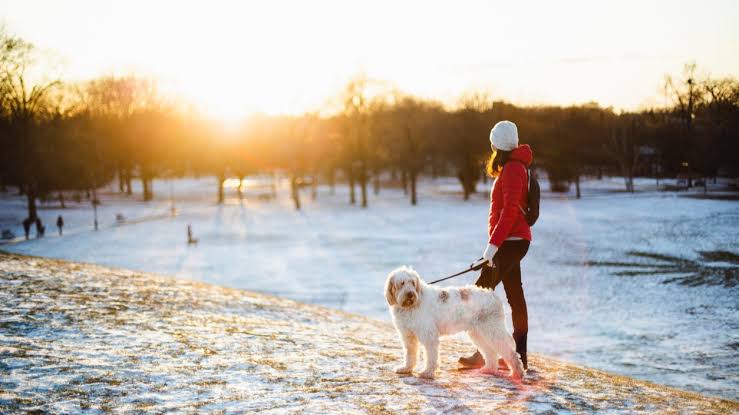
In winter, many people mistakenly assume that pet waste can wait until spring. Snowfall hides it, and cold temperatures seem to preserve it. However, waste left during winter still leaches nutrients and bacteria into the soil—and as soon as the thaw begins, so do the problems.
Challenges in winter:
- Waste freezes to the ground, making it harder to pick up
- Snow can quickly bury new waste
- Accumulation often goes unnoticed until spring
- Outdoor access is more limited due to weather
Winter strategy:
- Stick to regular pooper scooper service, even if the ground is frozen
- Shovel a path for your dog to use consistently (to concentrate waste in one area)
- Use sand or pet-safe deicers in key waste zones
- Keep a covered bin near the door to make daily pickup easier
Winter cleanups may be more difficult, but skipping them only defers the problem—and makes spring much more unpleasant.
Year-Round Tips for Managing Pet Waste
Consistency Is Key
Regardless of season, a few universal best practices will help keep your yard manageable:
- Always remove waste promptly, even if it’s just a little at a time
- Use sealed bags and containers to reduce odor near disposal zones
- Train dogs to use specific parts of the yard to localize the mess
- Use environmental-friendly waste bags, especially in summer when decomposition accelerates
- Avoid relying solely on snow cover, leaf piles, or warm weather to mask odors
Partnering with a reliable pooper scooper means you don’t have to adjust on your own every season. Professionals know how to adapt to the conditions and keep your space clean, regardless of climate changes.
Conclusion
Managing dog waste is a year-round task, but it doesn’t have to be overwhelming. By adapting your strategy to each season’s unique challenges, you can avoid the most common problems—odors, lawn damage, and health hazards—and enjoy a clean outdoor space no matter the weather.
A thoughtful approach to pet waste removal gives you peace of mind, especially when combined with consistent professional help. That’s where services like Doodie Free come in: understanding not just the task, but the seasonal rhythm that makes each yard and every cleanup different.