Maximize the Anti-Aging Power of Your Chemical Peel With These Expert Tips
Aging is inevitable, but dull, tired-looking skin doesn’t have to be. Fine lines, uneven textures, and stubborn sunspots are some of the most common aging signs that become visible as the years go by. While avoiding them isn’t possible altogether, giving your skin the proper support can make all the difference. Luckily, these signs don’t have to last forever. You can always get a glow-up, revive your radiance, and smooth away years of wear.
Chemical face peel treatments are gaining immense popularity and have emerged as one of the best skin aging treatments. They can work wonders if done consistently and combined with proper aftercare. This noninvasive procedure has become a go-to solution for dealing with signs of aging.
What Is a Chemical Peel Treatment?
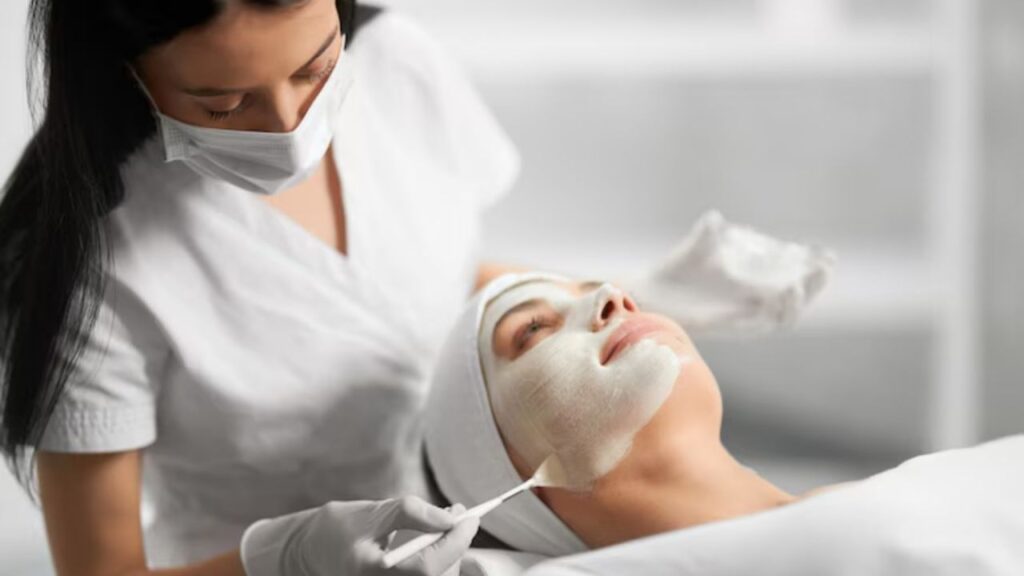
A chemical face peel treatment involves applying a medical-grade solution to the skin to remove the outermost layers. The goal is to speed up the turnover of skin cells, get rid of flaws, and reveal new, smoother skin. There is a range of skin peel treatments available to tackle skin issues. These strengths and formulations are especially designed for specific issues like acne, pigmentation, fine lines, dullness, and more.
You can go for a superficial, medium, or deep peel depending on your skin type and goals. Each type is made to go into the skin at a different depth and needs a particular amount of time to heal and care for afterward.
Challenges Happen with Growing Aging Skin
Aging skin undergoes various changes, and if they are dealt with on time, the process can be easily slowed down. As we get older, our skin loses its collagen, elasticity, and even pigmentation, which contribute to common concerns such as:
- Uneven skin tone and pigmentation:
When skin is frequently exposed to the sun for longer hours, it leads to photoaging. Harmful ultraviolet (UV) radiation accelerates the production of free radicals, resulting in oxidative stress, which in turn activates melanocytes.
This causes an overproduction of melanin, leading to age spots, solar lentigines, and generalized skin discoloration.
- Fine lines around the eyes and mouth: As we age, there is a natural decline in the synthesis of collagen and elastin in the dermis. This shows most in areas with thin layers of skin. However, you can improve your skin with peels and eliminate wrinkles.
- Loss of firmness and elasticity: The degradation of collagen and elastin fibers, along with a reduction in hyaluronic acid levels, makes skin look saggy or loose.
- Dull, rough skin texture: Having changes in the dull and rough skin texture are not always aging-related, but as skin cell turnover slows with age, dead skin cells accumulate on the skin’s surface. This gives a dull and rough appearance.
- Enlarged pores and breakouts: Acne is a big challenge, especially with all the pollution and stressful life. Certain hormonal changes can increase oil production, which in turn leads to clogged pores and potential breakouts.
Pre-Treatment Prep, Your Skin’s New Best Friend
A little prep always goes a long way in makeup and skincare. If you prepare your skin properly, you can minimize side effects and maximize the results.
• Managing Peeling, Redness, and Sensitivity
Use hydrating skincare products to strengthen your skin barrier before a peel. This will reduce the likelihood of the skin being too red or peeling (shedding) after treatment.
• Skincare Products to Use and Avoid
Avoid retinol, exfoliating serums, and related products containing alcohol or strong essential oils at least 5–7 days before your appointment. If you have a treatment planned, use gentle cleansers, fragrance-free moisturizers, and sunscreen in consultation with your dermatologist.
• When to Resume Makeup and Exfoliants
After your peel, it’s best to avoid makeup for 24–48 hours because we have to let our skin breathe and heal. Exfoliants or actives like retinoids and AHAs are generally advisable to skip for at least one week or as recommended by your aesthetician.
What Happens During the Peel?
If you’re new to chemical peels or even if it’s not your first time, knowing what happens during the actual procedure can help ease any nerves and ensure you’re fully prepared. Chemical peels are quick and straightforward, but knowing what to expect from each step can help you calm down and get ready for your skin to change.
Cleansing and Prepping the Skin
Your aesthetician will begin by thoroughly cleansing your skin to remove oils, dirt, or makeup. This helps the chemical solution penetrate evenly and effectively.
Application Process and Tingling
The peeling solution is then applied to your skin in layers. You may feel a tingling, warming, or slight stinging sensation, but it’s nothing to worry about. This is totally normal and will go away in a few minutes. The intensity of the tingling will depend on the peel’s strength.
Duration of the Treatment and Immediate Reactions
The entire procedure usually takes 30 minutes. After the peel is neutralized or removed, your skin may appear slightly red or tight. A few days later, depending on how deep the peel is, mild flaking or shedding may start. These reactions subsided on their own within a few days.
Post-Treatment, The Glow Up Time
Ready for the after-treatment glow-up?
Well, before you jump to take a look at your glowy skin, do not skip the aftercare. It’s important to take care of your skin after a peel to get the best results. There might be some side effects, like some redness, peeling, or dryness, but they are temporary. In your post-treatment period, make sure to:
- Hydrate and moisturize regularly because this will help your skin heal.
- Avoid sun exposure and always wear sunscreen, as your skin will be more sensitive.
- Follow a gentle skincare routine with no harsh or active ingredients like retinol.
How to Incorporate Chemical Peels into Your Skincare Routine?
When it comes to skincare, consistency is your best friend. No matter how good the treatment is, if you are not consistent, you lose all the benefits. For best results, it’s recommended to have a series of peels two to six weeks apart. Each subsequent treatment allows the chemicals to penetrate deeper, giving you more noticeable results.
Here’s how to get the perfect desired results:
- Recommended frequency based on skin type: Superficial peels (e.g., salicylic acid) are generally gentler; hence, they can be done frequently (every 2–4 weeks). Salicylic Acid Peels are ideal for oily and acne-prone skin as they penetrate deep into pores to reduce oil and inflammation. If you have dry or sensitive skin, you can go for medium peels (every 6-8 weeks). These peels should be spaced further apart to allow for adequate skin healing. People with deeper wrinkles, age spots, or sun damage may benefit from medium to deep peels every six months to a year.
- Pairing peels with other anti-aging treatments: Chemical peels work great in conjunction with other treatments like laser therapy or microneedling. They further boost collagen production and also improve overall skin texture.
- Monitoring progress and adjusting your routine: It is important to understand how your skin responds to peels. Keep track of your peels and adjust your skincare routine accordingly. Your esthetician may suggest deeper peels or other treatments over time to improve results.
Final Thoughts
Chemical peels are a powerful tool in the fight against aging. The best part is that they are a non-invasive way to rejuvenate and refresh your skin. But before you start your chemical peel journey, understand your skin’s needs and create a proper skincare plan. This way, you can get the most out of your treatment to fight aging and have smoother, younger-looking skin for years to come.