Managing Pain Effectively During the Recovery Phase
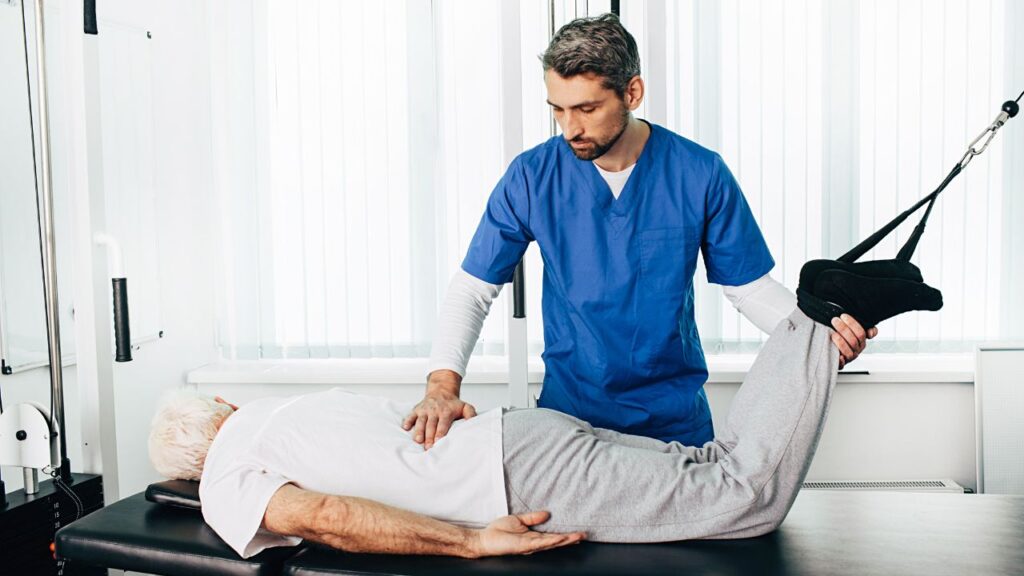
Recovering after a medical procedure or injury can be both a physical and emotional challenge. Pain is a natural part of the recovery process, but understanding how to manage it effectively can make a huge difference in your healing experience. Whether you’re recovering from cervical spine surgery or another condition, adopting the right pain management strategies is critical to restoring your quality of life.
Understanding Pain
Pain is your body’s way of signaling that something requires attention. However, not all pain is the same. Here are the three primary types of pain you may encounter during recovery:
- Acute Pain
This occurs immediately after an injury or surgery, such as cervical spine surgery, and is usually short-term. Acute pain is your body’s response to healing tissues, but it can be managed effectively with the right strategies.
- Chronic Pain
Pain that persists for weeks, months, or even longer, often affecting daily life and mental well-being. Chronic pain may not always relate directly to ongoing physical damage but requires careful monitoring and treatment.
- Neuropathic Pain
This type stems from nerve damage or dysfunction, often described as sharp or burning pain. Those recovering from surgeries involving the nervous system, such as cervical spine surgery, might experience this.
Understanding the type of pain you’re experiencing is the first step to implementing an appropriate recovery plan. At centers like the Adelaide Neurosurgery Centre, specialists can offer tailored solutions based on your specific pain type and recovery outlook.
Non-Pharmacological Methods for Pain Management
Non-medication-based strategies can sometimes be just as effective as traditional methods in managing discomfort. Here are some popular non-pharmacological options:
1. Physical Therapy
Working with a physiotherapist can help target affected areas, improve mobility, and strengthen muscles to reduce pain. For example, patients recovering from cervical spine surgery may benefit from gentle exercises that relieve tension and improve posture.
2. Acupuncture
An ancient practice, acupuncture involves inserting thin needles into specific points of the body. This technique has been known to help reduce pain and promote relaxation.
3. Meditation and Mindfulness
Mindfulness practices, such as meditation and deep-breathing exercises, teach you to focus on the present moment, helping to minimize the emotional burden of chronic or acute pain.
4. Heat and Cold Therapy
Applying a cold compress to reduce swelling or a warm pack to relax muscles can complement other methods for managing pain. Make sure to follow your doctor’s recommendations when using these therapies.
Pharmacological Methods for Pain Management
When non-pharmacological approaches aren’t enough, medications offer more direct relief. Here’s a breakdown of commonly used options:
- Over-the-Counter (OTC) Pain Relievers
Medications such as ibuprofen or acetaminophen can help reduce inflammation and alleviate mild to moderate pain. These are widely available but should still be taken following dosage instructions.
- Prescription Pain Medications
For more severe post-surgical pain, like after cervical spine surgery, your doctor may prescribe stronger medications like opioids. While effective, these should be used responsibly due to the risk of dependency.
- Nerve Pain Medications
For neuropathic pain, medicines like gabapentin or pregabalin may help. These treat the root of the nerve symptoms and are often prescribed by specialists such as those at the Adelaide Neurosurgery Centre.
Lifestyle Adjustments That Help Manage Pain
A healthy lifestyle is a key component of recovery. If you’re recovering from surgery or another medical condition, these adjustments can complement other pain-management techniques:
- Diet
Eating a balanced diet rich in anti-inflammatory foods, like leafy greens, berries, and fatty fish, can support your body’s healing process and help manage pain naturally.
- Sleep
Quality sleep is crucial during recovery. Rest allows your body to repair tissues and recover. Ensure you maintain a consistent sleep schedule and create a comfortable sleeping environment.
- Exercise
Gentle exercises, such as walking or stretching, help improve blood flow and reduce stiffness. Post-operative patients, such as those recovering from cervical spine surgery, should coordinate their exercise plans with their healthcare providers.
By nurturing your overall health, you’ll create better conditions for your body to heal and reduce your reliance on medications.
When to Seek Professional Help
There are moments when managing pain on your own may not be enough. Here are some signs that you should contact a healthcare professional:
- Pain persists or worsens despite following treatment plans.
- You experience side effects from medications, such as nausea or dizziness.
- Neuropathic symptoms, like numbness or tingling, increase in intensity.
- Your pain significantly affects your ability to perform daily tasks.
Professionals at the Adelaide Neurosurgery Centre specialize in helping patients with complex conditions, particularly those recovering from operations like cervical spine surgery. Don’t hesitate to seek advice or treatment if you notice any concerning symptoms.
Conclusion
Pain management is a critical aspect of the recovery phase. By understanding your pain, combining non-pharmacological and pharmacological methods, making lifestyle adjustments, and knowing when to seek help, you can significantly improve your recovery experience. For those recovering from cervical spine surgery, a tailored and proactive approach can make all the difference in returning to daily life with ease.