Top 5 Trekking Routes in Nepal for 2025/2026: A Complete Adventure Guide
Why Trekking in Nepal in 2025/2026 Is a Must
Trekking in Nepal is more than a physical challenge—it’s a spiritual and cultural immersion. In 2025/2026, Nepal’s trekking industry is flourishing again, with upgraded trails, stronger environmental policies, and improved teahouse infrastructure across most regions.
Whether you’re looking to conquer iconic base camps or explore remote highlands, these five treks offer unmatched natural beauty, local culture, and high adventure for every kind of traveler.
1. Everest Base Camp Trek
Best For: First-time Himalayan trekkers, photography lovers, adventure seekers
Duration: 12–15 days
Maximum Altitude: 5,364 m (Base Camp), 5,545 m (Kala Patthar)
Difficulty: Moderate to Challenging
Region: Khumbu / Everest Region
Permits: Sagarmatha National Park Permit, Khumbu Pasang Lhamu Entry Permit
Why It’s the Most Famous Trek in Nepal
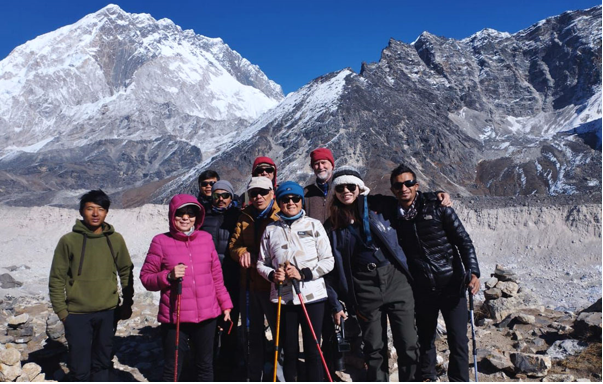
The Everest Base Camp (EBC) trek is a legendary trail that takes you into the heart of the Himalayas. Walking beneath towering giants like Lhotse, Nuptse, and of course Everest itself, is a dream for many. You’ll traverse remote Sherpa villages, visit ancient monasteries, and hike to panoramic viewpoints like Kala Patthar.
Highlights
- Lukla’s scenic mountain flight
- Namche Bazaar – the bustling Sherpa capital
- Tengboche Monastery and its mountain backdrop
- Sunrise over Everest from Kala Patthar
Best Season:
Spring (March–May) and Autumn (Sept–Nov) offer clear skies and stable conditions.
2. Annapurna Circuit Trek
Best For: Nature lovers, long-distance trekkers, culture seekers
Duration: 15–20 days
Maximum Altitude: 5,416 m (Thorong La Pass)
Difficulty: Moderate to Challenging
Region: Annapurna Region
Permits: Annapurna Conservation Area Permit (ACAP), TIMS Card
Why This Classic Still Reigns Supreme
The Annapurna Circuit is a circular trail that offers every kind of Himalayan scenery—lush forests, high-altitude deserts, glacial rivers, and epic mountain views. In 2025, upgraded trails now avoid most of the roads with “NATT” (Natural Annapurna Trekking Trail) routes, offering a more peaceful and scenic experience.
Highlights
- Crossing Thorong La Pass (5,416 m)
- Visiting Muktinath Temple (a sacred pilgrimage site)
- Natural hot springs at Tatopani
- Diverse ethnic cultures (Gurung, Thakali, Tibetan)
Pro Tip:
Trek counter-clockwise for safer altitude acclimatization and gentler elevation gain.
3. Langtang Valley Trek
Best For: Shorter treks, scenic hikers, cultural explorers
Duration: 7–10 days
Maximum Altitude: 4,984 m (Tserko Ri)
Difficulty: Moderate
Region: Langtang National Park
Permits: Langtang National Park Permit, TIMS Card
Why It’s Perfect for Shorter Timeframes
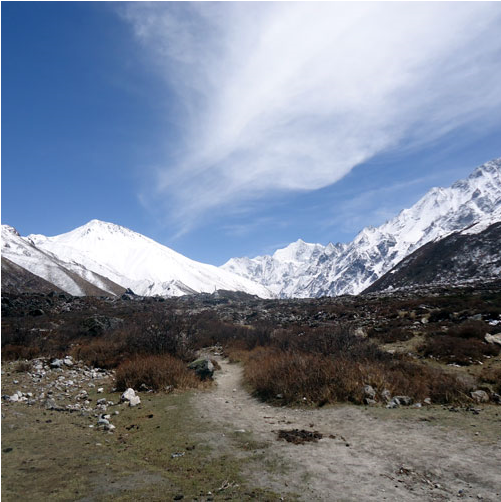
Located just north of Kathmandu, the Langtang Valley Trek is a hidden gem that offers dramatic alpine scenery without needing a domestic flight. Despite being impacted by the 2015 earthquake, the region has rebuilt and emerged stronger, with improved trails and revitalized communities.
Highlights
- Spectacular glacier views from Kyanjin Gompa
- Day hike to Tserko Ri (nearly 5,000 m)
- Authentic Tamang culture and yak herding villages
- Easy accessibility by road from Kathmandu
Ideal For:
Trekkers wanting stunning views in under 10 days, without sacrificing cultural depth.
4. Manaslu Circuit Trek
Best For: Off-the-beaten-path adventurers, experienced hikers
Duration: 14–18 days
Maximum Altitude: 5,106 m (Larkya La Pass)
Difficulty: Challenging
Region: Gorkha / Manaslu Region
Permits: Manaslu Restricted Area Permit (RAP), ACAP, MCAP, TIMS (guide required)
The Best Remote Trek for 2025/2026
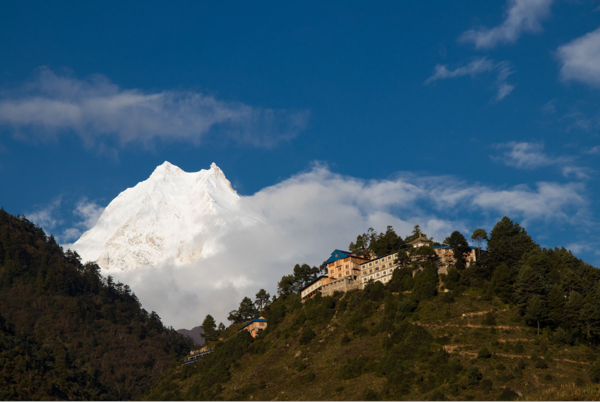
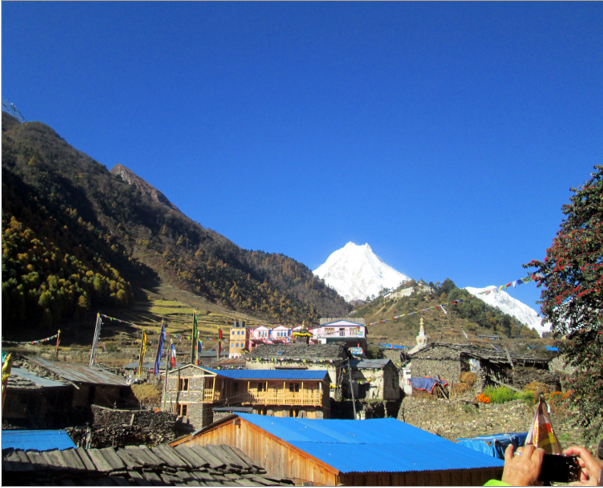
The Manaslu Circuit Trekking offers raw adventure with fewer crowds and a more traditional trekking experience. Circling the world’s 8th-highest mountain, it passes through remote villages where Tibetan Buddhist influence remains strong. The route requires a licensed guide, adding to its authenticity and safety.
Highlights
- Jaw-dropping views of Mt. Manaslu (8,163 m)
- Remote Tibetan-style villages like Lho and Samagaun
- Crossing Larkya La Pass, one of Nepal’s highest
- Strong chance of wildlife encounters (blue sheep, Himalayan tahr)
Fun Fact:
In 2025, improved bridges and lodges have made this trek safer and more accessible while preserving its wild spirit.
5. Upper Mustang Trek
Best For: Cultural travelers, photographers, monsoon trekkers
Duration: 12–14 days
Maximum Altitude: ~3,800 m
Difficulty: Moderate
Region: Mustang (Rain-shadow area)
Permits: Restricted Area Permit ($500 for 10 days), ACAP
A Journey to Nepal’s Forbidden Kingdom
Once a Himalayan kingdom closed to foreigners, Upper Mustang remains one of the most culturally intact regions in Nepal. Trekking here is like entering a time capsule—desert canyons, ancient Tibetan monasteries, and cave dwellings dot the dramatic landscape.
Highlights
- Explore the walled city of Lo Manthang
- Trek through colorful, eroded cliffs and dry valleys
- Attend the mystical Tiji Festival (spring/summer)
- Enjoy dry weather even during monsoon
Important Note:
Access is restricted and pricey—but entirely worth it for the experience.
For a smooth and professional trekking experience in Nepal, we highly recommend Regal Nepal Treks. They offer fully customizable packages, experienced local guides, and ethical trekking practices including porter welfare and eco-conscious operations.
Contact Information:
Email: info@regalnepaltreks.com
Phone: +977-9851363944 (WhatsApp)
With their expertise, you’ll enjoy a safer and more enriching journey on any of Nepal’s top trekking routes.