How to Fix Sagging or Uneven Artificial Lawn Patches
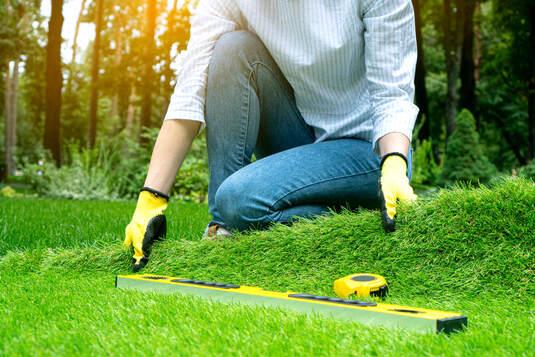
Nothing ruins the look of your outdoor space quite like an artificial lawn with sagging or uneven patches. These unsightly dips and bumps not only affect the visual appeal of your yard but can also create tripping hazards and water pooling issues. If you’ve invested in quality artificial lawn in Adelaide, maintaining its pristine appearance is essential for getting the most out of your investment.
The good news? Most sagging issues can be fixed with the right approach and a bit of patience. Whether your lawn was installed by The Turf Farm or another provider, understanding how to address these problems will help you restore that perfect, lush appearance you love.
Common Causes of Sagging
Poor Installation
The foundation of any great artificial lawn lies in proper base preparation. When installers skip crucial steps or rush the process, the ground beneath can settle unevenly over time. This creates those frustrating dips and valleys that make your lawn look less than perfect.
Drainage Issues
Water accumulation beneath your artificial lawn can cause significant problems. Without proper drainage, moisture builds up and gradually washes away the supporting base material, leaving hollow spaces that cause the turf above to sink.
Heavy Use and Traffic
Constant foot traffic, pets running around, or placing heavy furniture and equipment on your artificial lawn can compress the infill and base materials. Over time, these high-traffic areas develop noticeable depressions.
Soil Erosion
Natural soil erosion beneath the turf creates voids and uneven surfaces. This is particularly common in areas with poor drainage or where water runoff concentrates in specific spots.
Tools and Materials You’ll Need
Before starting your repair, gather these essential items:
- Utility knife or sharp blade
- Infill material (silica sand or rubber granules)
- Stiff brush or power broom
- Lawn roller (optional but helpful)
- Base material (decomposed granite or similar)
- Tamper or compacting tool
- Garden hose for water
Step-by-Step Repair Guide
Assess the Damage
Walk around your artificial lawn in Adelaide and identify all problematic areas. Press down gently with your foot to determine which spots feel soft or uneven. Mark these areas so you can address them systematically.
Prepare the Area
Carefully cut around the sagging section using a utility knife. Make clean, straight cuts to ensure easy reinstallation. Gently lift the affected turf section and fold it back, exposing the base underneath.
Level the Base
Remove any loose or washed-away base material. Add fresh base material to fill low spots, then compact it thoroughly using a tamper. The goal is creating a firm, level surface that matches the surrounding areas.
Reinstall the Turf
Stretch the artificial lawn back into position, ensuring it lies flat without wrinkles or bubbles. The turf should fit snugly against adjacent sections. If you notice any gaps or overlaps, trim carefully for a seamless appearance.
Add Infill
Distribute infill material evenly across the repaired area. This crucial step provides stability and helps the turf blades stand upright. Use slightly more infill than you think you need, as some will settle over time.
Brush and Roll
Use a stiff brush to work the infill down between the turf fibers. Brush against the grain to help the blades stand up naturally. If available, use a lawn roller to ensure everything is perfectly smooth and even.
Preventative Measures
Professional Installation
The best way to avoid future sagging issues is ensuring proper installation from the start. The Turf Farm specializes in quality artificial lawn installation in Adelaide, using proven techniques that prevent common problems before they occur.
Regular Maintenance
Schedule monthly brushing sessions to redistribute infill and keep your lawn looking fresh. Top up infill material annually or as needed to maintain proper support levels.
Proper Drainage
Invest in adequate drainage solutions during installation. This prevents water accumulation that leads to base material erosion and subsequent sagging issues.
Smart Usage
Avoid placing heavy objects on your artificial lawn for extended periods. Rotate high-traffic patterns when possible to prevent excessive wear in specific areas.
Conclusion
Maintaining your artificial lawn doesn’t have to be complicated. With these repair techniques, you can address sagging patches and restore that beautiful, even appearance that makes artificial lawn in Adelaide such a popular choice for homeowners.If you’re considering new artificial turf or need professional maintenance services, The Turf Farm offers expert installation and ongoing support to keep your lawn looking magnificent year-round.