The Nostalgia Effect: How Retro Halloween Costumes Connect Generations
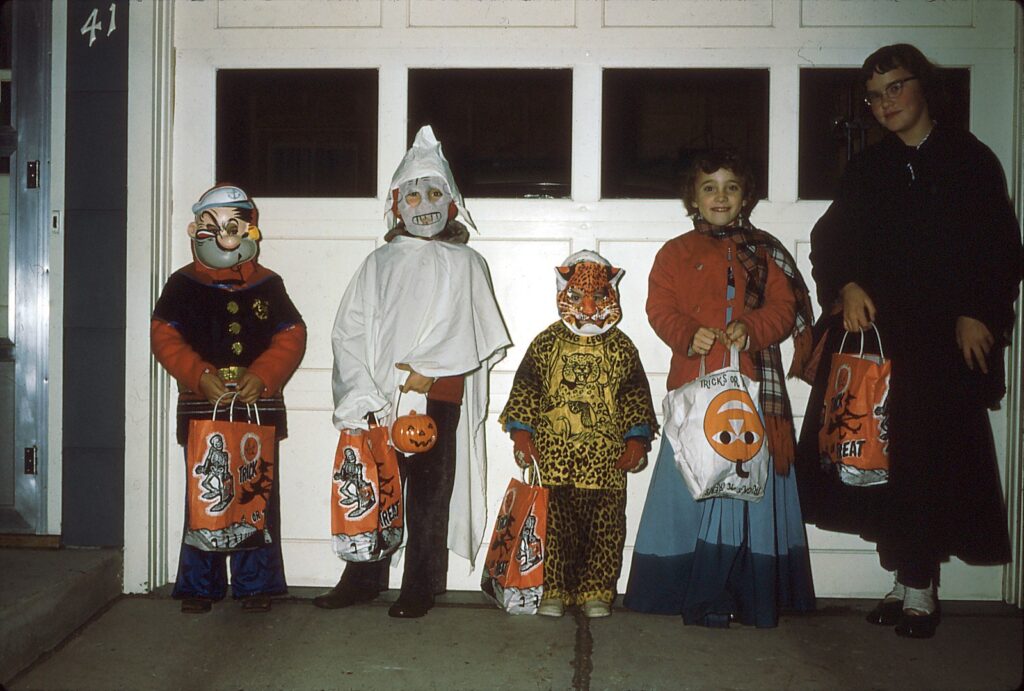
There’s something magical about watching a grandparent’s face light up when a child appears dressed as a character from their youth. Retro halloween costumes have become powerful tools for intergenerational connection, creating bridges between past and present that strengthen family bonds and cultural continuity. This nostalgic approach to Halloween goes beyond simple vintage aesthetics—it’s about shared stories, cultural memory, and the recognition that some things transcend generational boundaries.
The appeal of retro costumes has exploded in recent years, with multiple generations finding joy in revisiting and reimagining past decades. Whether it’s a child dressed as a 1950s soda jerk, a millennial embracing 1980s neon, or a baby boomer recreating 1960s flower power, these costumes create immediate connections across age gaps. The shared cultural touchstones represented in retro halloween costumes provide common ground in an increasingly fragmented media landscape.
The Psychology of Nostalgic Connection
Nostalgia serves important psychological functions, providing comfort, continuity, and connection in rapidly changing times. When families choose retro themes for halloween costumes, they activate powerful emotional responses that strengthen bonds and create lasting memories. Psychological research shows that nostalgic experiences increase feelings of social connectedness, self-continuity, and meaning in life.
For older generations, seeing their cultural touchstones celebrated through costumes validates their experiences and cultural contributions. For younger generations, exploring past eras through costume provides tangible connections to family history and cultural heritage. This bidirectional appreciation creates dialogue opportunities that might not naturally arise, with costume choices sparking stories about “what it was really like” in different eras.
Decades as Doorways to Understanding
Each decade offers unique costume opportunities that reveal different aspects of cultural history. The 1950s, with its clear aesthetic markers of poodle skirts, leather jackets, and distinctive hairstyles, provides easily recognizable costumes that spark conversations about post-war optimism and emerging youth culture. The 1960s offers everything from mod fashion to hippie counterculture, enabling discussions about social change and revolution.
The 1970s brings disco glamour and punk rebellion, while the 1980s provides neon excess and emerging technology culture. The 1990s, now considered retro, offers grunge aesthetics and early internet culture references. Each era’s halloween costumes become teaching tools, helping younger generations understand not just fashion but the social contexts that created these styles.
Family Stories Through Costume Recreation
Many families use retro Halloween as opportunities to recreate specific family photographs or moments. Children dress as their parents appeared in old Halloween photos, creating powerful visual connections across time. These recreations often become new family traditions, with annual photos showing multiple generations in similar costumes from different eras.
The process of creating these costumes becomes family archaeology, involving searches through attics, photo albums, and memory banks. Parents and grandparents share stories triggered by costume elements—the significance of particular bands on tour t-shirts, the social meaning of certain fashion choices, the cultural moments that defined their youth. These stories, anchored to tangible costume elements, become more memorable and meaningful than abstract reminiscences.
Pop Culture Time Capsules
Retro halloween costumes often center on pop culture figures that defined generations. Classic movie monsters from Universal’s golden age connect great-grandparents with today’s children. Star Wars characters span multiple generations of fans. Iconic musicians from Elvis to Madonna to Nirvana provide costume inspiration that reveals generational musical DNA.
Television characters offer particularly rich territory for intergenerational connection. Shows that ran for decades or experienced revivals create shared reference points across age groups. When a child dresses as a character from a parent’s favorite childhood show, it validates that parent’s cultural experiences while introducing the child to family cultural heritage.
The Craft of Authentic Recreation
Creating authentic retro halloween costumes has become an art form involving research, craftsmanship, and attention to period detail. Families study old photographs, watch period films, and consult fashion histories to achieve accurate representations. This research process itself becomes educational, with children learning about historical contexts through the lens of fashion and popular culture.
The hunt for authentic vintage pieces or accurate reproductions brings generations together in shared missions. Grandparents contribute actual vintage items or knowledge about period-appropriate styling. Parents apply modern crafting techniques to recreate vintage looks. Children bring fresh eyes that often spot details others miss. This collaborative creation strengthens family bonds while preserving and transmitting cultural knowledge.
Technology Bridging Time Gaps
Modern technology enhances retro costume creation and sharing in ways that strengthen intergenerational connections. Digital photo restoration allows families to clearly see historical costume details. Social media enables sharing of then-and-now costume comparisons with extended family worldwide. Video calls allow distant grandparents to participate in costume planning and reveal.
Online tutorials teaching vintage hairstyling, makeup techniques, and clothing construction make authentic retro recreation accessible. Digital archives provide reference materials that might otherwise be lost. These technological tools don’t replace personal stories but enhance them, providing visual and contextual support for intergenerational sharing.
Cultural Preservation Through Play
Retro halloween costumes serve as vehicles for cultural preservation, keeping alive fashion, music, and social movements that might otherwise fade from collective memory. When children dress as Rosie the Riveter or 1960s astronauts, they embody historical moments that shaped today’s world. These costumes make history tangible and personal rather than abstract and distant.
This playful approach to cultural preservation proves more effective than formal education alone. Children remember the stories connected to costumes they’ve worn, the music they danced to while in character, the compliments received from older generations who recognized their references. These embodied experiences create lasting connections to cultural history.
Economic and Environmental Benefits
The retro costume trend aligns with sustainable Halloween practices, as vintage clothing and accessories get new life as costumes. Thrift stores report increased interest in decade-specific pieces around Halloween, with families hunting for authentic vintage items. This reuse reduces waste while often providing higher-quality materials than contemporary costume manufacturing.
Intergenerational costume sharing maximizes resources while strengthening family connections. Costumes preserved from previous decades become family heirlooms, worn by multiple generations. The stories accumulated by these costumes—who wore them when, the parties attended, the prizes won—add layers of meaning that new purchases can’t match.
Building Future Nostalgia
Today’s halloween costumes become tomorrow’s nostalgic treasures. Families consciously creating costume traditions understand they’re building future connection points. Documentation of contemporary costumes, whether through photos, videos, or preserved costume pieces, creates archives for future generations to explore and reimagine.
The cycle of nostalgic appreciation continues as what was once contemporary becomes retro. Parents who dressed as 1980s characters as children now watch their children embrace 1990s and early 2000s aesthetics as “vintage.” This rolling wave of nostalgia ensures that every generation has opportunities to connect with both past and future through costume play.
The nostalgia effect in Halloween costumes does more than generate warm feelings—it creates active connections between generations, preserves cultural memory, and builds family narratives that transcend time. By choosing retro themes, families choose connection, continuity, and the celebration of shared cultural heritage. These costume choices remind us that while fashions change, the human experiences they represent remain remarkably constant across generations.