Copyright Compliance for Businesses: Why It Matters More Than Ever
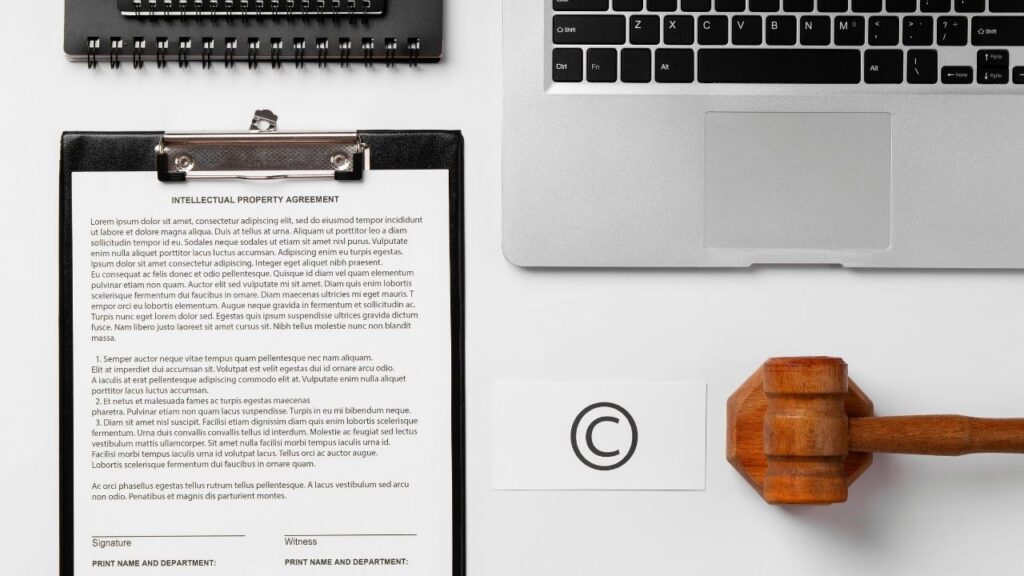
In today’s digital economy, intellectual property is one of the most valuable assets a business can own—or accidentally infringe upon. Whether you are running a tech startup, a marketing agency, or a local café with a vibrant online presence, copyright laws affect your operations more than you might realize. From the content on your website to the software your team uses daily, ignoring copyright compliance can expose your business to costly lawsuits, reputational damage, and even operational shutdowns.
Understanding Copyright Basics
Copyright is a form of legal protection granted to creators of original works. These works can include literature, music, visual art, films, photography, software, and even certain marketing materials. When something is copyrighted, the creator (or rights holder) maintains exclusive rights to use, distribute, and reproduce that work.
For businesses, this means you cannot simply copy an image you find online, repurpose a competitor’s content, or use music in your ads without obtaining the proper licenses. The idea of “fair use” is often misunderstood—what might feel like harmless borrowing can, in reality, be a violation that leads to expensive legal disputes.
Copyright in Digital Content
Every business today produces digital content in some form—blogs, social media posts, videos, or e-books. While this content is a powerful way to build brand awareness, it also creates risks if sourced incorrectly. Stock photography, for example, might seem safe to use, but not all images labeled “free” are truly free for commercial purposes.
Companies should establish clear internal guidelines:
- Always verify the licensing terms of digital assets.
- Credit creators when required by license agreements.
- Train staff on how to identify legitimate sources of images, icons, and videos.
By fostering a culture of compliance, businesses reduce the chances of unknowingly infringing on someone else’s work.
Software Licensing and Compliance
Another area that often catches businesses off guard is software licensing. Many organizations still rely on outdated or unlicensed software, assuming that enforcement will be minimal. However, software companies actively monitor misuse, and violations can result in significant fines or mandatory audits.
To remain compliant, businesses should:
- Keep an updated inventory of all software in use.
- Review license agreements before installation.
- Consider subscription-based models that ensure automatic compliance.
Taking shortcuts with software licensing might save money in the short term but can lead to long-term legal and financial consequences.
Copyright and Music in Business
Music is one of the most overlooked aspects of copyright law in business operations. Playing music in a commercial environment—whether in a café, retail store, or office space—requires proper licensing. Simply streaming from personal accounts like Spotify or YouTube does not meet copyright requirements for public or commercial use.
Failure to comply with music licensing laws can result in fines from performing rights organizations or even lawsuits from rights holders. At the same time, properly licensed music can elevate the customer experience and positively influence behavior. Studies consistently show that background music affects how long customers stay in a store, how much they spend, and how they perceive a brand.
Fortunately, businesses now have accessible solutions that provide royalty-free or fully licensed music tailored for commercial spaces. Services like high-quality music for businesses offer curated playlists that not only comply with copyright law but also enhance brand identity and create the right atmosphere for customers. By making the right choice, companies can protect themselves legally while reaping the benefits of music as a strategic business tool.
Global Differences in Copyright Law
One of the challenges businesses face in the modern marketplace is the diversity of copyright laws across countries. While the general principles remain consistent—protecting creators’ rights and ensuring fair compensation—the specifics can vary significantly.
For example:
- In the United States, fair use exceptions are relatively broad, allowing some use of copyrighted material for commentary, criticism, or education.
- In the European Union, exceptions are narrower, and businesses often face stricter enforcement.
- In emerging markets, enforcement mechanisms may be less robust, but international companies must still comply with global standards.
Businesses operating internationally must therefore invest in legal advice tailored to each region where they operate, especially when producing or distributing content across borders.
Building a Culture of Compliance
Compliance should not be seen as a box-ticking exercise but as part of a company’s culture and ethical standards. When employees understand why copyright matters, they become more proactive in protecting both the company and external creators.
Practical steps to foster compliance include:
- Regular training sessions on intellectual property.
- Internal audits to ensure licensing agreements are up-to-date.
- Clear escalation processes when employees are unsure about content use.
Embedding compliance into daily operations creates a more resilient and responsible organization.
Conclusion
Copyright compliance is not simply a legal necessity—it is a strategic advantage. Businesses that respect intellectual property build stronger reputations, foster trust among partners and customers, and reduce the risk of costly disputes. From digital content and software to music in commercial environments, copyright issues touch every corner of modern business operations.
As commerce becomes increasingly digital and global, the importance of compliance will only grow. Companies that take proactive steps today—by training staff, auditing content, and choosing licensed solutions—position themselves for sustainable growth and long-term success.