Understanding Printer Consumables: Focus Areas for Facility Managers
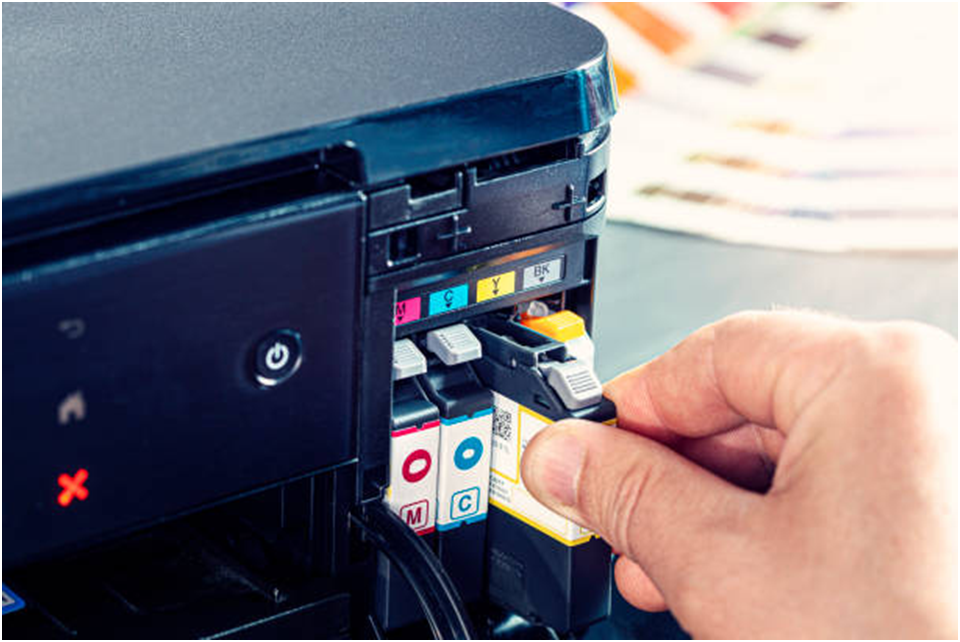
With modern business operations running round the clock, systems and equipment are monitored and managed by Facilities Managers for uninterrupted functionality. Out of many responsibilities, managing laser printer consumables is often overlooked, but its impact on operational productivity and cost management is profound. The decision to purchase consumables, for example, whether to go for a compatible cartridge or an OEM version, affects both print quality and cost.
This article will help facilities managers understand the key components of laser printer consumables, discuss the pros and cons of using compatible cartridges, and recommend best management practices tailored for enterprises.
Key Components of Laser Printer Consumables
Before moving to strategic priorities, it is crucial to outline relevant consumables and their respective roles in the printing process. These consumables include:
- Toner Cartridges: Contain the powdered toner that creates letters and graphics on paper.
- Drum Units: Transfer the toner onto paper accurately.
- Fuser Units: Permanently bond toner to the paper with the application of heat and pressure.
- Transfer Belts and Rollers: Enable smooth transport of paper through the printer.
- Waste Toner Containers: Collect excess toner during the printing process.
In terms of cost, toner cartridges not only take the title of the most frequently replaced consumable in the office, but also the most expensive ongoing expense. Moreover, facilities managers have the added pressure of balancing optimal workflow and minimal downtime while simultaneously keeping print quality up to standards.
The Importance of Recognizing Compatible Cartridges
Original manufacturer cartridges and compatible cartridges both pose usefulness to facilities managers, however, compatible cartridges usually cost less than OEM alternatives. OEM alternatives generally serve as cost effective options because they are manufactured to the same standards as the original, but do so at a reduced price.
Here’s why compatible cartridges should be on every facilities manager’s radar:
- Cost Efficiency: Compatible cartridges can reduce supply costs by 20-40%. For businesses with large print volumes, this represents significant savings.
- Improved Quality: Print clarity and reliability have greatly improved in recent years for compatible cartridges.
- Sustainability Benefits: Many compatible cartridges use recycled components, aligning with corporate sustainability goals.
- Wider Supplier Base: Facilities managers now have multiple suppliers to choose from. This broadens options, reduces dependency, and improves availability.
Concerns on compatibility or warranty issues arise, however, most of these worries can be alleviated through reputable suppliers who provide tested and guaranteed compatible cartridges.
Prioritizing Reliability and Quality of Prints
Quality control is crucial when it comes to business and printouts, as documents are often used to interact with customers and clients. Facility managers should also take into consideration sensors or printers that ensure high-quality printing during high-volume projects. This involves:
- Using toner cartridges and drum units designed specifically for the printer to ensure high-quality text and image prints.
- Confirming print standards by testing compatible cartridges prior to bulk purchase.
- Monitoring print output consistently to predict early signs of cartridge degradation.
High-quality consumables reduce wastage and downtime while improving productivity, which ultimately improves operational costs and user satisfaction.
Optimizing Yield and Lifespan of Consumables
Both priorities revolve around fully grasping and optimizing the yield of consumables in a laser printer. Facilities managers should:
- Analyze historical data and monitor trends around printer usage to plan for stock replacements.
- Take into account both the low-cost and high-yield options offered by other suppliers which reduces the frequency of replacements and handling.
- Allocate budget to purchase consumables that provide maximum yield while reducing the maximum number of replacements.
By prioritizing these factors, organizations are able to lower the disruptions of work there will be around printing infrastructure which increases the overall cost.
Optimizing Inventory and Supplier Relations
A complete strategy for managing consumables for laser printers entails strong inventory management and supplier relationships:
- Stock Control: Implement inventory control systems that keep track of supplies in real-time, triggering reorders of critical consumables automatically, such as toner and paper, before supplies reach the set reorder level.
- Streamlined Ordering: Consolidate as many consumables as possible to a single supplier to facilitate quicker and easier ordering.
- Supplier Relationships: Establish and maintain partnerships with suppliers who have a proven track record for providing quality services, such as answering calls and making timely deliveries of the requisite materials.
- Subscription Models: Work towards obtaining an exclusive agreement with the supplier to enable them to cater to unanticipated shifts in demand without charge in exchange for guaranteed purchase agreements.
By automating and streamlining these tasks, facilities managers can reduce manual procedures and enhance the reliability of the supply chain.
Environmental Impact Practices and Selection of Future-Proofable Consumables
There has been an increasing focus put on sustainability, and facilities managers should work on improving the environmental impact of their consumables:
- Opt for compliant cartridges that utilize recycled materials and have certifications that prove these materials are used in a sustainable manner.
- Establish programs to recycle cartridges to help reduce the amount of solid waste.
- Actively watch for innovations in the market, for example, smart cartridges that track toner usage and use report-based resupply planning.
Businesses need to manage their image in regards to sustainability while actively implementing measures that enhance their corporate responsibility image and reducing overall waste.
To conclude, managing laser printer consumables is a complex responsibility where a facilities manager needs to balance accuracy, expense, and environmental impact. The consideration of compatible cartridges significantly influences this balance. Print operations that are aligned with broader business goals include ensuring efficient operations, maintaining high-quality standards, conserving resources, optimizing inventory, and embracing sustainability.
For facilities managers aiming to improve the effectiveness of their consumable strategy, working with informed suppliers of compatible cartridges and consumables can provide customized assistance and enhance results.