Keeping Time in Melbourne: Clocks, Culture, and Connection
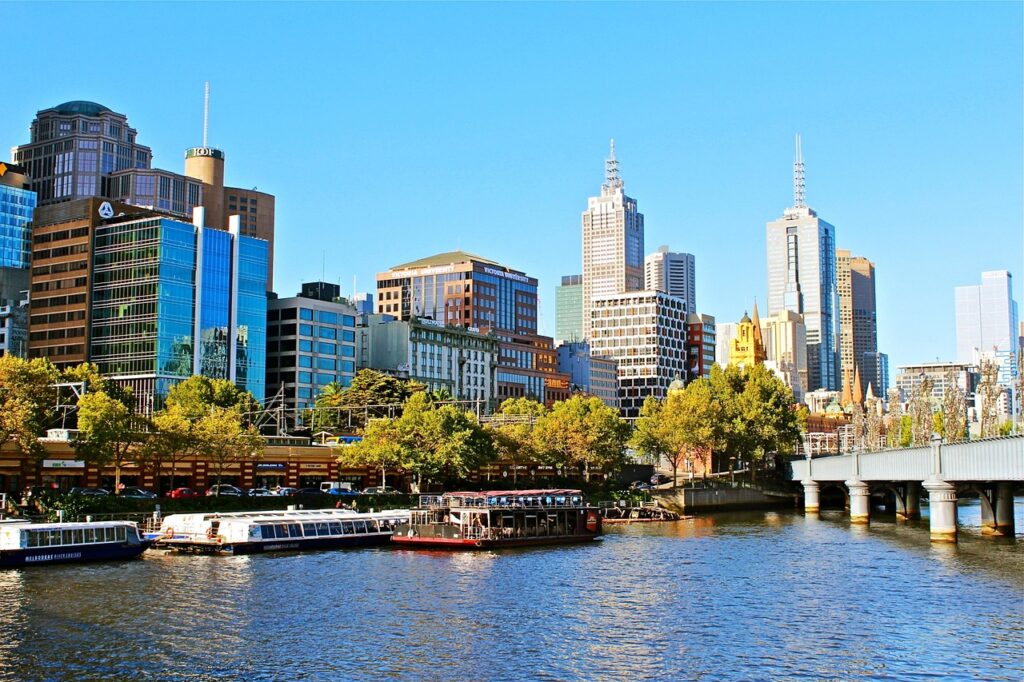
In Melbourne, time is more than a number on a clock—it is the rhythm that frames the city’s lifestyle, business, and cultural identity. From early-morning commuters filling the trams to late-night cafés serving the city’s renowned coffee, the current time in Melbourne reflects both local traditions and global connections. As one of Australia’s most dynamic cities, Melbourne balances its rich past with a modern pace, showing how timekeeping is both practical and symbolic in shaping daily life.
A Brief History of Timekeeping in Melbourne
Time in Australia has always been tied to geography and growth, and Melbourne played a defining role in this story. In the 19th century, when railways and shipping routes connected the city to other regions, the need for consistent timekeeping became urgent. Like elsewhere in the world, each town once relied on its own “local solar time,” making coordination difficult. With Melbourne emerging as a hub of trade and governance, the shift toward standardized time became essential.
By 1895, the entire country moved to a national system of time zones, aligning Melbourne with Australian Eastern Standard Time (AEST). This standardization linked Melbourne not only to Sydney and Brisbane but also to global trade partners, reinforcing its position as a city where timekeeping shaped progress. Over the years, the adoption of Daylight Saving Time further influenced Melbourne’s clock, allowing residents to maximize sunlight during the long summer evenings.
Time Zones and Daylight Saving: What Time Is It in Melbourne?
The current time in Melbourne follows Australian Eastern Standard Time (AEST, UTC+10). However, like much of southeastern Australia, the city observes Daylight Saving Time (DST). From the first Sunday in October to the first Sunday in April, clocks move forward one hour, shifting Melbourne to Australian Eastern Daylight Time (AEDT, UTC+11).
This seasonal change affects everything from business operations to cultural events. During summer, longer evenings encourage outdoor dining, festivals, and sports, aligning the city’s social life with extended daylight. For international travelers and business partners, knowing the exact time in Melbourne is crucial. When it’s noon in Melbourne, it’s 10:00 a.m. in Singapore, 2:00 a.m. in London, and 9:00 p.m. the previous day in New York.
Business Hours and Melbourne’s Daily Rhythm
Melbourne’s business world ticks to a carefully structured rhythm. Standard office hours typically run from 9 a.m. to 5 p.m., but the city’s global ties mean many industries extend beyond these bounds. The Australian Securities Exchange (ASX) opens at 10 a.m., while international firms in finance, logistics, and technology frequently adjust to align with partners in Asia, Europe, and North America.
Commuters define the pulse of Melbourne’s weekdays, with trams, trains, and buses filling in the early hours as workers head into the Central Business District (CBD). Cafés and restaurants shape their busiest times around these flows—morning coffee crowds, lunchtime office breaks, and vibrant evenings when Melbourne’s laneways come alive with dining and nightlife. Here, time is not just kept; it is lived in patterns that reflect the city’s cosmopolitan energy.
Time in the Digital Age: Global Melbourne
Today, the concept of time in Melbourne extends far beyond the clock on the wall. With globalization and digital connectivity, Melbourne constantly bridges time zones to stay in sync with global partners. Virtual meetings often link the city with Europe late at night or the U.S. in early morning hours. Tech firms, creative industries, and universities rely heavily on precise time coordination to ensure projects run smoothly across continents.
Digital platforms and automated time conversion tools have made scheduling easier, but Melbourne’s global role still demands flexibility. Whether hosting international sporting events like the Australian Open or coordinating supply chains across Asia-Pacific, the city thrives by aligning local routines with global demands. In this sense, Melbourne’s clock represents more than hours—it symbolizes its role as a modern, connected metropolis.
Final Thoughts
Time in Melbourne is both practical and cultural, guiding the city’s daily rhythms while connecting it to the wider world. From the establishment of standardized time zones to the adoption of Daylight Saving, Melbourne has continually adapted to the needs of commerce, culture, and community. The current time in Melbourne doesn’t just tell you the hour—it reveals the heartbeat of a city that balances tradition with innovation. To understand Melbourne is to recognize how its clock frames not only the present but also its global future.
FAQ
1. What time zone is Melbourne in?
Melbourne follows Australian Eastern Standard Time (AEST, UTC+10) and shifts to Australian Eastern Daylight Time (AEDT, UTC+11) during summer.
2. Does Melbourne observe Daylight Saving Time?
Yes. Clocks move forward one hour from October to April, extending evening daylight.
3. How does Melbourne’s time compare to other cities?
When it’s noon in Melbourne, it’s 10:00 a.m. in Singapore, 2:00 a.m. in London, and 9:00 p.m. (previous day) in New York.
4. Why is timekeeping important in Melbourne’s history?
Melbourne was central to Australia’s move toward standardized national time zones in the late 19th century, ensuring smoother trade, travel, and communication.