A Complete Guide to Disability Insurance
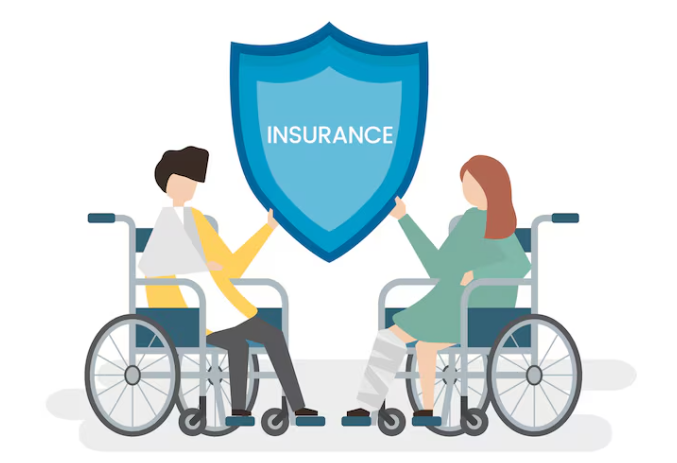
Life has a way of catching us off guard, and while we can’t predict the future, we can prepare for it. And if you’re surviving on your paycheck, one of the smartest financial safeguards you can put in place is disability insurance.
This type of coverage provides you with an income if an illness or injury in the future prevents you from working, ensuring that you and your loved ones don’t struggle financially during an already difficult time.
Here’s everything you need to know about it.
What Is Disability Insurance?
Disability insurance is a financial safety net that replaces part of your income if you’re unable to work due to a disability. Unlike critical illness insurance or life insurance, which pays a lump sum, disability insurance provides ongoing income support.
So, the latter can help you cover daily expenses like bills, rent, or groceries, even if you’re not employed anymore.
Do You Need It?
The short answer is, every person should have disability insurance. You can never predict what the coming years could bring, and having a safety net in case you’re no longer able to provide for yourself or your dependents shouldn’t be an afterthought.
Even a short-term disability can impact your financial stability, so having disability insurance can dampen or eliminate the stress of loss of income. Knowing you’re covered allows you to focus on recovery and care instead of worrying about money.
And if you’re in a place like Singapore, where living expenses are high, losing a steady income can quickly drain your savings. In this case, getting disability insurance in Singapore is crucial.
Types of Disability Insurance
It’s important to understand the main types of disability insurance available, as coverage can vary widely depending on your needs and career. Here are the key options.
Short-term disability insurance covers a portion of your income for a limited period, usually a few weeks to up to a year. This type is often used for temporary conditions like recovery from surgery, pregnancy, or short illnesses.
Long-term disability insurance is designed for serious conditions that prevent you from working for an extended time. Its benefits can last several years or even until retirement age, depending on the policy you go with.
There are also employer-sponsored plans and government support that can give you partial disability coverage. While you purchase disability insurance directly from insurers, these options are offered as part of a benefits package.
How to Choose the Right Policy
When you’re selecting a plan, consider some factors in your decision depending on your living situation, needs, and general expenses. Check the coverage scope, first. Does it protect you against both temporary and permanent disabilities?
If your plan pays out monthly, see if the payout is enough to maintain your lifestyle. Similarly, since these payouts come from the premiums you pay, assess if you can afford the payments with your current lifestyle.
Lastly, ask the insurer how long it will take for the benefits to start after disability occurs. Knowing the waiting period is essential so you can plan accordingly.