Why ESPN Bet and its integration in the ESPN app can set the tone for the future of sports viewership experience
Long has the American influence been in the cultural texture of our societies. This type of cultural hegemony has exported so many trends, practices, stories, and attitudes, creating the so-called American soft power that has influenced much of our lifetime. There are too many entries in this long list to discuss, even if it is in the spirit of reference.
When it comes to sports betting and the ensuing industry, we need to admit that things haven’t been exactly straightforward. Illegal channels and the Vegas trend are established phenomena, but it was only with the Supreme Court’s 2018 ruling on the legality of online betting that we’ve seen things move in a liberalised direction.
Things started to move toward the absolute entrenchment of digital sports betting at an incredibly rapid pace. Gambling companies with incredibly deep pockets entered the industry with both feet, and the landscape started to take shape in such a way that it started to eclipse most of the world’s regulated markets.
Despite the fact that legalised sports betting models are far from being something new in many corners of the world, it feels that, with significantly less than 10 years removed from the opening of the floodgates, America is just getting started. The rise of ESPN Bet as a unique model of sportsbook service is showcasing a new and possibly exciting metamorphosis that we’ll explain in this article.
The premise is that the aspects of sports viewership and betting are starting to merge. Since the technological setting that stands at the core of this new model is all about ESPN, the leading sports broadcaster in the USA, we’re starting our discussion here.
What is ESPN Bet, and why does it matter as an industry-leveling tool?
The ambitions of ESPN, the company, started with the 2017 acquisition of BAMTech by Disney Incorporated, setting the tone of a new rise in ambitions fuelled by seemingly infinite capital. Fast-forward eight years, and the National Football League itself came to own approximately 10% of ESPN in exchange for the network acquiring the NFL’s media assets, such as RedZone, and other flagship programs.

This ownership status is very important because it brings some of the biggest names into a pool of investment that gives every such move real gravitas. Not only is the NFL the biggest sport that ESPN covers, an actual owner of the product, but Disney is also a name that will always spearhead market movements in its indomitable quest to take as much of the market share as possible.
This kind of superpower is an interesting type of background that really makes one wonder what the relationship with sports betting is like. The NFL partners with various bookmaking entities, including FanDuel and PaddyPower (for different markets). However, the elephant in the room remains ESPN Bet.
This sportsbook, previously known as Barstool Sportsbook, is a platform owned and operated by a gambling company titan, PENN Entertainment, which reached a deal with ESPN for licensing rights. This deal, valued somewhere in the area of $1.5-2 billion over 10 years, sees the sportsbook be present and valid on the ESPN online media platforms.
We are witnessing a shift in the viewership experience of sports. Will it become a trend?
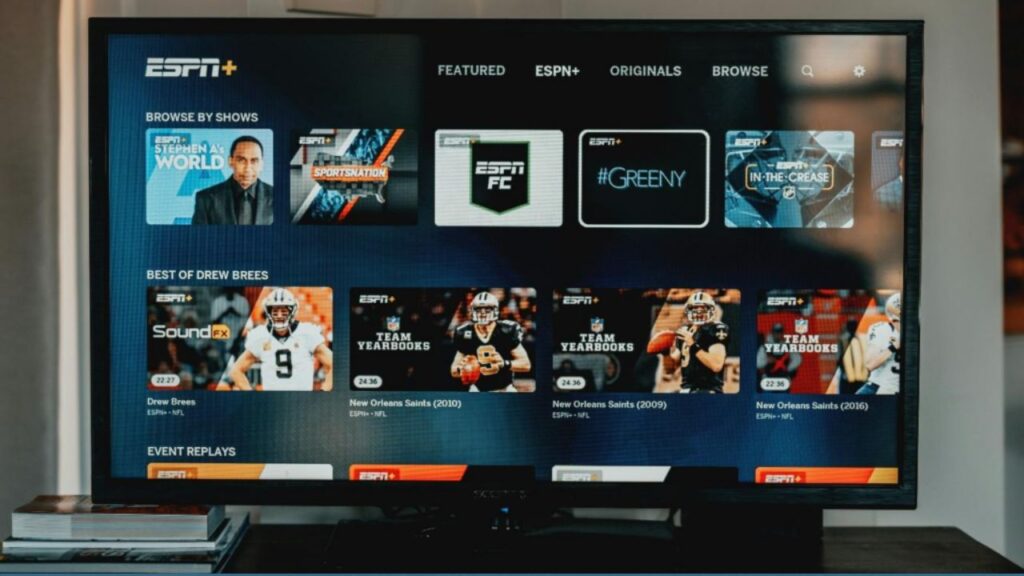
Once you enter the ESPN website, you see that the top side of the platform gives you the most popular sports. Looking to the right, you have the possibility to access the newly anointed and released ESPN streaming app (not the most creative branding), and then the possibility to access ESPN Bet and their Fantasy sports service.
Once you look into the simulcast of a certain game week, regardless of sport, you’ll see a bit of data about an event. Football odds as probability tools are an established element of many sports platforms at this point. However, the underlying element is seeing both the spread betting line and total, which are odds set up by ESPN Bet itself.
This means that, once you get all the game data from the leading broadcaster in the USA, you have a direct level of encouragement to bet. This is a huge deal since the ESPN site is one of the most popular ones when it comes to stats-watching, especially if you want to use them in conjunction with actual gametime tape.
The most interesting thing that we can look forward to is the idea of direct betting opportunities during the viewership process. The ESPN streaming app is a new horizon that can be the portal that sets the tone when it comes to one major aspect: integration.
The role of AI and the considerations of automated processing
One of the biggest elements that we see integrated with the help of AI is the curated version of SportsCenter. This well-established part of the ESPN watching experience provides highlights based on your specific preferences. As you will see, there is a very strong sense of progress with personalization, using AI to identify what you want based on what you accessed in the meantime.
In fact, the ‘streaming game pass’ is a concept that ESPN Bet VP Mike Morrison considers possible as a method of gamifying the betting process. The subject of betting, which is the sports one would wager on, would open up exclusive viewership rights for a bettor who does not have a subscription for the full experience.
The idea is a follow-up of the broader concept that Jay Snowden, CEO of PENN, considers an upgrade in personalization and differentiation as a saving method of ESPN BET. This means that using AI to leverage data management and pattern recognition would integrate this type of identification tactic to provide both viewership and betting personalization.
A bettor would be able to wager on the sports that they’re watching directly within the broader ESPN app. With this type of integration, AI-powered processing would identify the type of interest that a bettor has: the data they analyze (prop betting opportunities), not to mention the type of schedule that they adopt when they’re watching bets for elements like personalized notifications and personalized opportunities.
Conclusion: Ethical considerations of a varied kind
There are completely obvious elements that go into the ethical and protection-based arguments against this principle.
Firstly, we need to remember that age verification is absolutely important, but it’s not perfect. A minor who has access to an adult’s logged-in app can very easily use this type of model, not necessarily to bet, but as a form of exposure. It goes beyond the current type of exposure that we see via advertisement.
Secondly, we’d need to mention the possibility of intrusive elements. There may be continuous recommendations to try bets even for a regular user who is not into gambling. It would require clear settings that give the user the chance to avoid gambling content, especially if they choose (or have a good reason) to do so.
Lastly, we must talk about the reality that we spoke about in this article’s introduction: the propagation of this type of model. There are many big-money operators who may be willing to partner with regional or national broadcasters around the world to create a similar level of integration. It can be a current that can generate issues of a varied kind.
If you’re the type of person who would actually like to use such a model, we encourage you to play responsibly!






