How to Use an Electrical Heat Gun for Pipe Fitting and Maintenance
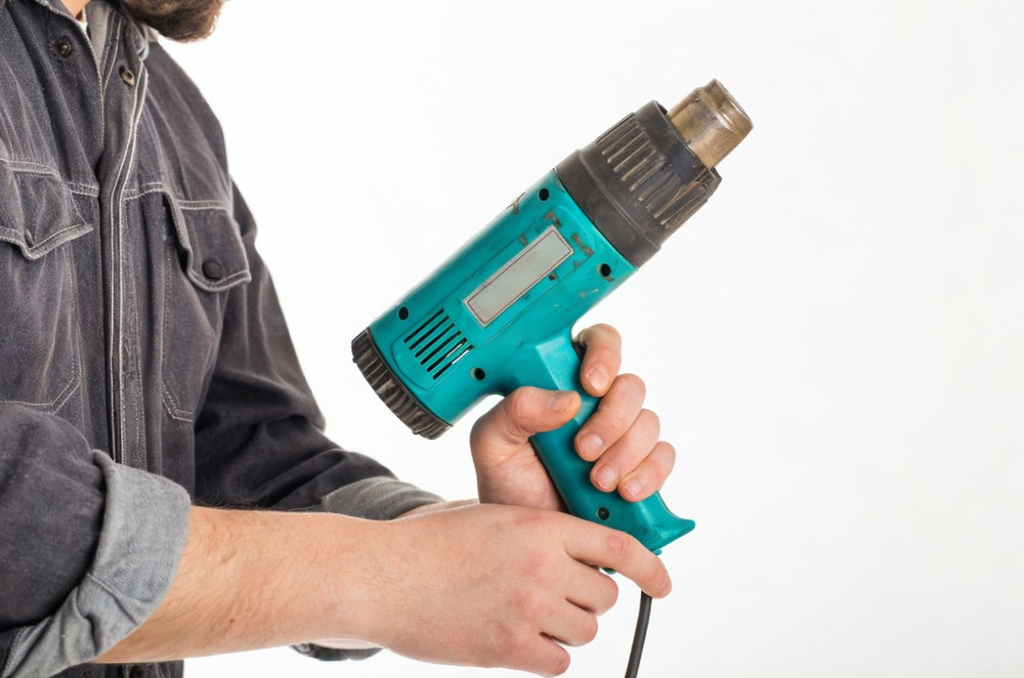
Modern plumbing aims to provide smart technologies and sustainable solutions to ensure long-term and high-impact services. In this post, we will explore the professional use of a heat gun for plumbing maintenance and pipe fitting practices, as well as the safety tips and proper techniques.
Research shows that by 2030, the global plumbing industry will reach $120.9 billion (CAGR: 4.5%). Modern plumbing tools, such as tube benders, pipe cutters, and press tools, have improved professional plumbing practices by ensuring durability, speed, and precision. Precision tools decrease the risks of errors, protecting residencies and other establishments from leaks, while the cutting tools result in durable connections and professional installation.
What Is an Electrical Heat Gun?
An electrical heat gun is a hot-air-emitting device with an elongated body. It comprises a comprehensive source of high-temperature heat, mostly heated by electric elements. It is exclusively shaped for several purposes, such as heat-concentrating in a small surface area or pipe-thawing. A pistol grip trigger is used to apply the heat as per requirements.
Features of Plumbing-grade Heat Guns
● Reflector Nozzle: Wrapped around pipes and beneficial for copper pipe-soldering and bending plastic tubes.
● Reducer Nozzle: Heat is flown in concentrated steam and is valuable in high-heat requirements.
● Hand-free Operations: The stable base keeps users’ hands free, effective for pipe manipulation; controlled and well-precise heat application.
● Thermal Cutoff: An automated in-built process, protecting the tool from overheating, which causes damage.
● Safety Cord: A grounded power cord, oil-resistant in nature.
Difference Between Heat Guns and Blow Torches
Here are the key differences between blow torches and heat guns.
| Feature | Heat Gun | Blow Torch |
| Source of Heat | Electric elements | Gas (open flame) |
| Temperature Control | Adjustable. precise | Limited |
| Indoor sustainability | Sustainable, not at risk of fire | Not completely safe, risk of fire. |
| Pipe Compatibility | PEX, PVC, and CPVC | Metal (e.g., copper) |
| Safety Risk | Low | High |
Table 1: Key Differences: Blow Torch and Heat Gun
Reasons Why Professionals Use Heat Guns in Modern Plumbing
● Zero fire hazard. It is safe and well-controlled, and valuable in water line defrosting.
● Pliable pipes (PVC and plastic), ensuring smooth installations and time-saving.
● Paint and adhesive elements are easily removed by electrical heat guns, which is cost-effective and valuable during renovation and construction work.
● The application of optimum heat improves PVC fittings or joints, ensuring their durability for long-term use.
The reason why plumbing professionals prefer heat guns as a plumbing tool:
1. Safety
Compared to blow torches, electrical heat guns ensure more safety as they do not use open flames. Since the flames could be dangerous in closed environments, plumbers prefer heat guns.
2. Control and Precision
The control in application and precise use of temperature protects pipes from major damage, enhancing their durability and utility.
3. Efficiency
Effectively speed up plumbing tasks, such as drying, bending pipes, and removing adhesive or any other unsolicited materials, which increase the job efficiency with real-time values.
4. Versatility
A wide range of tasks, not just the application of heat, such as welding plastic or removing adhesive materials, can be done using heat guns.
Types of Pipes Compatible with Heat Gun Use
Electrical heat guns are mostly compatible with copper and plastic pipes (PEX A, PVC), allowing plumbing requirements, such as shaping, bending, soldering, and heat-shrinking. In cases of plastic pipes, heat guns loosen materials for repairing and bending, while heat-shrink tubing is effective for copper pipes.
Note: It is important to use accurate temperature and nozzle settings, based on the type of pipes, to avoid any mechanical or functional issues and achieve better results.
Plastic Pipes
● PVC: Heat guns are widely used in bending PVC pipes and creating customized shapes as per DIY or plumbing projects. The heat effectively melts and softens rigid compounds.
● PEX A: Ideal to fix kinks, as heated with electrical guns, is effective for PEX A plastic pipes to regain their individual shapes.
● General Plastic Tubing: Without any damage, heat electric guns can bend plastic pipes and soften them as per industrial requirements.
● ABS Plastic: Pliable for bending, welding, and molding. However, ABS plastic needs precise and controlled temperatures (minimum temp. 160-190°C), while if exposed for long periods, it would experience damage.
Copper Pipes
● Heat-shrink Tubing: With insulating and proactive layers, heat guns ensure heat-shrink tubing, which is valuable for creating better designs and ensuring durability.
● Soldering: An electric heat gun is highly used for soldering copper pipes, ensuring its use in industrial practices and for plumbing tasks.
| Pipe Material | Maximum Temperature | Application |
| PVC | 250–350°C | Joint fitting, bending, and welding. |
| CPVC | 300–400°C | Industrial applications |
| PEX | 200–300°C | Expansion and fitting |
| ABS | 200–250°C | Loosening or shaping |
Table 2: Different Types of Pipe Materials, Application, and Temperature
How to Prepare for Pipe Fitting with a Heat Gun
Step 1: Gather Supplies and Prepare the Workspace
● Key Tools: Gloves, electric gun, replacement pipes, safety glasses.
● Workplace: Well-ventilated area and clear work zone.
Step 2: Prepare Fitting and Pipe
● Make sure the fitting ends and pipes are clear and free of debris.
● Use work gloves to keep your hands safe from the heat.
Step 3: Heat Pipes and Fitting
● Warm the electrical heat gun.
● Apply the heat in an even manner, and in this regard, use the gun nozzle back and forth around the section of the pipe.
● Rotate the pipe to ensure the distribution of heat across different sections.
● Monitor the pipe closely to adjust the speed or distance.
Step 4: Test and Make it Ready for Joining
● Closely check the pliability of materials, whether they are ready for fitting or not.
● Make sure that the pipe is appropriately positioned and joined.
Summary
The use of electrical heat guns in modern plumbing has been a popular approach, as they are safe to use compared to blow torches. Using heat guns as a key plumbing tool is beneficial to manage leaks and damage in different types of plastic and copper pipes. The controlled and well-precise use of heat guns protects the quality of pipes and their durability. The heat guns offer versatile solutions, which have made it more useful and popular in the plumbing industry.