Interior Painting: The Ultimate Guide to Refresh Your Home’s Interior
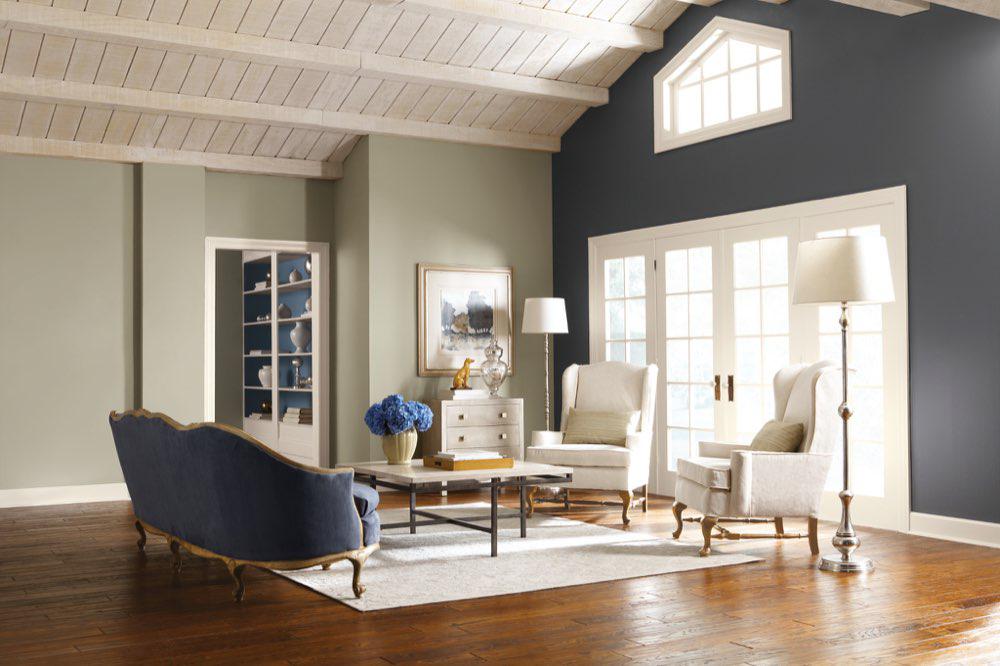
Interior painting is one of the most effective and affordable ways to update your home’s appearance, personalize your space, and protect your walls. Whether you want to repaint a single room or give your entire house a makeover, understanding the process and best practices will help you achieve professional-quality results.
This comprehensive guide will cover everything from choosing the right paint and colors, preparing your space, to painting techniques and maintenance tips.
Why Interior Painting Matters
Painting the interior of your home offers several important benefits:
- Personalization: Express your style by selecting colors and finishes that reflect your taste.
- Protection: Paint safeguards your walls from wear, moisture, and stains.
- Value Addition: Fresh paint boosts your home’s market appeal and resale value.
- Mood Enhancement: Colors influence emotions; bright colors energize, while soft tones soothe.
Choosing the Right Paint for Interior Walls
Selecting the right type and finish of paint is critical for appearance, durability, and maintenance.
Types of Paint
- Latex (Water-Based) Paint: Most commonly used due to ease of application, quick drying, and low odor.
- Oil-Based Paint: Offers a smooth, durable finish but takes longer to dry and has stronger fumes.
- Acrylic Paint: Similar to latex but with better adhesion on tricky surfaces.
Paint Finish Options
- Flat/Matte: No shine, hides imperfections well but not very washable. Good for ceilings and low-traffic areas.
- Eggshell: Slight sheen and more washable than flat; great for living rooms and bedrooms.
- Satin: Smooth finish with moderate sheen and durability; ideal for kitchens and bathrooms.
- Semi-Gloss: Noticeable shine, very durable and easy to clean; excellent for trim and doors.
- Glossy: High shine and highly durable but shows imperfections; used for accents and trim.
Preparing for Interior Painting
Preparation is the foundation of a successful paint job.
1. Clear the Space
Remove furniture or move it to the center and cover with drop cloths. Take down curtains, artwork, and switch plates.
2. Clean the Walls
Dust and grease can prevent paint from adhering properly. Wipe walls with a mild detergent or degreaser and let dry.
3. Repair Wall Imperfections
Fill holes, dents, and cracks with spackle or filler. Sand smooth once dry.
4. Protect Floors and Fixtures
Use painter’s tape to mask trim, windows, outlets, and switch plates. Cover floors with drop cloths.
Tools and Materials Needed
- Quality paint and primer
- Paintbrushes (angled sash brushes for trim and corners)
- Rollers with appropriate nap length for wall texture
- Paint trays
- Sandpaper and sanding blocks
- Drop cloths
- Painter’s tape
- Ladder or step stool
Step-by-Step Interior Painting Process
1. Prime the Walls
Primer helps paint stick better, hides stains, and evens out the surface. Use it especially on new drywall or when switching colors drastically.
2. Cut In the Edges
Using an angled brush, paint along trim, corners, and ceilings to create clean borders.
3. Roll Paint on Walls
Use a roller for large areas, working in sections. Roll in a “W” or “M” pattern to spread paint evenly and avoid streaks.
4. Apply Multiple Coats
Two coats usually provide the best coverage and color richness. Allow adequate drying time between coats.
5. Remove Painter’s Tape
Once the paint is dry to the touch, carefully remove the tape to avoid peeling.
6. Clean Up
Wash brushes and rollers immediately after use. Remove drop cloths and replace hardware and furnishings.
Color Selection Tips
Choosing the right color can dramatically affect your space:
- Light Colors: Make rooms feel larger and brighter.
- Dark Colors: Add warmth and drama but can make spaces feel smaller.
- Neutral Colors: Timeless and versatile, ideal for resale.
- Accent Walls: Use bolder colors on one wall to create focal points.
Consider natural and artificial lighting when selecting colors to ensure your choice looks good throughout the day.
Common Mistakes to Avoid
- Skipping primer on raw or stained surfaces.
- Applying thick coats that drip or run.
- Painting without cleaning or repairing walls first.
- Using cheap brushes and rollers leading to uneven finish.
- Painting in poor lighting or humid conditions.
Maintaining Your Painted Walls
- Clean painted walls with mild soap and water.
- Avoid harsh scrubbing or abrasive cleaners.
- Touch up chips and scuffs promptly to keep walls looking fresh.
DIY vs. Hiring a Professional
DIY Benefits
- Cost-effective
- Full control over timing and color
- Satisfaction from completing the job yourself
DIY Challenges
- Time-consuming and labor-intensive
- Requires skill for best results
- Risk of uneven or messy finish
Professional Painting Benefits
- Expertise and high-quality results
- Faster completion
- Warranty on work
- Less stress and hassle
Final Thoughts
Interior painting is a powerful way to update and personalize your home. Proper preparation, quality materials, and the right techniques are key to achieving a beautiful, durable finish. Whether you choose to DIY or hire professionals, a fresh coat of paint can transform your living space and create an inviting atmosphere.