A Chef’s Touch: 5 Must-Have Luxury Features for Anyone Who Loves to Cook
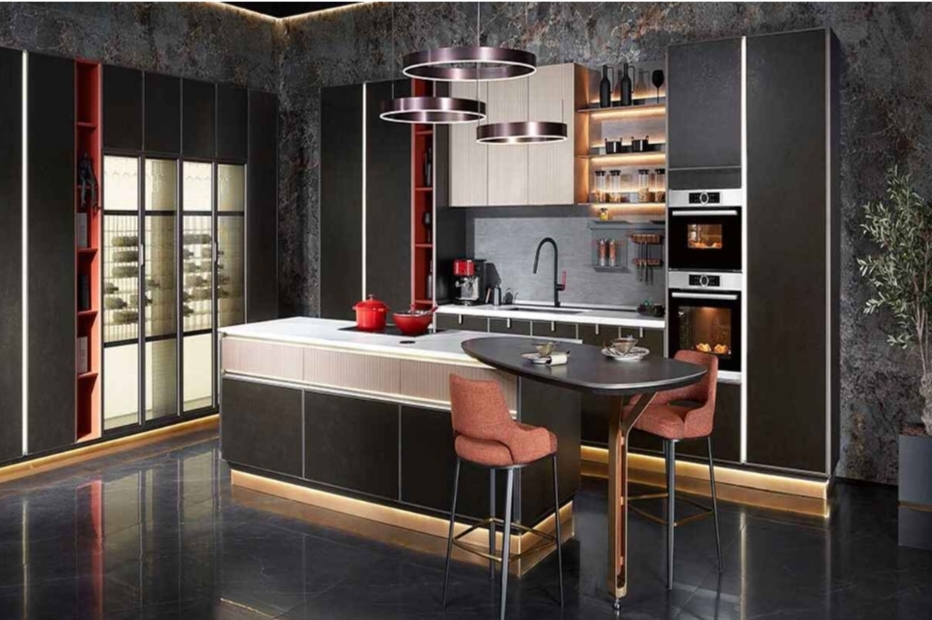
When I’m designing kitchens for clients who are serious about cooking, I quickly learned there’s a world of difference between a standard “looks pretty in photos” kitchen and one that genuinely supports culinary creativity. Having spent fifteen years designing spaces for everyone from casual home cooks to former restaurant chefs building their dream home kitchens, I’ve identified the luxury features that consistently make the biggest difference in both functionality and joy. These aren’t just expensive indulgences—they’re investments that transform the cooking experience.
1. The Professional-Grade Range: The Heart of Cooking Excellence
Nothing, and I mean nothing, impacts your cooking experience more directly than your range. It’s where the magic happens. Yet what often surprises people is that the key differences between standard and professional-grade ranges go far beyond BTUs and aesthetics.
True professional-grade ranges offer:
- Precision flame control that maintains exact temperatures
- Specialized burners designed for different cooking techniques
- Superior heat distribution that eliminates hot spots
- Recovery times that keep temperatures stable when adding cold ingredients
- Simmer capabilities that can hold delicate sauces without breaking
I had a client who initially balked at the price tag of a high-end range. “Can’t I just get something that looks similar but costs half as much?” she asked. Six months after we completed her kitchen with the professional range she eventually chose, she called specifically to thank me. “I had no idea cooking could feel this different,” she admitted. “It’s like I’ve been trying to paint with crayons all my life and someone finally handed me proper brushes and paints.”
When selecting a range, don’t be swayed merely by what looks impressive in a kitchen catalogue. Focus on cooking performance first, aesthetics second. The best ranges marry both beautifully, but never sacrifice function for form.
2. Considered Water: Beyond the Basic Sink
Water is the unsung hero of cooking, used constantly throughout the cooking process. Truly luxurious kitchens elevate the humble water sources to star status with:
The Chef’s Faucet
A true chef’s kitchen features a professional-grade faucet with:
- Pull-down spray with multiple functions
- Touchless operation for messy hands
- Instant filtered drinking water
- Pressure and temperature memory
The Pot Filler
Mounted directly above the range, a pot filler eliminates the dangerous task of carrying pots full of water across the kitchen. It’s one of those features that seems extravagant until you use it daily, at which point you’ll wonder how you lived without it.
The Secondary Sink
A prep sink, typically positioned in the island or secondary prep zone, keeps the main sink free and creates multiple workstations. In larger kitchens, this transforms workflow and allows multiple cooks to work efficiently.
Come to think of it, I should mention water temperature as well. Instant hot water dispensers provide 190°F water on demand—perfect for blanching vegetables, making tea, or kick-starting pasta water. It’s a small luxury that saves surprising amounts of time.
3. Strategic Storage: Everything in Its Perfect Place
Generic cabinet layouts force you to adapt your cooking style to your storage. Truly luxurious kitchens do the opposite—they adapt to how you cook with customized storage solutions.
When I begin designing storage for serious cooks, I start by asking detailed questions about their cooking habits. Do they bake regularly? Are they collectors of gadgets or minimalists? Do they preserve or ferment foods? Each cooking style demands different storage considerations.
Luxury storage solutions include:
- Appliance garages with lift-up doors and interior outlets
- Specialized drawers for spices, oils, and vinegars
- Knife block drawers that protect fine cutlery
- Pull-out shelving that brings items from deep cabinets forward
- Climate-controlled drawers for items like chocolate and cheese
- Custom inserts for specific cookware collections
I always recommend clients visit a reputable cabinet dealer who specializes in kitchen systems rather than just cabinetry. The difference is profound—it’s like comparing a custom-tailored suit to something off the rack. The best dealers will walk you through full-sized mockups and let you test drive different mechanisms before committing.
4. The Intelligent Island: Designed for Workflow, Not Just Seating
Islands have become standard in most kitchens, but a true chef’s island functions as command central rather than just additional counter space or a breakfast bar.
The perfect chef’s island incorporates:
- A secondary prep sink with disposal
- Integrated cutting boards that can be easily sanitized
- Outlets positioned for small appliances
- Accessible storage for frequently used items
- Varied heights for different tasks
- Durable surfaces that can handle hot pots, knife work, and food stains
The dimensions matter tremendously. Too narrow, and you can’t work comfortably from both sides. Too wide, and you waste steps reaching across. Too long, and you waste energy walking around it. The ideal island is proportioned specifically to your kitchen’s workflow and your height.
And here’s something most people overlook—material transitions. An island that combines materials (like a section of marble for pastry work alongside more durable stone or wood for general prep) offers specialized zones without compromising durability.
5. Lighting That Actually Lets You See What You’re Doing
I can’t tell you how many beautiful kitchens I’ve seen with utterly impractical lighting. Serious cooking requires serious illumination—not just ambient mood lighting.
A chef-worthy lighting scheme includes:
- Task lighting that eliminates shadows at all work surfaces
- Under-cabinet lighting positioned toward the front of cabinets, not the back
- In-cabinet lighting for deep storage areas
- Adjustable lighting levels for different cooking tasks
- Natural daylight whenever possible
But frankly, even more important than the fixtures themselves is their placement. Poorly positioned lighting creates shadows exactly where you don’t want them—like between you and your cutting board. I always design lighting based on where people will actually stand when working, not based on symmetry or general room layout.
I learned this lesson the hard way in my own kitchen renovation years ago. I selected beautiful pendant lights that looked perfect in the design but cast annoying shadows directly on my primary work area. I lived with them for exactly two weeks before replacing them with more practical (and still attractive) alternatives. It was an expensive lesson in prioritizing function.
Beyond the Big Five: The Finishing Touches
While the five features above form the foundation of a true chef’s kitchen, several smaller details can elevate the cooking experience further:
- A dedicated composting station that doesn’t smell
- A vacuum sealer drawer for food preservation
- A built-in digital scale
- An herb garden with proper growing lights
- Integrated timers visible from all cooking positions
- A digital recipe display that stays clean while cooking
The Intangible Element: Space to Create
Beyond all the specific features, truly luxurious cooking spaces share one critical quality—they provide room to think. A cluttered, cramped kitchen stifles creativity and makes cooking feel like a chore. The most luxurious kitchens I’ve designed aren’t necessarily the largest or most expensive, but they all offer breathing room—both physical and visual—that allows the cook to focus on the joy of creating rather than the logistics of managing the space.
After all, isn’t that what cooking is really about? The pleasure of creation, the satisfaction of nurturing others, and the simple joy of transforming ingredients into something greater than the sum of their parts. The best luxury features aren’t just impressive specifications on a list—they’re tools that enhance that fundamental human experience.