Halal Turkey: A Complete Guide for Mindful Consumers
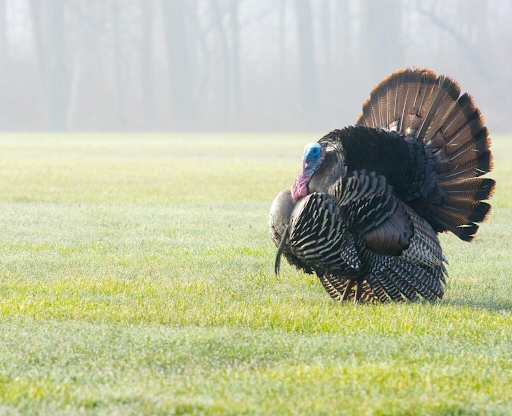
Turkey is a popular choice for family meals and holiday feasts around the world. For many Muslims, however, its presence on the dinner table brings an important question: Is Turkey halal in Islam? Ensuring the meat you serve aligns with Islamic principles is a matter of both faith and ethics, especially when sharing a meal with loved ones. It’s about more than just the bird itself; it involves understanding the entire process from farm to table.
This guide will provide the clarity you need. We will cover the specific criteria that make poultry halal, how to verify certification, and the risks of cross-contamination. You will also learn what to look for in processed turkey products and gain practical tips for buying and preparing a truly halal turkey with confidence.
What Does Halal Mean in Food?
In Islam, “halal” means “permissible” and applies to all aspects of life. When it comes to food, halal dietary laws are rooted in the Quran and the Hadith (the traditions of Prophet Muhammad, peace be upon him). These guidelines are designed to ensure food is pure, wholesome, and prepared with respect for life.
The opposite of halal is “haram,” which means “forbidden.” Foods explicitly classified as haram include pork, blood, and animals not slaughtered according to Islamic law. The principles of halal food extend beyond the type of animal to the entire process, from how it was raised to how it was prepared. For more information, you can explore the extensive resources on halal principles at eQuran Zone.
Are Turkeys Halal by Default?
Yes, in principle, turkey is a halal animal. Islamic teachings categorize birds into two groups: predatory and non-predatory. Birds of prey that hunt with talons, such as eagles and hawks, are considered haram. Turkeys, like chickens and ducks, are non-predatory and do not fall into this forbidden category—answering the common question, Is Turkey halal in Islam?
However, the fact that the bird itself is permissible is only the first step. For its meat to be truly halal, it must be slaughtered and processed according to specific Islamic rules. Without this crucial step, the meat becomes haram, even if it comes from a halal animal.
Conditions That Make Turkey Meat Halal
The Islamic method of slaughter, known as dhabihah, is a precise process designed to be humane and to fulfill religious requirements. For turkey meat to be certified as halal, the following conditions must be met:
- Tasmiyah (Invoking Allah’s Name): The slaughter must be performed with the intention of pleasing Allah, and His name must be invoked just before the act by saying “Bismillah” (“In the name of Allah”). This sanctifies the act and acknowledges that life is taken only by His permission.
- Qualified Muslim Slaughterman: The person performing the slaughter must be a sane, adult Muslim who understands and follows the rules of dhabihah.
- A Swift Cut: The slaughterman must use a razor-sharp knife to make a quick and deep incision across the throat, cutting the windpipe, esophagus, and the two jugular veins. This method is designed to cause a rapid loss of consciousness and minimize the animal’s suffering.
- Complete Blood Drainage: After the cut is made, the animal’s blood must be drained completely from the carcass. Consuming blood is strictly forbidden in Islam, and this step ensures the meat is pure and clean.
Only when all these conditions are strictly followed can turkey meat be considered halal.
The Modern Challenge: What About Stunning?
In many large-scale commercial processing plants, stunning is used to render an animal unconscious before slaughter. This practice raises questions among Muslims about whether it invalidates the halal status of the meat.
Most Islamic scholars and certification bodies agree that stunning can be permissible under very specific conditions. The key principle is that the stunning method must not kill the animal. If the bird dies from the stunning process before the dhabihah cut is performed, its meat is considered haram.
Halal certification agencies often have supervisors on-site to ensure:
- The stunning method (whether electrical or gas) only immobilizes the bird.
- The bird is still alive at the moment of slaughter.
- The slaughter itself is performed according to all dhabihah requirements.
This oversight provides a level of assurance that modern industrial practices can align with timeless Islamic principles.
Understanding Halal Certification: What to Look For
With so many products on the market, halal certification is the most reliable way for consumers to verify that a turkey meets Islamic standards. Reputable certification bodies inspect the entire supply chain, from farm to fork. When you see a halal symbol on a package, it should signify that:
- Diet: The turkeys were fed a vegetarian diet free from animal by-products or other haram substances.
- Segregation: The halal turkeys were raised, transported, and processed separately from non-halal animals to prevent any cross-contamination.
- Hygiene: The processing facility adheres to strict hygiene and sanitation standards.
- Traceability: The final product can be traced back to its source, ensuring accountability at every step.
Look for official certification logos on the packaging. Wording like “Certified Halal” or “Guaranteed Halal” accompanied by a recognized emblem offers more assurance than a simple “halal” claim from the manufacturer.
A Quick Shopping Checklist for Halal Turkey
When you go to the butcher or supermarket, keep these points in mind:
- Look for a recognized halal certification logo on the packaging.
- Buy from a trusted halal butcher who can answer your questions about their sourcing and slaughtering process.
- Read the ingredients list to check for any haram additives, such as certain broths or marinades containing alcohol or pork derivatives.
- If buying from a deli counter, ask if they use the same slicer for halal and non-halal meats.
Nutrition and Cooking Ideas for Halal Turkey
Beyond its religious significance, turkey is a nutritious and versatile meat. It is an excellent source of lean protein, which is vital for muscle health, and is packed with essential nutrients like B vitamins, selenium, zinc, and phosphorus.
Here are three simple and delicious ways to prepare halal turkey in Muslim households:
- Classic Roast Turkey: A whole roasted turkey is perfect for family gatherings. Season it with herbs like thyme, rosemary, and garlic, and roast until golden brown. Serve with roasted vegetables and a simple gravy.
- Turkey Biryani: Use diced turkey breast or thigh meat to create a flavorful biryani. Marinate the turkey in yogurt and spices, then layer it with partially cooked basmati rice and steam until fragrant and cooked through.
- Spicy Turkey Shawarma: Thinly slice turkey breast and marinate it in a blend of lemon juice, garlic, and Middle Eastern spices. Pan-fry the slices and serve them in pita bread with tahini sauce, salad, and pickles.
Frequently Asked Questions (FAQ)
1. Is frozen turkey from a regular supermarket halal?
Unless it is explicitly marked with a reliable halal certification logo, you should assume it is not halal. Standard processing does not follow dhabihah rules.
2. Can I eat turkey at a restaurant?
You should only eat turkey at a restaurant if the establishment is certified halal or if they can provide clear proof that their turkey comes from a certified halal supplier. Always ask to be sure.
3. What about cross-contamination at home?
If you handle both halal and non-halal meats in your kitchen, use separate cutting boards, knives, and utensils to prevent cross-contamination.
4. Are turkey brines or gelatin additives halal?
Not always. Gelatin is often derived from pork or non-halal beef. Brines and marinades can contain alcohol. Always read the ingredient list carefully or choose a plain, unseasoned turkey.
5. As a Muslim, can I participate in Thanksgiving?
Absolutely. Thanksgiving is a cultural holiday centered on gratitude. Muslims can fully participate by preparing a meal with a certified halal turkey, allowing them to share in the tradition while upholding their dietary principles.
Conclusion: Making Inclusive and Ethical Choices
Turkey can be a wonderful and fully permissible part of a Muslim diet. Its halal status depends entirely on adherence to the Islamic principles of slaughter and processing. By understanding what makes turkey halal, recognizing reliable certification, and asking the right questions, you can make informed choices with confidence.
Choosing certified halal turkey is about more than following rules; it is an expression of faith, a commitment to ethical treatment of animals, and a way to ensure the food that nourishes your family is pure and blessed. It allows Muslims everywhere to blend their traditions with cultural practices, fostering a sense of community around the dinner table. To further your knowledge, consider the many educational resources available here at eQuran Zone.