Lost, Delayed, Misrouted: The Truth Behind the Rising Complaints in Home Deliveries
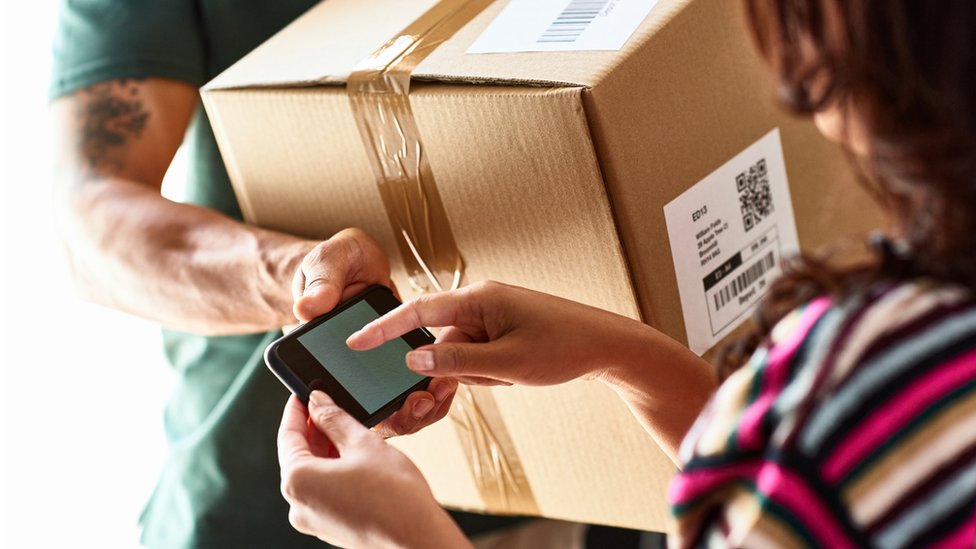
A Growing Crisis Hidden Behind the Doorstep
Home delivery used to feel like a simple promise: you buy something online, wait a few days, and it appears at your door. But as global e-commerce expands at record speed, that promise is becoming harder to keep. Complaints about lost parcels, unexplained delays, and misrouted shipments have surged, creating frustration for shoppers who increasingly rely on online purchases for everything from clothing to essential household items.
This rise in delivery problems has also brought more attention to tracking tools. For millions of shoppers, especially those buying from overseas retailers, services linked to epacket have become the only way to maintain visibility when a parcel passes through multiple carriers and international sorting centers. Even with this transparency, the root causes of lost and delayed shipments remain largely unknown to the average buyer.
Why Packages Disappear in Transit
Every lost parcel tells a different story, but many of the failures stem from the same pressure points in the logistics chain. The first is volume. The sheer number of packages moving through sorting centers has multiplied over the past decade, overwhelming systems that were never designed for today’s demand. When millions of parcels pass through a single hub each week, mis-scans and mislabeled items become almost inevitable.
Another key factor is the complexity of international shipping. A parcel shipped from Asia to Europe or the Americas can travel through five or more facilities, switching hands between several carriers along the way. Every handoff introduces risk. A missed scan, a label damaged by humidity, or a package placed in the wrong cargo container can easily send it hundreds of kilometers off course.
And once a parcel goes off its intended route, the process of locating it becomes significantly harder. Some items eventually reappear, but others simply vanish into the logistics maze.
The Last-Mile Problem
Even when packages survive international travel and make it to the destination country, the “last mile” can be the most unpredictable stage. Drivers face impossible delivery quotas, dense urban traffic, incomplete addresses, malfunctioning building entry systems, and growing porch theft.
In many cities, a single wrong apartment number or a missing access code can send a package back to the depot, delaying delivery by days. In rural areas, long distances and limited delivery windows increase the odds of misdeliveries or unsuccessful attempts.
To customers, these issues look like incompetence. To logistics workers, they reflect a system operating beyond its limits.
When Transparency Helps and When It Doesn’t
Services that centralize tracking data, like Ordertracker, give customers the visibility they expect, helping them follow their parcel even when it moves across borders and carriers. Transparency eases some of the anxiety by showing that a package is indeed moving, even slowly.
But tracking can only reveal part of the story. A packet stuck in customs might display the same status for days. A package misrouted to the wrong region might still appear “in transit.” And when a parcel goes entirely unscanned, tracking tools can only report the silence of the logistics chain.
In other words, transparency helps, but it doesn’t solve the structural issues behind lost and delayed deliveries.
Why Complaints Will Continue to Rise
Every year, consumers shift more of their shopping online. At the same time, supply chains are stretched by global events, labor shortages, transportation bottlenecks, and unpredictable spikes in demand. These pressures won’t disappear anytime soon.
Until logistics networks receive the technological upgrades and workforce stability they desperately need, delivery failures will likely keep rising. The challenge is no longer simply moving goods quickly; it is moving them accurately, consistently, and with clear communication.
The Road Ahead
Fixing the lost-package crisis will require a rethinking of global logistics. Better scanning systems, more resilient infrastructure, improved coordination between carriers, and smarter last-mile solutions are all necessary.
For consumers, the best defense remains information: tracking tools, clear communication, and realistic delivery expectations. While the system is far from perfect, visibility offers a measure of control in a process that often feels unpredictable.
Behind every missing parcel is a chain of human decisions, technological glitches, and logistical pressure points. Understanding what happens between the warehouse and the front door is the first step toward a future where delivery problems become the exception rather than the rule.