Talking Animals: How AI Brings Pets and Wildlife to Life
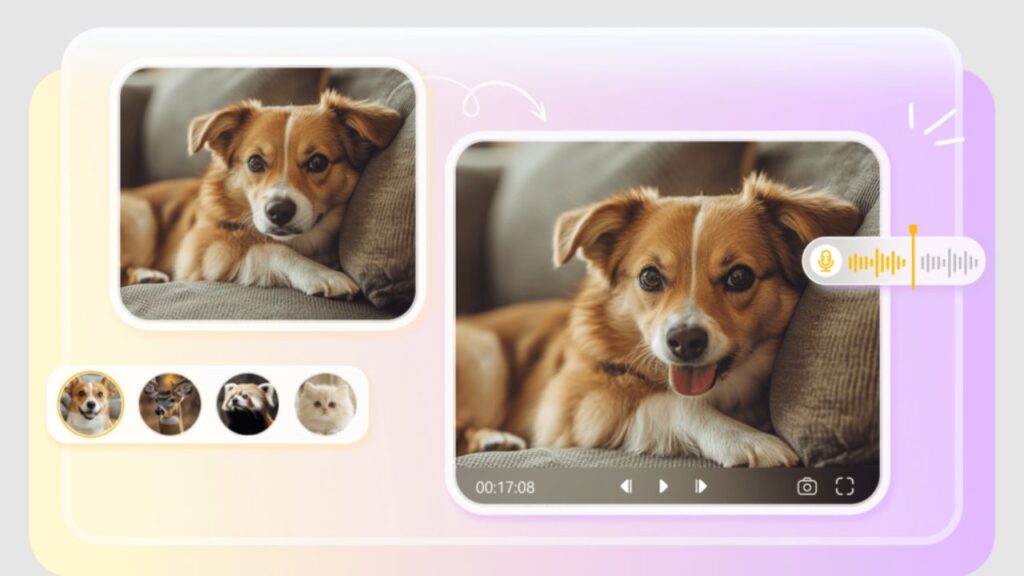
Picture this: you’re scrolling through social media and suddenly your dog “talks” like a human—giving advice, complaining about bath time, or reacting to your day. It sounds like a cartoon moment, but it’s now a real trend powered by AI.
Talking animal videos are everywhere—TikTok, Instagram Reels, YouTube Shorts, and even brand campaigns. And behind most of them is the same idea: AI can animate an animal’s face and sync it with speech so it looks like the pet (or wildlife) is actually talking.
In this guide, we’ll break down how AI talking animals work, how creators and brands are using them, and how you can make content that’s fun, shareable, and high-quality without complicated editing.
What “Talking Animals” Means in AI
In the AI world, “Talking Animals” refers to tools that:
- animate an animal’s face (usually the mouth area)
- match it to voice or text-to-speech audio
- generate a lip-synced video that looks natural and expressive
Instead of manual animation and frame-by-frame editing, AI does the heavy lifting automatically.
A popular option is the AI Talking Animals Generator, which lets users upload a pet or wildlife image and create a talking-style animation with speech synchronization—fast and with minimal effort.
How AI Talking Animals Work (Simple Breakdown)
Most talking animal tools follow a process like this:
- Upload an Image or Video
Start with a clear photo or short clip where the animal’s face is visible. - Add the Voice or Text
You can type what you want the animal to say (text-to-speech) or upload a voice recording. - AI Lip-Sync and Face Animation
The system detects facial structure and generates realistic mouth movements that match the audio. - Export and Share
Download the final video and post it directly to social platforms.
The biggest advantage is accessibility—anyone can make these videos, even without editing experience.
How Creators and Brands Use Talking Animals in Real Life
Talking animal content isn’t only for entertainment. It’s also an engagement tool. Here are common real-world uses:
1) TikTok and Instagram Creators
Creators use talking pet videos for humor, storytelling, and relatable “pet POV” content. These videos often perform well because:
- pets naturally draw attention
- lip-sync creates surprise and delight
- the content feels personal and shareable
2) Brand Marketing Campaigns
Brands are using talking animal videos to create emotional connection and stop-the-scroll moments. Imagine:
- a coffee brand with a “reviewing cat”
- a pet food company sharing tips through talking pets
- an animal charity using “talking wildlife” clips for awareness
This approach can feel lighter and more human than traditional ads—and often generates more comments and shares.
3) Viral Shorts and Reels
Short-form content thrives on quick hooks. Talking animals provide that instantly. Instead of filming multiple takes, creators can generate a polished, lip-synced video quickly and focus more on storytelling.
Key Benefits of AI Talking Animals Tools
Tools like AI Talking Animals Generator are growing fast because they offer practical benefits—not just novelty.
- Time-saving: No manual editing or animation required
- More creative freedom: Experiment with different scripts, voices, and personalities
- Higher engagement: Talking animal videos often get more shares and comments
- Professional-looking results: Clean output without needing advanced skills
- Fast content production: Great for creators who post frequently
Tips to Make Talking Animal Videos More Engaging
If you want your talking animal content to perform well, these tips help:
Use a Clear, Expressive Image
Choose a photo where the animal’s face is forward and well-lit. Clear eyes and a visible mouth area usually produce the best results.
Write Scripts People Relate To
The best talking animal videos feel like something humans would say—just funnier because it’s coming from a pet. Try:
- daily life complaints (“Why do humans vacuum?”)
- “advice” style videos
- reaction content (“When my owner says ‘vet’…”)
Match the Voice to the Personality
Experiment with tone, pitch, and speed. A confident voice can be hilarious for a tiny pet, while a calm voice suits a “wise” animal vibe.
Use Trends to Boost Reach
Use trending sounds, formats, or challenges. Even a simple talking animal twist on a trend can increase your chance of going viral.
Invite Audience Participation
Ask viewers what your pet should “say” next. Comments and replies increase engagement and help content spread organically.
The Future of AI Talking Animals
This trend is still evolving. As tools get more advanced, we’re likely to see:
- real-time talking animal filters for live streams
- more control over facial expressions and emotions
- deeper integration with AR/VR for immersive experiences
Over time, talking animals won’t just be a fun gimmick—they’ll become a stronger format for entertainment, education, and marketing.
Conclusion
AI talking animals have changed how people create and consume content. They make videos more engaging, more shareable, and easier to produce—whether you’re a creator trying to grow, a brand building awareness, or someone who just wants to have fun with a pet video.
With tools like AI Talking Animals Generator, you can turn a simple photo into content that feels alive, expressive, and story-driven—without spending hours on editing.