The Business Owner’s Guide to Commercial HVAC Repair: Diagnosing Issues and Preventing Downtime
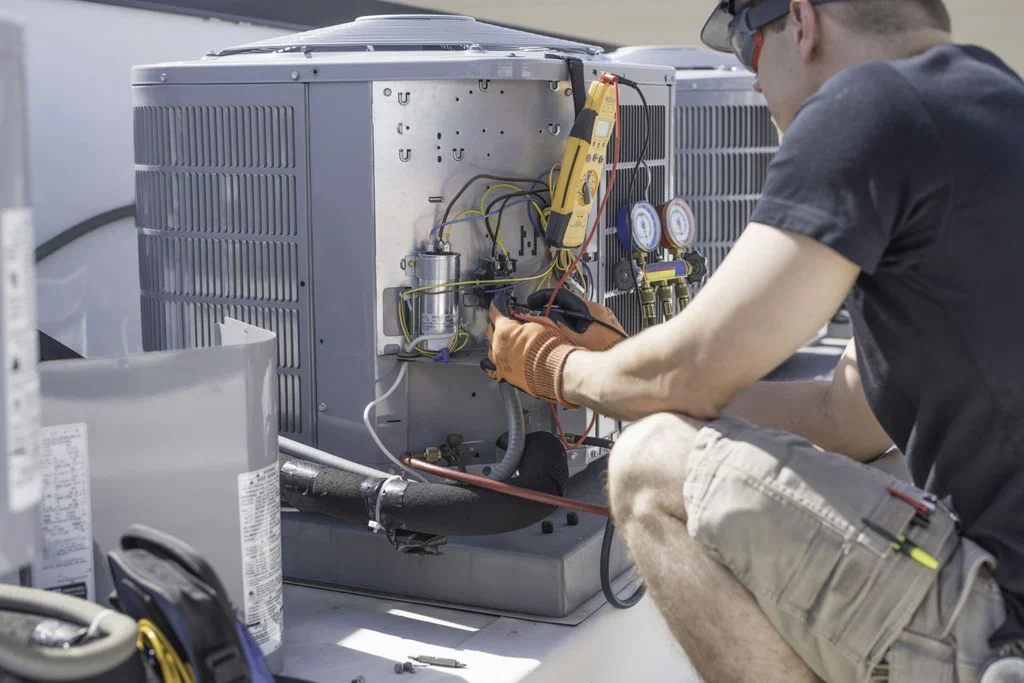
A commercial HVAC system is more than a comfort feature—it’s operational infrastructure. When it underperforms or fails, it can disrupt staff productivity, customer experience, and even sensitive equipment. That’s why understanding Commercial HVAC repair is essential for business owners who want fewer emergencies, lower operating costs, and stable building conditions year-round.
This guide breaks down how to recognize common problems early, what a proper diagnosis should include, and the practical steps that prevent downtime before it hits your business.
Why Commercial HVAC Systems Need a Different Approach
Commercial HVAC units run longer, serve larger areas, and operate under changing loads throughout the day. Offices, retail spaces, warehouses, and mixed-use buildings all place different demands on equipment. Because these systems are more complex—often with multiple zones, rooftop units, advanced controls, and heavier airflow requirements—small issues can become expensive failures faster than in residential setups.
The advantage for business owners is that many breakdowns are avoidable with early detection and a structured service strategy.
Early Warning Signs You Should Never Ignore
The best time to address HVAC problems is before they turn into downtime. Common red flags include:
- Hot/cold spots across the building (often airflow imbalance, zoning, or duct issues)
- Unusual noises like grinding, buzzing, rattling (loose parts, motor strain, electrical faults)
- Reduced airflow from vents (dirty filters, fan issues, duct blockage)
- Odors that linger (mold/moisture, drainage issues, burnt wiring, dirty coils)
- Unexpected humidity changes (ventilation or dehumidification problems)
- Energy bills rising without a usage change (inefficiency from failing components)
If you’re seeing multiple signs at once, the risk of an unplanned shutdown increases.
Why Diagnosis Matters More Than Quick Fixes
Commercial HVAC isn’t a “swap a part and hope” system. Surface-level fixes can mask deeper problems—then the same issue returns at the worst time.
A proper diagnosis typically includes:
- Electrical testing of components and connections
- Airflow measurements and static pressure checks
- Inspection of belts, motors, fans, coils, and drain lines
- Refrigerant level checks and leak detection (where applicable)
- Control and thermostat calibration
- Review of zoning performance and temperature differentials
Accurate diagnosis makes Commercial HVAC repair faster, more targeted, and more durable—reducing repeat callouts and surprise failures.
Preventive Maintenance: The Best Downtime Prevention Strategy
Preventive maintenance is often cheaper than even one major breakdown. A basic plan typically includes:
- Filter replacement (the simplest, most important step)
- Coil cleaning (helps efficiency and airflow)
- Lubrication of moving parts
- Belt inspection/tension adjustments
- Condensate drain cleaning to prevent overflow and mold
- Control system checks and calibration
The real value is catching small wear early—before it turns into compressor failure, motor burnouts, or major airflow collapse.
Seasonal Maintenance That Keeps You Ready
Melbourne-like “season swings” aren’t the only risk—every region has peak heating and cooling periods that strain systems.
- Pre-summer checks focus on cooling performance, condenser condition, and refrigerant-related efficiency
- Pre-winter checks focus on heating elements, burners, ignition systems, and safety controls
Seasonal readiness reduces emergency repair calls during the times when technicians are busiest and response times tend to be slower.
Efficiency Gains That Save Operating Costs
A struggling HVAC system often “works harder” to deliver less comfort. Dirty coils, failing motors, leaks, or miscalibrated controls push energy costs up quietly month after month.
Timely Commercial HVAC repair restores performance and reduces:
- utility waste
- strain on components
- premature equipment aging
- repeated service calls
Even small fixes—like replacing filters on schedule—can prevent major efficiency loss over time.
Indoor Air Quality: A Business Risk People Underestimate
Commercial buildings depend on HVAC for ventilation and filtration. If filters, ducting, or coils are neglected, systems may circulate:
- dust and allergens
- mold spores (often from moisture issues)
- odors and airborne irritants
Poor air quality impacts employee wellness, customer comfort, and workplace productivity. Regular maintenance keeps airflow, filtration, and humidity within healthy ranges.
How to Minimize Disruption When Repairs Are Needed
Business owners worry about service interruptions—and it’s a valid concern. A good HVAC provider will reduce operational impact by:
- scheduling repairs outside trading hours
- prioritizing critical zones first (server rooms, customer areas, staff workspaces)
- using temporary solutions when possible
- communicating repair timelines clearly
Downtime becomes much easier to manage when the repair plan aligns with your operational schedule.
Choosing the Right HVAC Service Partner
Not all contractors are equipped for commercial work. Look for a provider with:
- commercial certifications and experience
- clear reporting and transparent recommendations
- fast response for urgent issues
- maintenance plans tailored to your building type and usage
- strong documentation and service history tracking
A long-term partner is often more valuable than chasing the cheapest callout—because they understand your system’s history and recurring risks.
Repair vs Replacement: When to Stop Repairing
Sometimes the “repair cycle” becomes the problem. Consider replacement when you see:
- frequent breakdowns (especially during peak season)
- rising repair costs year-on-year
- declining comfort and efficiency
- parts becoming hard to source
- system age nearing end-of-life
- energy costs no longer make sense
A professional assessment should compare expected repair spend versus the benefit of upgrading to newer, more efficient equipment.
Using Technology to Prevent Failures
Modern systems can include smart controls and monitoring that help business owners:
- detect inefficiencies early
- identify unusual runtime patterns
- receive maintenance alerts
- improve zone scheduling (reducing wasted energy)
Even basic upgrades—like improved controls—can help you stay proactive instead of reactive.
Compliance, Safety, and Risk Control
Commercial HVAC systems must meet codes and safety standards. Poor repairs or neglected maintenance can cause:
- safety hazards
- regulatory issues
- liability risks
- fines or failed inspections
Working with qualified professionals ensures repairs are compliant and documented properly.
Build a Long-Term HVAC Plan That Protects Business Continuity
The best strategy is a structured plan, not random fixes. A practical long-term approach includes:
- scheduled inspections (quarterly or biannual depending on usage)
- documented maintenance logs
- seasonal readiness checks
- budgeting for future upgrades
- performance evaluations and efficiency reviews
Over time, this approach extends system lifespan, stabilizes costs, and reduces emergency downtime.
Conclusion
Commercial HVAC repair isn’t just about fixing breakdowns—it’s about protecting uptime, comfort, indoor air quality, and cost control. Business owners who recognize warning signs early, invest in preventive maintenance, and partner with experienced commercial HVAC professionals reduce disruptions and gain long-term stability