Signs of a Sewer Line Problem in Your Property
Owning a home is rewarding, but it also comes with a few hidden worries—especially when it comes to plumbing. A sewer line problem is one of those issues that can go from “minor inconvenience” to a messy, expensive emergency fast. The good news is that your home often gives you warning signs before things reach that point. If something feels off, contacting a Plumber in Magill early can prevent major damage and save you a lot of stress.
At James Devitt Plumbing, we’ve seen how small symptoms—ignored for weeks or months—turn into full-scale sewer backups. Because your sewer line protects your home’s sanitation and safety, knowing what to look for is the smartest first step.
Early Warning Signs to Watch For
Sewer line problems rarely appear out of nowhere. In many cases, your drains, toilets, and even your yard will start sending signals.
1) Slow Drains Throughout the House
A single slow sink is usually a local clog. But when multiple fixtures start draining slowly at the same time—kitchen sink, shower, bathroom basin—it can point to a blockage deeper in the main sewer line.
2) Gurgling Sounds From Drains or Toilets
Your toilet shouldn’t “talk” when you run the washing machine. Gurgling noises often mean air is trapped in the pipe because wastewater can’t move freely. This is a classic sign that a sewer blockage is forming.
3) Foul Odours Indoors or Outdoors
A sewer system should stay sealed, so smells remain contained. If you notice a sewage-like smell in the bathroom, laundry area, basement, or even outside near your property, it may indicate a crack, leak, or venting issue connected to the sewer line.
When the Problem Escalates
If early symptoms are ignored, the results can become far more disruptive—and costly.
4) Sewage Backups
This is the urgent scenario homeowners fear most. When the sewer line is fully blocked, wastewater has nowhere to go and can push back up through toilets, showers, or floor drains. If flushing the toilet causes water to rise in the shower or bathtub, treat it as an emergency.
5) Unusually Lush or Soggy Patches in the Yard
A bright green patch might look nice—until you realize it could be getting “fertilized” by leaking sewage. A sewer leak can also create soft, wet ground that smells unpleasant and may attract pests.
6) Cracks in Walls or the Foundation
In severe cases, long-term leaking can wash away supporting soil beneath your home. This can contribute to settling, leading to cracks in walls, flooring, or the foundation itself.
Common Causes of Sewer Line Problems
Understanding the causes helps explain why sewer issues shouldn’t be delayed.
Tree Root Intrusion
Roots search for moisture, and even tiny pipe cracks release vapour that attracts them. Once inside, roots expand, snag debris, create blockages, and can eventually damage or break the line.
Pipe Corrosion or Collapse
Older properties may have clay or cast-iron pipes that deteriorate over time. As they weaken, they can crack, corrode, or collapse—restricting flow and causing repeated blockages.
Ground Shifting or Soil Movement
Natural soil settlement, heavy rain cycles, or minor ground movement can misalign pipes, separate joints, or create low points where waste gets trapped.
Prevention Tips for Homeowners
While you can’t stop the ground from shifting, you can reduce your risk with smart habits.
- Only flush what’s safe: Toilet paper and human waste only. “Flushable” wipes still cause major clogs.
- Dispose of grease properly: Cooking oils and grease harden in pipes and trap other debris.
- Be mindful with landscaping: Avoid planting deep-rooted trees near the sewer line path.
- Act early: A recurring slow drain or smell is a reason to inspect—not ignore.
When to Call a Professional
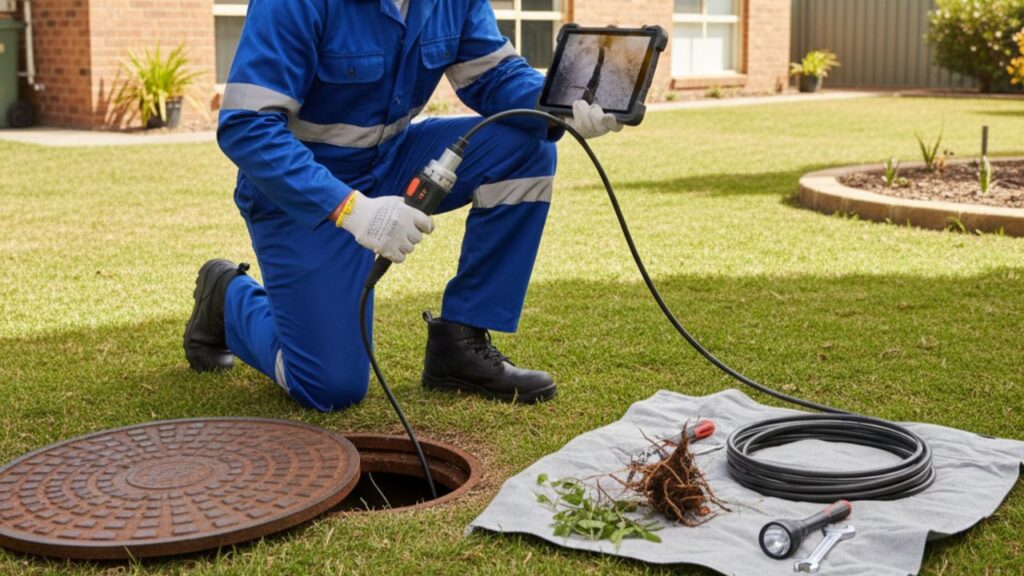
Sewer line problems aren’t a DIY fix. Proper diagnosis usually requires tools like sewer cameras, hydro-jetting equipment, and the experience to interpret what’s happening underground. Trying to “force” a fix can worsen the blockage or damage the pipe further.
If you’re seeing any of these warning signs, the safest move is to contact James Devitt Plumbing for a professional assessment. An experienced Plumber in Magill can locate the issue accurately and recommend the most cost-effective repair before it becomes a major incident.
Conclusion
Plumbing problems rarely resolve on their own—delaying action usually increases repair costs. If you notice slow drains throughout the house, gurgling toilets, unpleasant odours, or soggy patches outside, treat them as early signs of a sewer line problem. For fast, reliable support, reach out to James Devitt Plumbing and get the problem handled before it turns into a backup.