How Professional Translation Services Improve Global Communication
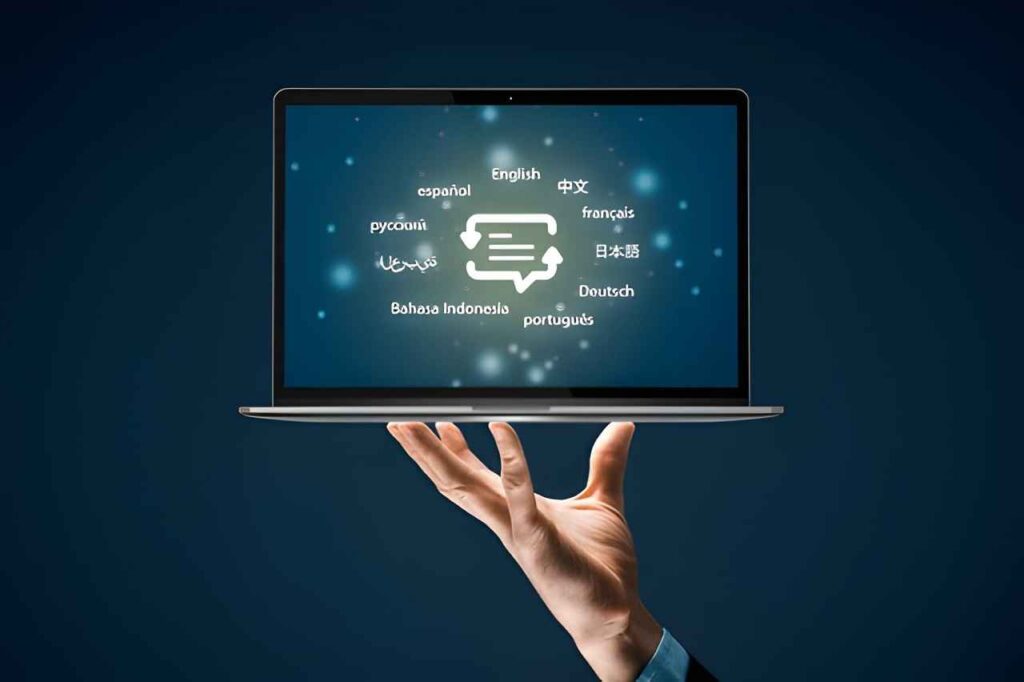
Global communication is faster than ever—but it’s also easier to get wrong. Businesses expand into new markets, governments coordinate across borders, and communities collaborate online in real time. When the language isn’t handled correctly, even a simple message can lose meaning, damage trust, or create costly confusion.
That’s why professional translation services matter. They don’t just change words from one language to another—they protect meaning, tone, and intent so communication stays clear across cultures.
Clear communication starts with accurate language
International communication depends on precision. Whether it’s a contract, a medical document, a customer support message, or a product manual, the smallest translation error can create real consequences.
Professional translators focus on:
- Meaning first, not word-for-word conversion
- Consistency across documents, especially for large organizations
- Correct terminology, especially in technical, legal, and medical content
- Clarity for the reader, so information remains easy to understand
This helps companies and institutions communicate confidently without risking misunderstandings that slow operations or harm relationships.
The human element behind global understanding
Machine translation can be helpful for quick, informal use—but it often fails when tone, nuance, and cultural context matter.
Professional translators bring:
- cultural awareness (what sounds respectful vs. rude)
- tone control (formal, friendly, persuasive, empathetic)
- context sensitivity (what the message is trying to do)
- subject expertise (industry terms and expected standards)
They act as a bridge between languages and cultures—so the message lands the way you intended.
Where professional translation makes the biggest difference
Some industries rely on translation not just for convenience, but for safety, compliance, and trust:
Business and trade
- proposals, sales material, product packaging, HR policies, training docs
- accurate translation protects brand image and avoids deal-breaking confusion
Legal and compliance
- contracts, court documents, immigration papers, regulatory filings
- mistakes can cause disputes, delays, or compliance risks
Healthcare and medicine
- patient instructions, clinical reports, consent forms, public health messaging
- accuracy can directly affect patient safety
Education and public services
- learning materials, research summaries, outreach campaigns, community resources
- clear translation makes information accessible and inclusive
Key advantages of using a professional translation service
Professional translation supports better outcomes because:
- your message stays consistent across languages and channels
- cultural misunderstandings are reduced or avoided
- specialized terms remain accurate and industry-appropriate
- your organization builds credibility with international audiences
- communication becomes smoother, faster, and easier to scale
Over time, this creates a stronger global presence and fewer costly mistakes.
How translation strengthens international relationships
Trust grows when people feel understood. When organizations invest in high-quality translation, they signal respect and professionalism. That improves:
- partner confidence during cross-border collaboration
- customer comfort and conversion in global markets
- internal alignment for multilingual teams
- long-term reputation as a reliable, global-ready organization
Translation isn’t just operational—it’s relational.
The role of agencies in today’s global landscape
A good translation agency is more than a vendor. It becomes a long-term communication partner that can help with:
- multilingual consistency (glossaries, style guides, terminology control)
- quality assurance (review, proofreading, formatting accuracy)
- localization support (adapting content to local expectations)
- scaling workflows (handling larger volumes without quality loss)
This support reduces internal workload and helps organizations move faster internationally.
A future where language is no longer a barrier
Translation continues to evolve—often combining human expertise with technology for speed, accuracy, and consistency. But the core requirement remains the same: communication must be trustworthy, culturally aware, and clear.
Organizations that use professional translation services aren’t just translating content—they’re building international trust, improving collaboration, and opening doors to global growth.