Commercial Landscaping Best Practices for Creating Functional, Attractive Outdoor Spaces
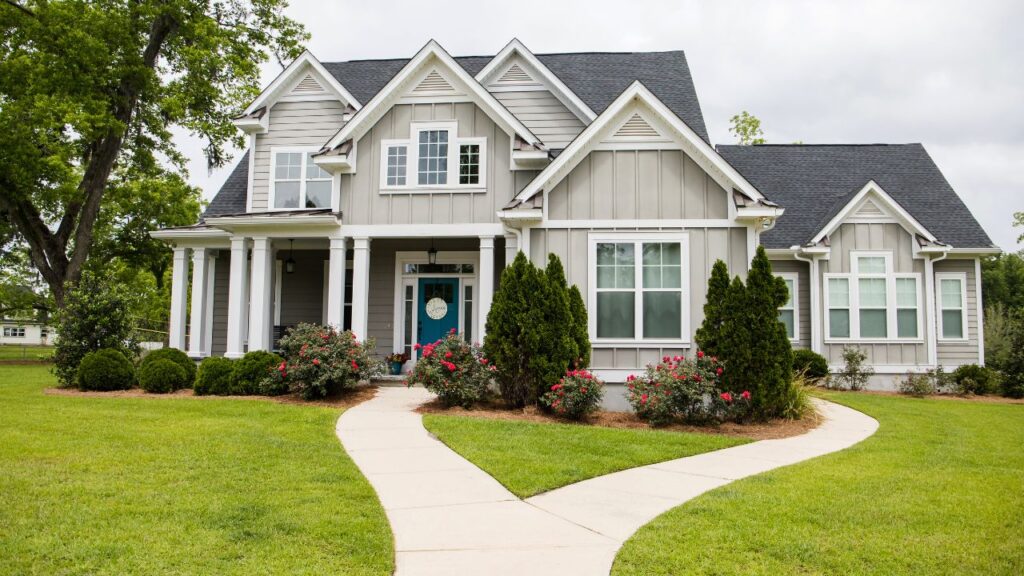
Commercial landscaping shapes how a business property is perceived. A well-designed and properly maintained exterior does more than improve curb appeal—it supports safety, functionality, and long-term property value.
From office parks and retail centers to industrial campuses and multi-tenant properties, landscaping decisions directly influence how people move through the site, how the space performs daily, and how easily it can be maintained.
This guide shares proven commercial landscaping best practices that balance aesthetics, durability, and performance so outdoor environments remain attractive, efficient, and aligned with business needs.
Understanding the Purpose of Commercial Landscaping
Commercial landscapes serve more people and face heavier wear than residential yards. They must handle high foot traffic, vehicle exposure, and constant visibility to customers, tenants, and staff.
Key goals usually include:
A professional and consistent appearance
Safe, accessible pathways and entrances
Efficient drainage and water management
Reduced long-term maintenance demands
A layout that supports the daily operation of the property
In short, commercial landscaping should be designed for use first and beauty second—because the best-looking landscape still fails if it creates safety issues or becomes too expensive to maintain.
Site Analysis and Planning
Every successful commercial landscape begins with a detailed site analysis. Before selecting plants or installing hardscapes, it’s important to understand:
Soil condition and quality
Drainage patterns and low points
Sun and shade exposure throughout the day
Existing infrastructure (utilities, signage, walkways, irrigation lines)
Traffic flow for pedestrians and vehicles
Planning should also account for local requirements and codes, including setback rules, sightline regulations, and accessibility standards.
Strong upfront planning prevents common issues like poor drainage, blocked visibility, plant failure, and overly complex maintenance costs.
Plant Selection for Durability and Visual Impact
Plant selection is one of the most important decisions in commercial landscaping because plants must look good and hold up under real-world conditions.
Best practices include:
Use native or climate-adapted plants whenever possible
Choose trees based on mature size to avoid conflict with buildings, signs, and utilities
Avoid shrubs that grow into walkways, entrances, or parking edges
Use ground covers where turf is hard to maintain or gets worn down easily
A balanced combination of trees, shrubs, and turf creates structure and depth while maintaining a clean, professional look.
Seasonal Considerations
Commercial properties need year-round curb appeal. The best approach is to build seasonal interest into the design using:
Evergreens for consistent structure
Ornamental grasses for texture
Plants with staggered bloom cycles
Low-maintenance seasonal color in limited, strategic areas
This keeps the landscape attractive without relying on constant replanting.
Efficient Irrigation and Water Management
Water management is essential for long-term landscape performance. Poor irrigation leads to plant stress, higher replacement costs, and damage to surrounding hardscape areas.
Modern best practices include:
Zoning irrigation based on plant needs (turf vs shrubs vs trees)
Using smart controllers to adjust watering by weather conditions
Ensuring proper spray coverage without overspray onto sidewalks or buildings
Regular system inspections to catch leaks and clogged heads early
Drainage planning matters just as much. A commercial site should direct water away from structures and high-traffic zones while preventing erosion and pooling.
Proper grading and the use of permeable surfaces help water move naturally and safely through the site.
Hardscaping for Structure and Accessibility
Hardscape elements connect landscaping to everyday use. Walkways, curbs, retaining walls, seating areas, and entry zones must be durable, safe, and easy to navigate.
Best practices include:
Clear, well-marked pedestrian routes
Slip-resistant materials for walkways
Durable construction that withstands heavy traffic
Layouts that define gathering spaces, entrances, and service areas
Compliance with accessibility requirements for public access
Well-integrated hardscaping increases usability and reinforces the professional appearance of the property.
Maintenance Planning as a Design Priority
Maintenance is not something to “figure out later.” It should be designed into the project from day one.
Landscapes that need constant pruning, frequent seasonal replacements, or specialized care can become expensive fast—especially across large commercial properties.
A practical design supports predictable, efficient maintenance such as:
Routine mowing and edging
Seasonal trimming and pruning
Fertilization and weed control schedules
Irrigation checks and adjustments
Debris removal and cleanup
The easier the landscape is to maintain, the more consistent it will look over time.
Safety and Visibility Considerations
Safety is a core concern for commercial properties. Landscaping should never create blind spots or block visibility around:
Parking lot entrances and exits
Intersections and driveway edges
Sidewalk crossings and pedestrian areas
Building entry points and loading zones
Trees and shrubs should be placed and maintained to preserve clear sightlines. Lighting must also remain unobstructed as plants grow.
Good landscaping can improve safety by guiding foot traffic, separating pedestrian areas from vehicles, and keeping public zones open and visible.
Sustainability and Environmental Responsibility
Sustainable landscaping benefits both the environment and long-term budgets.
Smart commercial sustainability practices include:
Lower-water plant choices
Mulching to reduce evaporation and improve soil health
Integrated pest management to reduce chemical use
Soil preparation that improves plant survival
Durable materials that reduce replacement and waste
These strategies reduce resource use while supporting healthier landscapes over time.
Local Expertise and Regional Adaptation
Commercial landscaping works best when it matches local conditions and regional standards.
For businesses needing Deerfield Beach commercial landscaping, coastal factors like salt exposure, high humidity, sandy soil, and intense seasonal rain must be considered.
That’s why working with professionals experienced in commercial landscaping Deerfield Beach FL projects matters—plant selection, irrigation design, and maintenance schedules should be built for South Florida environments to ensure long-term success.
About Gras Lawn
Gras Lawn is a commercial landscaping Deerfield Beach FL company providing reliable, professional outdoor solutions for businesses and commercial properties. Services include landscape design, installation, maintenance, irrigation management, and hardscaping for a wide range of commercial sites. Gras Lawn works closely with property managers and business owners to create functional, attractive landscapes that support long-term performance.