6 Preventive Dental Strategies That Support Healthy Teeth and Gums
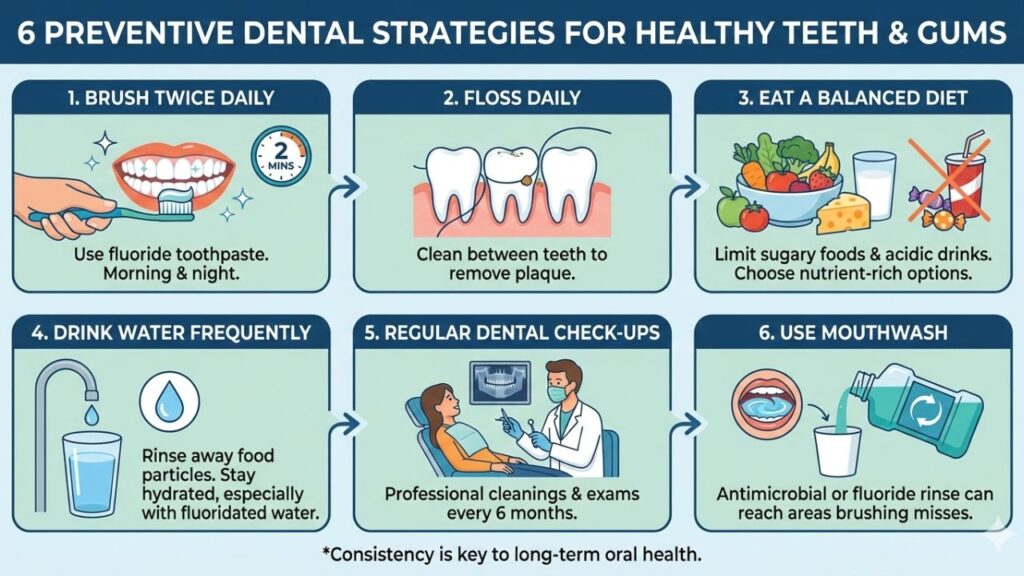
Healthy teeth and gums don’t happen by luck. They come from small, consistent choices that prevent problems before they start.
This guide shares 6 simple preventive dental strategies you can actually follow in real life. You’ll learn how daily habits like brushing, flossing, and smarter food choices reduce cavities and gum inflammation. You’ll also see why professional care matters, including cleanings, exams, and protective treatments like Warminster dental crowns that can help save a weakened tooth and prevent bigger issues later.
If you feel anxious about the dentist or unsure where to begin, you’re not alone. Start with one step today and build from there.
1) Brush the right way, twice a day
Brushing twice a day is important, but technique matters just as much as frequency.
Use this simple routine morning and night:
Use a soft-bristled brush and fluoride toothpaste
Brush for a full 2 minutes
Angle bristles toward the gumline (not straight down)
Clean front, back, and chewing surfaces of every tooth
Brush your tongue gently to reduce odor-causing bacteria
A good tip is to use small circular motions instead of aggressive back-and-forth scrubbing. Scrubbing too hard can irritate gums and wear enamel over time.
2) Floss once a day to clean where brushing can’t reach
A toothbrush can’t fully clean the tight spaces between teeth. That’s where plaque builds up quietly and can lead to gum irritation, bleeding, and cavities that are hard to see.
You can use string floss, floss picks, or a water flosser. The best tool is the one you’ll use daily.
Try this method:
Slide floss gently between teeth (don’t snap it)
Curve floss in a “C” shape around one tooth
Move it up and down under the gumline
Repeat for each tooth surface
If your gums bleed at first, it’s often a sign of inflammation. Stay gentle and consistent. Many people notice bleeding improves after a week or two of daily flossing.
3) Choose foods and drinks that protect your mouth
What you eat and drink affects your teeth all day long. Sugar feeds the bacteria that cause decay, and acidic drinks can weaken enamel.
A simple rule that works for most people:
Limit sugary drinks (soda, sweet tea, energy drinks, flavored juices)
Choose water most of the time
Eat more whole foods like vegetables, fruits, nuts, eggs, cheese, and yogurt
Also, try to reduce “constant snacking.” Frequent bites of sugary or starchy foods keep your mouth in a higher-risk state for decay.
You don’t need a perfect diet. You just need fewer sugar attacks and more tooth-friendly choices.
4) Keep regular checkups and cleanings
Home care is essential, but it’s not always enough on its own. Plaque can harden into tartar, and tartar can’t be removed with brushing at home.
Regular visits help your dental team:
Remove tartar buildup
Spot early cavities and gum disease
Check old fillings for wear or cracks
Review your brushing and flossing technique
Recommend preventive add-ons like fluoride or sealants when needed
Most people do well with checkups every 6 months, but some need more frequent visits depending on gum health, cavity history, or medical conditions.
Preventive visits also save money over time because early problems are usually simpler to fix than advanced ones.
5) Use protective treatments when your teeth need extra support
Sometimes your teeth need more protection than brushing alone can provide. Preventive treatments strengthen weak spots and reduce the risk of future damage.
Common protective options include:
Fluoride treatments to strengthen enamel
Sealants to protect deep grooves in back teeth
Crowns to cover and protect teeth that are cracked, heavily filled, or weakened
Crowns are not just a “repair.” They can prevent a tooth from breaking further and reduce the chance of deeper decay or infection. For example, Warminster dental crowns can help protect a vulnerable tooth so it stays functional and pain-free for years instead of turning into a bigger emergency later.
If your dentist recommends a crown, it’s often because the tooth is at risk of worsening without coverage.
6) Protect your mouth from injury and dry mouth
Teeth don’t only get damaged by cavities. Injury and dry mouth can also cause serious problems.
To prevent injury:
Wear a mouthguard for contact sports
Ask about a night guard if you grind your teeth while sleeping
Grinding can slowly crack teeth and wear them down, even if you don’t feel pain right away.
To prevent dry mouth:
Drink water throughout the day
Limit alcohol and tobacco
Ask your dentist or doctor if medications may be causing dryness
Saliva is protective. When saliva is low, cavities can form faster, and gum irritation can get worse. If your mouth often feels sticky or dry, don’t ignore it—early help makes a big difference.
Take the next small step today
You don’t need to change everything at once. Choose one strategy and start today:
Brush for a full 2 minutes tonight
Floss before bed
Swap one sugary drink for water
Schedule your next dental cleaning
Ask your dentist if a protective option like Warminster dental crowns is right for a weakened tooth
Small steps, repeated consistently, create long-term protection. With steady habits and timely care, you reduce pain, lower costs, and keep your teeth and gums healthier for years.