How to Install a Whole House Generator?

Reliable electricity has become a basic expectation in modern homes, supporting everything from food storage to remote work and home comfort. When outages occur, even for a few hours, daily routines can quickly become stressful and inconvenient. A whole house generator is designed to reduce that disruption by automatically supplying power when the grid fails. However, installing such a system is not just about buying equipment; it requires careful planning, coordination, and professional expertise. Understanding the process in advance helps homeowners make confident, informed decisions and avoid costly mistakes. In this article, the full installation journey is explained step by step, from early planning to long-term operation.
1. Start with the Right Plan
Why Professional Assessment Comes First
A professional assessment ensures that the generator system matches the actual electrical needs of a home. Electricians evaluate essential loads such as refrigeration, heating, medical devices, and network equipment to determine required capacity. This step prevents overspending on oversized systems or dealing with shortages during outages. Home layout, existing wiring, and future expansion plans are also considered during assessment. Starting with expert guidance creates a realistic foundation for the entire installation process. It also helps homeowners clearly understand which everyday appliances truly need uninterrupted power.
Choosing the Best Location and Fuel Type
Selecting the right installation location balances safety, accessibility, and noise control. Generators are typically placed outdoors with adequate clearance for ventilation and maintenance. Fuel type selection depends on local availability, long-term cost, and household preferences. Natural gas, propane, and gasoline each offer different benefits in storage and runtime. Thoughtful choices at this stage simplify daily use and long-term ownership. A well-chosen setup also minimizes disruptions to neighbors and family activities.
2. Navigate Rules and Permits
Understanding Local Installation Requirements
Local building codes and safety regulations strongly influence generator installation. Permits are usually required to ensure compliance with electrical, fire, and zoning standards. These rules protect both homeowners and utility workers from unsafe connections. Skipping permits can lead to fines, insurance issues, or forced removal of equipment. A compliant installation provides peace of mind and legal protection. It also ensures that future home inspections proceed smoothly.
Working with Your Utility Company
Coordination with the utility company is essential to prevent backfeeding into the grid. Utilities often require notification and inspection before activation. Proper isolation protects line workers during outages and ensures safe reconnection when power returns. Communication also clarifies metering, grid-interactive features, and outage protocols. Cooperation at this stage prevents technical conflicts later. Clear coordination reduces delays when the system is finally turned on.
3. The Professional Installation Process
Setting Up the Generator and Fuel System
Installation begins with placing the generator on a stable, weather-resistant foundation. Fuel lines or storage connections are installed according to safety standards and pressure requirements. Electrical conduits are routed to protect wiring from environmental damage. During this stage, installers verify grounding and bonding to prevent electrical hazards. Careful setup ensures dependable performance during emergencies. Attention to detail here directly affects long-term reliability.
Connecting the Automatic Transfer Switch
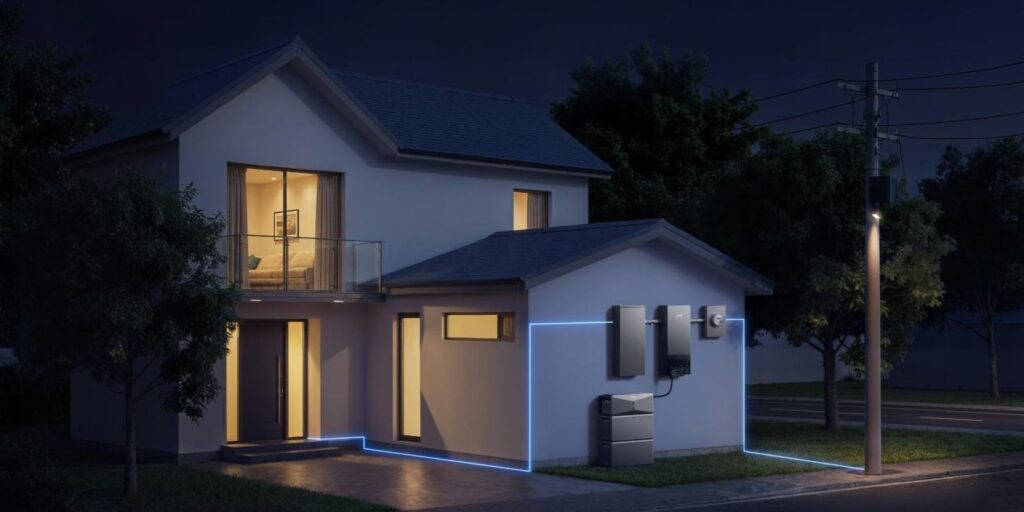
The automatic transfer switch acts as the system’s decision-maker during outages. It detects grid failure and shifts the home to backup power within seconds. Some modern setups integrate energy management components that coordinate batteries, generators, and grid input smoothly. In such configurations, solutions like the Anker SOLIX ecosystem can support continuous output around 7.6kW while managing 120V/240V split-phase power, helping large household loads start smoothly. Seamless switching keeps essential devices running without manual intervention. This level of coordination is especially valuable in a whole house generator setup.
4. Safety Checks and Final Setup
Testing Your New Backup Power System
After installation, comprehensive testing confirms that every component functions correctly. Simulated outages verify automatic startup and load handling. Installers check voltage stability, noise levels, and fuel flow under real conditions. Testing also identifies minor adjustments before real emergencies occur. This step transforms installation into a dependable system. It reassures homeowners that the system will respond as expected under stress.
Learning How to Operate and Monitor
Homeowners receive guidance on basic operation and monitoring tools. Understanding indicator lights, alerts, and maintenance reminders simplifies daily oversight. Smart monitoring allows users to track performance without constant attention. Clear instructions reduce anxiety during unexpected outages. Familiarity with controls improves long-term satisfaction. Confidence in operation encourages consistent and proper use.
5. After Installation: What to Expect
Regular Maintenance for Reliability
Ongoing maintenance keeps the generator ready when needed most. Routine checks include oil changes, battery inspection, and software updates if applicable. Seasonal testing ensures readiness before extreme weather. Well-maintained systems last longer and perform more efficiently. Consistent care protects the investment over time. Maintenance routines also help identify small issues early.
When to Call for Professional Service
Certain warning signs indicate the need for expert support. Unusual noises, delayed startup, or inconsistent power output should not be ignored. Professional service ensures repairs meet safety standards and preserve warranties. Timely intervention prevents small issues from becoming major failures. Reliable service support completes the ownership experience. Knowing when to ask for help avoids unnecessary risks.
Conclusion
Installing a whole house generator is a practical step toward energy security and daily comfort. The process involves thoughtful planning, regulatory compliance, professional installation, and ongoing maintenance. When properly installed, the system operates quietly in the background, supporting everyday life during unexpected outages. Integrated energy solutions, including battery-supported designs such as those offered by Anker SOLIX, demonstrate how modern systems can balance power, efficiency, and convenience without added complexity. With the right preparation and professional guidance, a dependable backup power system becomes a seamless part of a resilient home.