The Bond Market: A Quiet Conversation About the Future
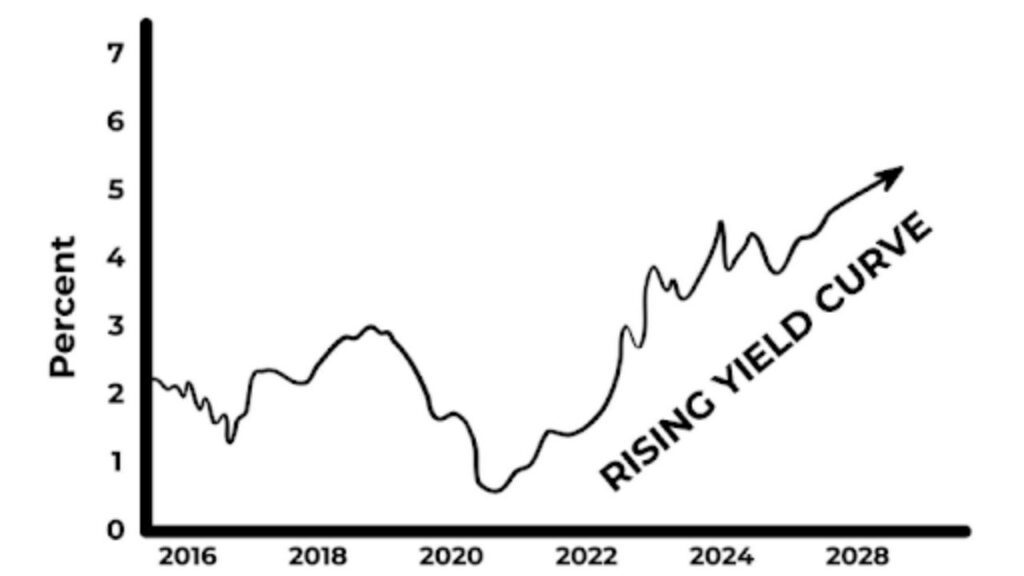
The bond market is like a giant betting arena where people lend money instead of trying to bet on horses. They sell bonds, which are basically promises to pay back the cash later, plus some extra interest. When bond prices go up, the interest rates (yields) go down, and the opposite happens too. It’s actually way bigger than the stock market, even though most people never think about it.
Let’s be honest about bonds
When people hear “bond market,” most eyes glaze over. Stocks feel exciting. Crypto feels wild. Bonds? They sound like something your uncle talks about at family dinners. But here’s the twist: the bond market is actually where some of the smartest, calmest thinking in finance happens. No drama. No hype. Just expectations.
The bond market is one big group opinion
Imagine millions of investors voting every day, not with words, but with money. Pension funds, banks, governments, hedge funds — they’re all placing bets on the same question: what’s coming next? Inflation? Recession? Slow but steady growth?
Bond prices and yields move based on that shared guess. That’s why people say the bond market reflects “collective expectations.” It really does.
What bond yields are actually saying
When bond yields go up, it’s not random. Investors are basically saying, “Things feel riskier right now.” Maybe inflation might stay high. Maybe interest rates won’t fall soon. So they want a higher return to feel comfortable.
When yields go down, it’s a different mood. Investors are looking for safety. They’re fine earning less if it means protecting their money. That usually happens when the economy feels shaky.
Inflation fears live inside bond prices
Inflation is like a slow leak in a tire — it quietly eats away at value. If investors think inflation will stay high, long-term bonds become less attractive, and yields rise.
But if inflation looks under control, yields often fall. The bond market isn’t arguing on social media about inflation. It’s calmly adjusting prices and moving on.
Recession signals you might miss
Here’s something interesting: when people start worrying about a recession, they often buy government bonds. It feels safer. More people buying bonds means prices go up and yields go down.
That’s why falling yields can sometimes feel uncomfortable. It’s the market whispering, “Something might slow down soon.”
The yield curve: a strange but useful shape
Normally, long-term bonds pay more than short-term ones. Makes sense — locking your money away longer should pay extra.
But sometimes that flips. Short-term yields rise above long-term ones. That’s called an inverted yield curve, and historically, it’s often shown up before recessions. Not magic. Just investors preparing early.
Bonds don’t get emotional
Stock markets can get excited. They love good stories and big promises. The bond market? Not so much. It’s focused on risk, stability, and survival.
That’s why many professionals watch bonds closely. They don’t celebrate. They calculate.
What this means for normal people
You don’t need to trade bonds to learn from them. Just noticing trends can sharpen your financial instincts.
Rising yields? The market feels cautious about inflation or rates.
Falling yields? Investors are getting defensive.
It’s like reading the mood of the economy without headlines.
A quiet diary of the future
In the end, the bond market is a shared diary written by millions of people at once. Every yield is a sentence about fear, confidence, or uncertainty.
So next time you hear someone mention bond yields, don’t ignore it. That tiny move might be the market softly telling you what it thinks tomorrow could look like.
Why the Bond Market Often Speaks Before Everyone Else
One more thing that makes the bond market special is timing. It usually reacts earlier than most other markets. Stocks often wait for confirmation — earnings reports, headlines, strong narratives. Bonds don’t. They move as soon as the risk starts to feel uncomfortable. A slightly worse inflation report, a subtle change in central bank language, a geopolitical surprise — bonds absorb that information almost instantly.
That’s why bond investors are often described as “paranoid,” but in a good way. They’re constantly asking, what if things go wrong? What if growth slows faster than expected? What if rates stay high longer? What if something breaks in the system? Each of those worries gets quietly priced into yields. No panic, no drama — just adjustment.
This early reaction is also why bond markets can feel confusing. Sometimes yields fall even when the news sounds positive. That’s not a mistake. It simply means investors are looking past today and focusing on tomorrow. They’re thinking in probabilities, not headlines.
In that sense, the bond market isn’t pessimistic or optimistic — it’s practical. It’s less interested in hope and more interested in preparation. And if you learn to listen to it, you often get a head start on understanding where the economy might be headed next.