How Does Weather Affect Solar Panel Output?
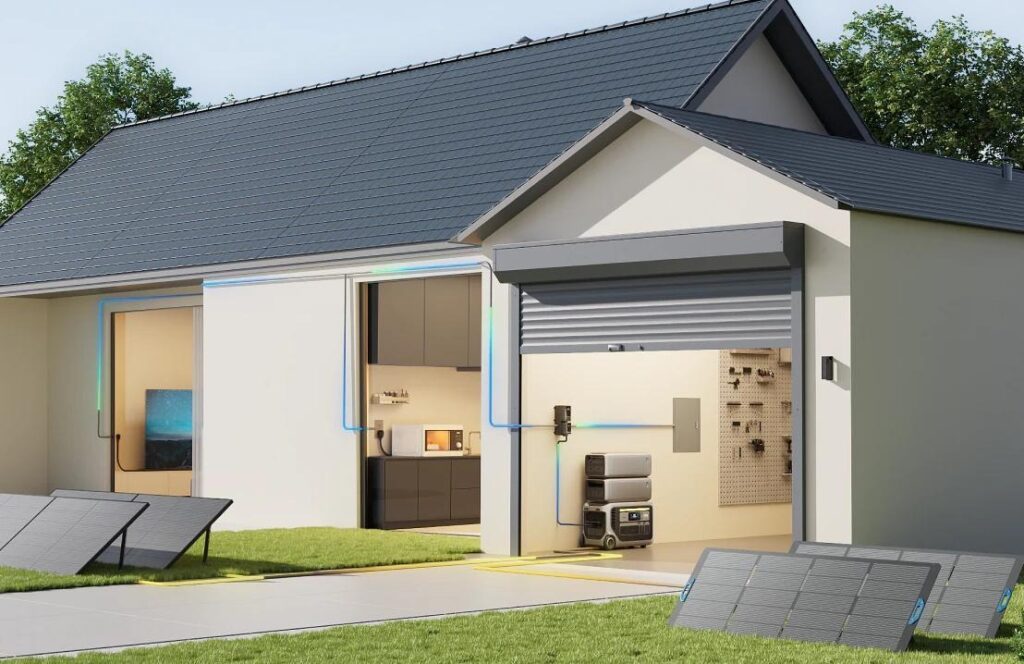
Weather plays a bigger role in solar energy production than many households expect. While solar panels are designed to work in a wide range of environments, daily and seasonal weather changes directly influence how much electricity a system can generate. Understanding these patterns helps homeowners set realistic expectations and make smarter decisions about energy use. From bright summer days to cloudy afternoons and snowy mornings, each condition affects performance in different ways. Small adjustments in maintenance and energy habits can make a noticeable difference over time. In this article, practical explanations and everyday examples show how weather impacts solar output and how to get the most from a system year-round.
1. Sunlight is Key
Direct sun produces the most power
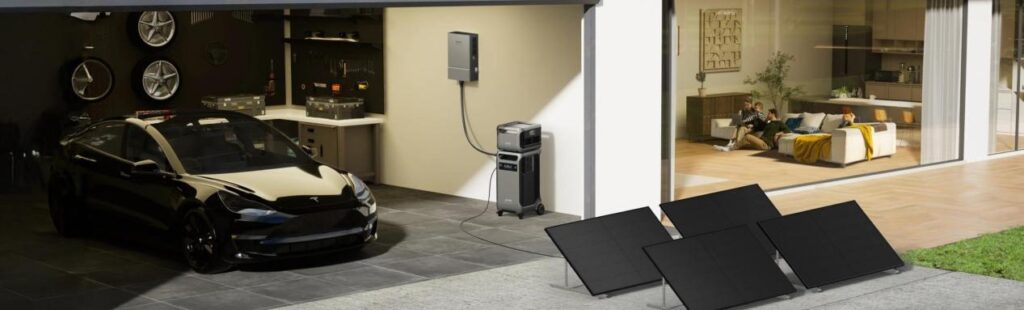
Solar panels generate the highest output when exposed to strong, direct sunlight for extended periods. Midday hours, when the sun is high in the sky, typically produce the most electricity for homes. Panels facing fewer obstructions such as tall trees or nearby buildings benefit the most during these peak hours. Clear skies allow more solar radiation to reach the panels without being scattered or absorbed. This is why summer afternoons often deliver noticeably higher production compared to early mornings. Monitoring these daily peaks helps households plan energy-heavy tasks like laundry or dishwashing at optimal times.
Shorter days in winter reduce daily energy
Winter does not stop solar panels from working, but shorter daylight hours naturally reduce total daily production. Even on bright winter days, the sun stays lower in the sky, which decreases the intensity of light hitting the panels. Morning frost or lingering shade from nearby objects can further delay peak generation. As a result, homes may rely more on stored energy or grid electricity during colder months. Understanding this seasonal pattern prevents unrealistic expectations about winter performance. Simple planning, such as running appliances earlier in the day, can still make effective use of available sunlight.
2. Clouds Reduce Output
Heavy clouds lower energy production
Thick, dark cloud cover can significantly reduce the amount of sunlight reaching solar panels. Water droplets and dense cloud layers scatter sunlight, lowering the intensity of energy available for conversion. During these periods, systems may operate at a fraction of their usual capacity. Homes may notice that appliances draw more power from storage or external sources when skies remain overcast. However, panels rarely stop producing completely, even under heavy clouds. This steady, reduced output still contributes to overall daily energy savings.
Light clouds may only cause small drops
Not all cloudy days lead to dramatic performance losses. Thin or broken cloud layers often allow partial sunlight to pass through, resulting in only minor reductions in output. In some cases, scattered clouds can even reflect additional light onto panels from different angles. This effect may create brief moments of higher-than-expected production. Overall energy generation remains lower than on clear days but still meaningful for household use. Watching these patterns helps homeowners understand why output can fluctuate hour by hour.
3. Heat Lowers Efficiency
Panels work best in cool, sunny weather
Solar panels are often associated with hot climates, but they actually perform most efficiently in bright yet cool conditions. Excessive heat increases electrical resistance within the panels, slightly reducing their ability to convert sunlight into usable power. This means a sunny spring day can sometimes produce more electricity than a scorching summer afternoon. Proper airflow beneath rooftop panels helps carry heat away and maintain better efficiency. Installations that allow ventilation often see more stable performance over time. These small design factors can influence long-term energy output more than many people realize.
Extreme heat can decrease performance
Very high temperatures can cause noticeable dips in solar efficiency during peak summer months. While panels continue to function safely, their voltage output typically decreases as surface temperatures rise. Roof materials that trap heat may make this effect more pronounced. As a result, energy production curves sometimes flatten during the hottest parts of the day. This explains why output may not always match expectations during heatwaves. Understanding this behavior prevents confusion when sunny weather does not automatically mean maximum generation.
4. Rain and Snow Matter
Rain helps clean panels for better output later
Rainy weather temporarily lowers solar production because thick clouds block direct sunlight. However, rainfall also provides a useful natural cleaning effect. Dust, pollen, and airborne pollution can accumulate on panel surfaces over time, reducing efficiency. A steady rain shower helps wash away this buildup and restore clearer exposure to sunlight. After the weather clears, panels often perform slightly better than before the storm. This natural cleaning cycle reduces how often manual washing may be needed.
Snow cover blocks sunlight until removed
Snow has a more direct impact on performance because it can completely cover panel surfaces. When panels are blanketed in snow, sunlight cannot reach the cells, stopping energy production temporarily. Light, powdery snow may slide off as panels warm up, especially if they are tilted. Heavy, wet snow may remain longer and require careful removal if safe to do so. Once cleared, cold temperatures can actually help panels operate more efficiently under bright sun. Monitoring snow buildup ensures production resumes as quickly as possible.
5. Keep Panels Clean
Keeping solar panels clean is one of the most effective ways to ensure consistent energy output. Dirt, dust, leaves, and other debris can accumulate and significantly reduce the amount of sunlight reaching the cells. For portable setups—like Anker SOLIX solar panel generator—regular cleaning is especially important, as these systems can frequently moved and used in varying outdoor conditions. A simple rinse with water and a soft cloth can help maintain panel efficiency without risking damage. Clean panels capture more sunlight, which directly translates to better charging performance and more reliable backup power when you need it most.
Conclusion
Weather constantly influences how much electricity solar panels can produce, but these changes are predictable and manageable. Sunlight intensity, temperature, cloud cover, and precipitation each play a role in daily and seasonal performance. With realistic expectations and simple maintenance habits, households can continue benefiting from solar energy in every season. Clean panels, good airflow, and smart energy timing all contribute to better results. Understanding how weather affects output turns surprises into planning opportunities. Over time, this knowledge helps maximize both energy savings and system reliability.