How Weather Impacts Construction Timelines and How to Prepare
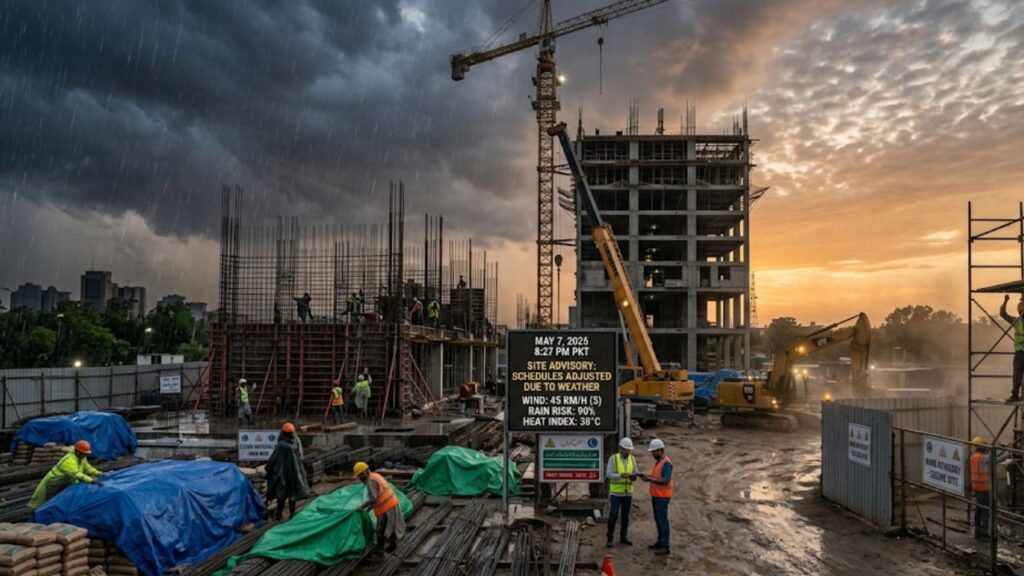
Anyone who has ever built a home knows that Mother Nature rarely consults a project schedule. One day the sky is clear, and the next, an unexpected downpour brings site activity to a grinding halt. Weather is the ultimate wild card in building projects, affecting everything from concrete pouring to worker safety.
Understanding how different weather conditions affect the building process is essential for keeping stress levels low and expectations realistic. While we cannot control the forecast, we can control how we prepare for it. Proper planning ensures that minor weather delays do not snowball into major setbacks.
For homeowners and builders alike, anticipating these environmental challenges is a necessary part of the journey. Let us look at exactly how weather shifts affect a build and what steps professionals take to keep progress moving forward.
The Direct Impact of Weather on Construction
Different weather events disrupt building phases in highly specific ways. Recognizing these impacts helps clarify why certain delays are simply unavoidable.
Rain and Moisture
Heavy rain creates muddy sites that can trap heavy machinery and create hazardous working conditions. Moisture is particularly problematic during the early stages of a build. Pouring concrete in the rain compromises its structural integrity, while exposing uncovered timber to persistent moisture can lead to warping or mold.
Extreme Temperatures
Both intense heat and freezing cold present unique hurdles. High temperatures can cause materials like concrete and flashings to cure or dry too rapidly, leading to cracking. On the human side, extreme heat poses serious safety risks to the crew, often requiring shortened work hours. Conversely, cold snaps can freeze the ground, making excavation difficult, and prevent materials like paint and adhesives from setting properly.
Wind
Strong winds represent a significant safety hazard, particularly when cranes or scaffolding are in use. High wind speeds can make lifting heavy materials dangerous and can even damage partially completed structures. When the wind picks up, tasks involving roofing, upper-level framing, and heavy lifting usually have to be paused.
Planning for Weather: Strategies for Custom Home Builders Adelaide
Experienced professionals know that hoping for good weather is not a viable strategy. Top-tier Custom Home Builders Adelaide employ specific tactics to mitigate the effects of unpredictable climates.
Detailed Scheduling and Contingency Planning
A rigid schedule often shatters at the first sign of rain. Smart scheduling involves building buffer days into the timeline specifically for weather disruptions. Custom Homes Builders Adelaide understand local weather patterns and strategically sequence tasks. For example, they prioritize getting the structure “weather-tight”—meaning the roof, windows, and exterior walls are in place—so interior work can continue regardless of outdoor conditions.
Material Protection and Storage
Protecting materials on-site is a fundamental part of weather prep. Builders use heavy-duty tarps, elevated storage platforms, and secure lock-ups to keep sensitive materials dry and safe from wind damage.
Utilizing Weather Monitoring Technology
Modern construction relies heavily on advanced meteorological forecasting. By tracking accurate, long-range weather data, site managers can shuffle the schedule proactively. If rain is predicted for Thursday, the team might push to finish a concrete pour by Wednesday and shift to indoor framing tasks later in the week.
Rendition Group’s Approach to Weather Challenges
Navigating the elements requires experience, flexibility, and a steady hand. Rendition Group tackles these environmental variables with a refined, proactive strategy.
Proactive Planning and Communication
Rendition Group prioritizes clear communication with clients when weather threatens the timeline. By discussing potential seasonal delays upfront, they ensure homeowners are never left in the dark. Their scheduling incorporates realistic buffers, meaning a few rainy days are already accounted for in the initial project timeline.
Experienced Project Management
It takes seasoned project managers to make quick, effective decisions when the forecast suddenly shifts. The team at Rendition Group leverages decades of site management experience to seamlessly pivot tasks. If outdoor work becomes unsafe, they rapidly reorganize the trades to focus on protected, weather-independent phases of the build.
Building Resiliently in Any Climate
Weather will always be an unpredictable factor in creating a new home. However, understanding its specific impacts allows everyone involved to approach the process with patience and clarity. By utilizing strategic scheduling, securing materials, and leaning on the expertise of seasoned professionals, weather delays become manageable bumps in the road rather than project-derailing disasters. Choosing a prepared builder ensures your home progresses safely and efficiently, come rain or shine.