Why Blocked Drains Should Never Be Ignored
A home’s drainage system is designed to safely carry wastewater away from sinks, showers, toilets, and outdoor drains. When blocked drains develop, even a seemingly minor issue can disrupt everyday routines and potentially lead to more significant plumbing problems if left unresolved. While a slow-draining sink or occasional gurgling sound may not appear urgent, these early warning signs often indicate that something is restricting the normal flow of water.
Drain blockages rarely resolve on their own. In many cases, the obstruction gradually becomes worse as more debris accumulates inside the pipe. Recognising the warning signs early and addressing them promptly can help protect your plumbing system, reduce repair costs, and minimise the risk of property damage.
Slow Drains Are Often the First Warning Sign
One of the earliest indicators of a developing drain blockage is water draining more slowly than usual. This commonly occurs in sinks, showers, bathtubs, and floor drains as debris gradually narrows the inside of the pipe. Hair, soap residue, grease, food scraps, and other materials can slowly build up over time, reducing water flow. Although water may still drain away, the restriction often becomes progressively worse if the underlying cause is not addressed.
Common signs of a developing blockage include:
- Slow-draining sinks
- Water pooling around drains
- Gurgling sounds
- Frequent minor blockages
- Water draining unevenly
Responding to these early warning signs may help prevent more serious drainage problems.
Blockages Can Lead to Water Backups
As a blockage becomes more severe, wastewater may no longer flow freely through the drainage system. Instead, water may begin backing up into fixtures or overflow from drains. Water backups can affect bathrooms, kitchens, laundries, and outdoor drainage areas. Aside from causing inconvenience, backed-up wastewater may damage flooring, cabinetry, and other building materials if not managed quickly. Prompt attention to drainage problems helps reduce the likelihood of overflow events and associated property damage. Maintaining free-flowing drains supports the safe operation of household plumbing.
Unpleasant Odours May Indicate Drain Problems
Persistent unpleasant smells coming from drains often suggest that waste materials have accumulated inside the pipework. Organic matter trapped within partially blocked drains can begin to decompose, creating noticeable odours. While cleaning visible drain openings may provide temporary relief, smells often persist if the blockage remains further inside the drainage system. Identifying the source of the restriction is usually necessary to eliminate the underlying cause.
Common contributors to unpleasant drain odours include:
- Food waste
- Grease build-up
- Hair accumulation
- Soap residue
- Organic debris
Addressing the blockage itself is often the most effective way to improve drainage and reduce odours.
Ignoring Blockages Can Damage Pipes
Drain blockages place additional pressure on plumbing systems by restricting the normal movement of wastewater. As pressure builds within the pipe, existing weaknesses may become more noticeable. In some situations, prolonged blockages can contribute to leaks, pipe deterioration, or joint failures. Older plumbing systems may be particularly vulnerable to the effects of ongoing drainage problems.
While not every blockage causes pipe damage, addressing restrictions early can help reduce unnecessary stress on the plumbing system. Preventative maintenance often supports the long-term condition of underground pipework. Healthy drainage contributes to the overall reliability of household plumbing.
Outdoor Drains Can Also Become Blocked
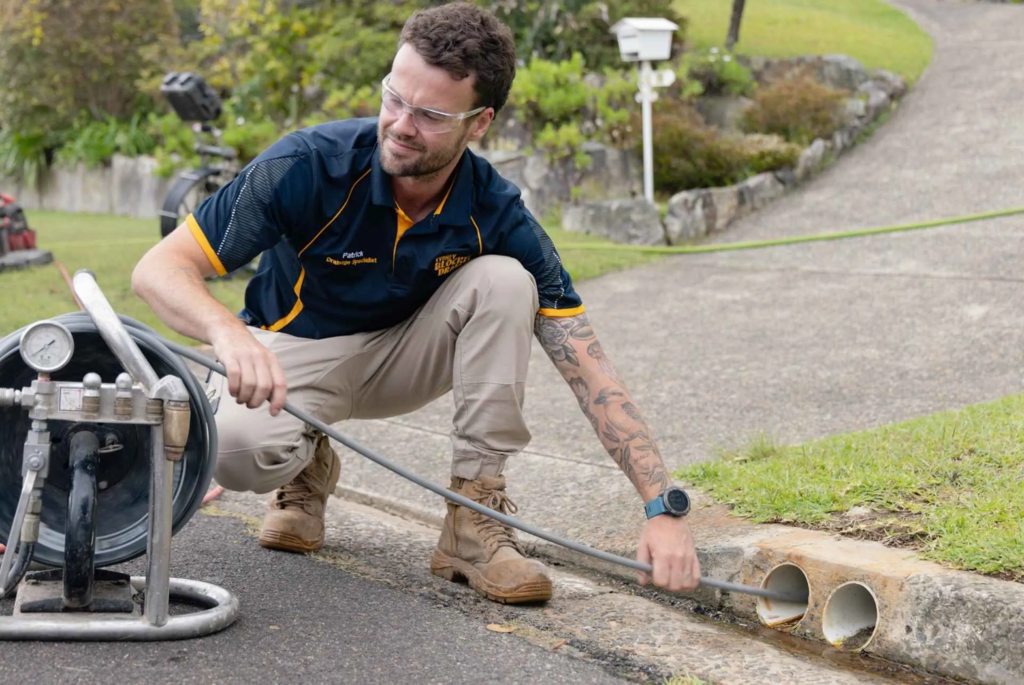
Drainage problems are not limited to sinks and bathrooms. Outdoor stormwater drains, driveway drains, and yard drainage systems can also become blocked by leaves, soil, tree roots, and other debris. Blocked outdoor drains may prevent rainwater from flowing away effectively during heavy rainfall. This can increase the likelihood of localised flooding around homes, gardens, and paved areas.
Outdoor drainage systems may become blocked by:
- Leaves
- Tree roots
- Soil movement
- Garden debris
- Stormwater sediment
Regular maintenance helps keep outdoor drainage systems functioning effectively throughout the year.
Preventative Maintenance Helps Reduce Future Problems
Many drain blockages develop gradually over months or years before becoming noticeable. Regular maintenance allows minor restrictions to be identified and managed before they develop into major plumbing issues. Preventative drain care may include routine inspections, professional cleaning, and monitoring areas known to experience recurring blockages. Taking a proactive approach often reduces the likelihood of unexpected plumbing emergencies.
Maintaining healthy drains also supports efficient wastewater removal and helps extend the lifespan of the drainage system. Small maintenance tasks today can often prevent larger repairs in the future. Consistent care contributes to more reliable plumbing performance.
Early Action Can Save Time and Money
One of the biggest advantages of addressing blocked drains early is the opportunity to minimise repair costs and disruption. Minor restrictions are generally easier to manage than severe blockages that have been left unresolved for extended periods. Ignoring warning signs may result in more extensive plumbing work, emergency call-outs, or property repairs if water damage occurs. Acting promptly allows problems to be investigated before they become more complicated.
Taking early action also helps homeowners avoid unnecessary inconvenience while maintaining the safe operation of their plumbing system. Preventative attention often provides the most practical long-term solution. Small plumbing issues are usually easier to manage than major emergencies.
Conclusion
Blocked drains should never be ignored because they often indicate developing plumbing problems that can worsen over time. Slow drainage, unpleasant odours, recurring blockages, and water backups are all warning signs that the drainage system may require attention.
By responding to these issues early and maintaining regular drain care, homeowners can help protect their plumbing system, reduce the risk of costly repairs, and maintain reliable wastewater flow. Preventative maintenance remains one of the most effective ways to support the long-term performance of household drainage systems. Keeping drains clear not only improves everyday convenience but also helps safeguard the overall health and functionality of your property’s plumbing infrastructure.