How Mobile Technology Is Making International Travel Easier
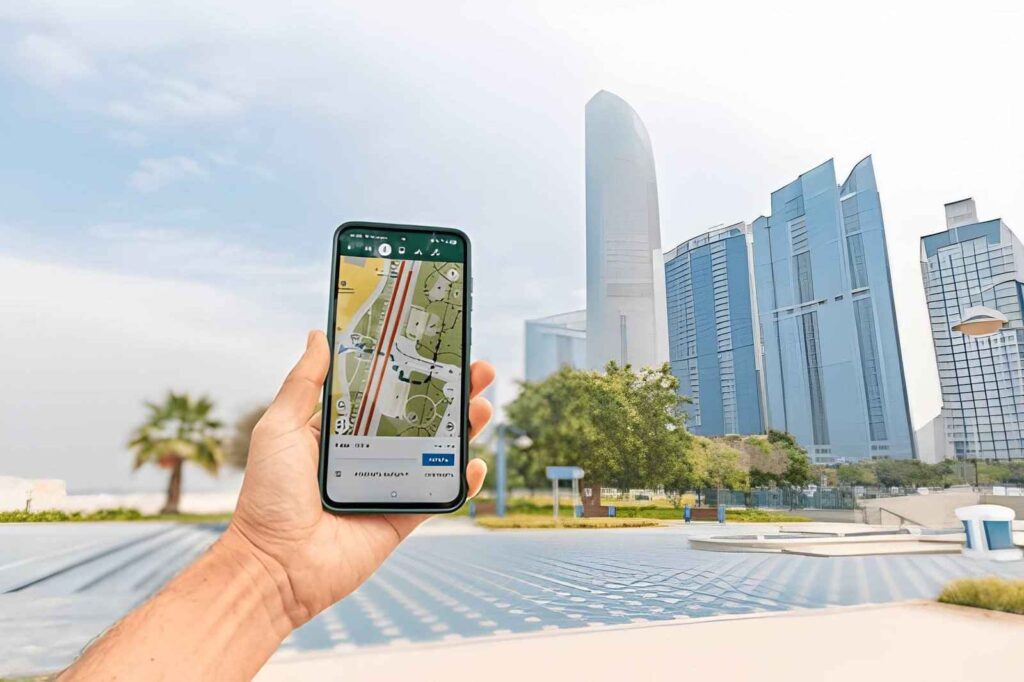
International travel has become much easier than it was a few years ago. Flights can be booked in minutes, hotel reservations are stored on a phone, maps work almost anywhere, and travelers can translate signs, menus, and messages in real time.
But behind this convenience, there is one simple requirement: access to reliable mobile technology.
For many travelers, the smartphone is no longer just a device for taking photos. It has become a travel assistant, a wallet, a translator, a navigation tool, a safety resource, and a communication channel. Whether someone is traveling for business, family, study, or vacation, mobile tools now shape the way people prepare and manage their trips abroad.
The result is clear: technology has made international travel more flexible, but only for travelers who prepare properly.
Trip planning now starts on mobile
Most trips begin long before the airport. Travelers compare flights, read hotel reviews, check visa rules, watch destination videos, save places on maps, and build itineraries from their phone.
Mobile apps have changed the planning process because they make information available instantly. Instead of relying only on guidebooks or travel agencies, travelers can compare neighborhoods, estimate transport times, check restaurant menus, and understand local customs before leaving home.
This does not mean planning is always easier. In fact, travelers often have too much information. There are dozens of booking platforms, review sites, social media posts, and travel blogs offering different opinions.
The real value of mobile technology is not just access to information. It is the ability to organize that information. A well-prepared traveler can save documents, down load maps, store reservations, and keep important details available offline.
Digital documents reduce travel stress
Paper tickets and printed hotel confirmations are no longer as common as they once were. Many travelers now use mobile boarding passes, digital hotel reservations, online visas, QR codes, and mobile wallets.
This makes the journey faster and more convenient. A traveler can check in online, store boarding passes in a wallet app, and receive updates if the gate changes or a flight is delayed.
However, digital documents also create a new kind of dependency. If the phone battery dies, the app logs out, or the traveler cannot access the internet, the convenience disappears quickly.
That is why it is smart to keep backups. Travelers should down load important documents before departure, take screenshots of reservations, and keep a copy of essential information in more than one place.
Digital travel is efficient, but it works best when it is prepared in advance.
Maps have changed the way people explore
One of the biggest travel changes is navigation. In the past, arriving in a new city often meant buying a paper map, asking for directions, or trying to understand signs in another language. Today, most travelers simply open a map app.
Mobile maps help with walking routes, public transport, driving directions, restaurant searches, and hotel locations. They are especially useful during the first hours in a new country, when the traveler is tired and unfamiliar with the area.
But maps are also useful for a different reason: they make travelers more confident. Someone who might have avoided a local neighborhood or public transport route can now explore with more independence.
Still, mobile maps depend on data access. Offline maps can help, but real-time updates for traffic, train delays, opening hours, and route changes usually require an internet connection.
Translation tools make destinations more accessible
Language barriers are still part of travel, but they are easier to manage. Translation apps can help travelers read signs, understand menus, communicate with drivers, ask basic questions, or handle hotel messages.
Camera translation is particularly useful in countries with unfamiliar alphabe t s. A traveler can point a phone at a sign or menu and get an instant translation.
Of course, translation apps are not perfect. They can misunderstand context, local expressions, or technical details. Still, they are helpful enough to make travel feel less intimidatin g.
They also support more respectful travel. Learning a few local words is always a good idea, but translation tools can help when a conversation becomes more complicated.
Connectivity is now a travel essential
A smartphone is only truly useful abroad when it has a reliable connection. Travelers need mobile data to use maps, receive booking updates, contact hotels, order rides, check public transport, access banking apps, and stay in touch with family or work.
Public Wi-Fi can help, but it is not always available at the right moment. Airport Wi-Fi may be slow. Hotel Wi-Fi may only work after check-in. Café Wi-Fi may require a password or may not be secure enough for important tasks.
This is why many travelers now prepare mobile data before they leave. Instead of waiting to buy a physical SIM card after landing, an eSIM can be activated on compatible phones and used when arriving in another country.
For example, Holafly offers a travel data plan through eSIM technology, which can help travelers access the internet abroad without depending only on public Wi-Fi. This can be useful for maps, confirmations, transport apps, and messages during the trip.
The goal is not to spend the whole vacation online. It is to have internet access when it matters.
Mobile payments simplify spending abroad
Mobile wallets and digital banking have also changed travel. In many destinations, travelers can pay with a phone, receive instant transaction alerts, track spending, and manage cards through banking apps.
This makes international travel more convenient, but it also requires preparation. Some countries still rely heavily on cash. Some small businesses do not accept foreign cards. Some banks may block transactions if they suspect unusual activity.
Before traveling, it is useful to check card fees, exchange rates, ATM withdrawal costs, and payment options in the destination country.
Mobile payments are powerful, but they should not be the only option. A smart traveler keeps more than one payment method available.
Travel apps help manage unexpected changes
Travel rarely goes exactly as planned. Flights are delayed, platforms change, weather affects routes, hotels send updated instructions, and reservations sometimes need to be adjusted.
Mobile apps make it easier to react. Airline apps can send delay notifications. Hotel platforms can update check-in details. Transport apps can show route changes. Messaging apps can help travelers contact hosts, guides, or customer support.
For business travelers, this can save valuable time. For families, it can reduce stress. For solo travelers, it can provide reassurance.
The key advantage is speed. Instead of waiting at a desk or searching for information, travelers can solve small problems immediately from their phone.
Security matters more when traveling
As travelers rely more on mobile technology, digital security becomes more important. Phones now contain boarding passes, payment cards, passports, emails, hotel details, work documents, and personal photos.
A lost or stolen phone can create serious problems. So can using insecure Wi-Fi for banking or work-related tasks.
Travelers should use strong passwords, enable two-factor authentication, keep devices updated, avoid sensitive tasks on public Wi-Fi, and know how to lock or locate a device remotely.
Security should be part of travel preparation, just like packing a passport or checking insurance.
Technology should support the journey, not control it
There is a balance to find. Mobile technology can make travel easier, but it can also distract from the experience. Constant notifications, social media, work messages, and overplanning can make a trip feel less spontaneous.
The best use of travel technology is practical. Use it to reduce stress, save time, stay safe, and move confidently. Then put the phone away when it is no longer needed.
Technology should help travelers enjoy the destination, not replace the experience of being there.
Final thoughts
Mobile technology has changed international travel in a major way. It helps travelers plan be tter, navigate unfamiliar places, communicate across languages, manage bookings, track expenses, and respond quickly when plans change.
But the most important travel tool is not just the smartphone. It is preparation.
Travelers who downloa d documents, organize apps, protect their devices, prepare mobile data, and understand local payment habits are more likely to enjoy a smooth trip.
In the end, good travel technology does not make a journey feel more complicated. It makes it feel easier, safer, and more manageable.