Fracture Proof Your Bones with the Onero™ Osteoporosis Program
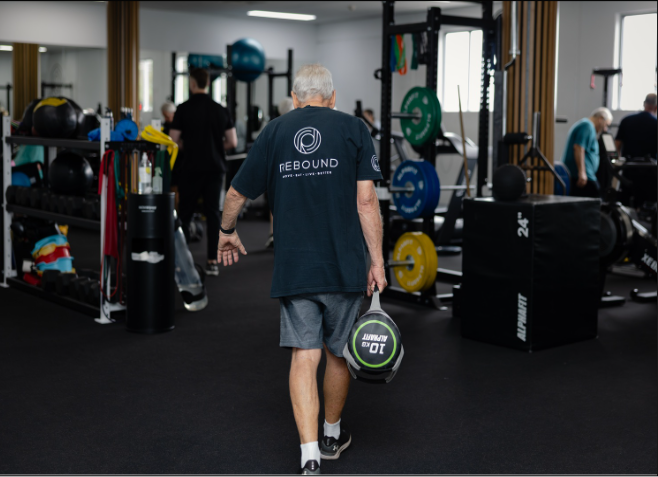
Osteoporosis Doesn’t Have to Hold You Back
An osteoporosis diagnosis can feel overwhelming, but bone health can genuinely improve with the right kind of exercise. The Onero™ Program is an evidence-based onero exercise program designed specifically for people living with low bone density. Combining targeted strength training with expert supervision helps build stronger bones, improve balance, and restore confidence in everyday movement.
Whether someone has recently been diagnosed or has simply noticed changes in their balance and strength, it’s never too late to take positive steps towards better bone health.
What Makes Onero™ Different
Unlike the gentle, low-impact routines often recommended for older adults, Onero-based programs focus on heavy resistance and impact training. Research suggests this type of loading is one of the most effective ways to stimulate bone growth, build strength, and slow the progression of osteoporosis, provided it’s performed safely under professional guidance. For people who also need support with everyday function or home safety alongside their training, working with an occupational therapy provider can help round out the broader recovery journey.
With consistent participation, many clients experience:
- Improved bone density and overall strength
- Better balance, stability and coordination
- Reduced risk of falls and fractures
- Greater confidence and independence in daily life
Progress is typically monitored through regular assessments, allowing participants to track measurable improvement and adjust the program as strength develops.
A Program Built Around the Individual
Every bone health journey is different, which is why these programs usually begin with a comprehensive assessment that covers mobility, current bone density, medical history, and personal goals. From there, a personalised onero exercise program is created to support each person’s needs while ensuring the training remains safe and effective.
Given the higher-intensity nature of the program, sessions are ideally supervised by an experienced Exercise Physiology team, ensuring correct technique and appropriate progression at each stage.
Support That Goes Beyond Exercise
Improving bone health isn’t only about physical strength; it’s also about rebuilding confidence in the body’s ability to move safely. Many participants report greater independence, improved mobility, and reassurance from training alongside others working towards similar goals.
Bone health is often best supported through a broader, multidisciplinary approach. If mobility, pain, or movement concerns arise during a program, a Physiotherapist Warriewood can help address these issues alongside structured exercise sessions. Similarly, if everyday activities or home safety become challenging, an occupational therapy practitioner can offer practical strategies to help maintain independence and confidence.
Finding the Right Support
For anyone exploring osteoporosis exercise classes, it’s worth choosing a provider with genuine, hands-on experience delivering evidence-based bone health training, rather than a generic seniors’ fitness class. The right team should understand not just how to guide clients through resistance and impact-based movements, but how to tailor each session to individual bone density, mobility level, and health needs.
Programs like these are increasingly being offered by allied health clinics that combine Exercise Physiology with complementary services such as occupational therapy and physiotherapy, giving clients a more complete pathway to stronger bones and long-term independence. Rebound Health is one example of a clinic offering this kind of integrated, evidence-based Onero™ program.