What SPF Should I Use? Here’s How to Choose the Right Sunscreen
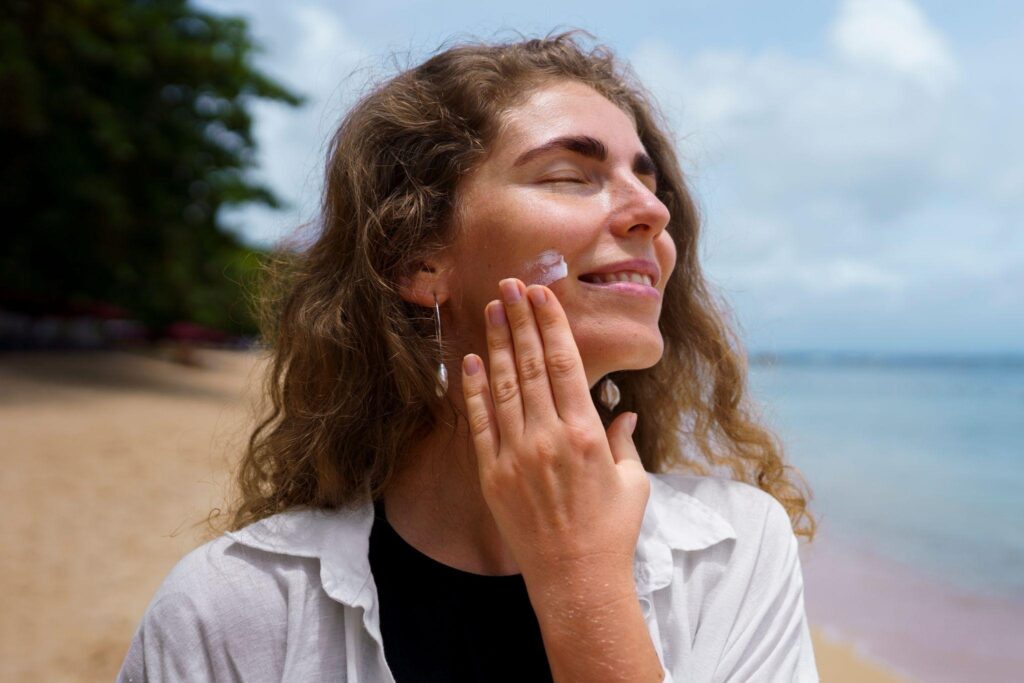
TL;DR: For most outdoor activities, broad-spectrum SPF 50 is a practical choice because it offers a high level of UVB protection. No sunscreen blocks 100% of UV rays, so applying enough sunscreen and reapplying every 2 hours are just as important as the SPF number.
Standing in the sunscreen aisle should be simple, but it rarely is. One bottle says SPF 30, another says SPF 50, and then you spot SPF 70 or even SPF 100. Suddenly, you’re wondering whether the higher number is always the better choice.
If you’ve ever asked yourself, “what SPF should I use?” then your search ends here. The good news is that choosing sunscreen doesn’t have to be complicated once you understand what SPF actually means and how it helps protect your skin.
The good news is that choosing the right sunscreen is always important, and once you understand what SPF means, it becomes easy for you to pick the right one.
Let’s break it down so you can choose a sunscreen with confidence.
What Does SPF and SPF Number Mean?
SPF stands for Sun Protection Factor. It measures how well a sunscreen helps protect your skin from UVB rays, which are the rays primarily responsible for sunburn.
The SPF number tells you how long it might take you to get a sunburn after applying it, versus not wearing any at all.
As an example: if you can spend 10 minutes in the sunlight without burning, a lotion with SPF30 will multiply this “self-protection time” by 30 to equal 300 minutes.
But keep in mind that this is just an approximation since you might not be taking as long to burn depending on the season, the weather, your skin type, or even your geographic location.
Does a Higher SPF Mean Better Protection?
A higher SPF offers more UVB protection, but the difference becomes smaller as the numbers increase.
For example:
- SPF 15 blocks 93% of UVB rays
- SPF 30 blocks 97% of UVB rays
- SPF 50 blocks 98% of UVB rays
Although SPF 50 provides a higher level of protection than SPF 30, no sunscreen can block 100% of UV rays. That’s why it’s important not to rely on the SPF number alone.
No matter which SPF you choose, spending hours in direct sunlight without reapplying sunscreen can leave your skin exposed.
Why Reapplication Matters More Than You Think
Many people think that applying sunscreen in the morning is enough, but it wears off throughout the day.
Activities like sweating, swimming, towel drying, and other things reduce the amount of sunscreen left on your skin.
For proper coverage, it is recommended to use about 1 shot glass (1 oz.) of sunscreen for full-body application and around 1/4 teaspoon for your face. To help maintain protection, reapply every 2 hours, or more often after swimming or sweating.
What About SPF 70 or SPF 100?
You may have noticed sunscreens with very high SPF numbers and wondered if they offer significantly better protection.
While higher SPFs do provide increased UVB protection, the difference becomes much smaller as the SPF increases.
Because very high SPF numbers can sometimes create the impression that people don’t need to reapply sunscreen as often, the U.S. Food and Drug Administration (FDA) has proposed updates to how higher SPF claims are evaluated and labeled.
Applying enough sunscreen, wearing protective clothing when appropriate, looking for shade, and reapplying regularly remain just as important.
So, What SPF Should You Use?
Many dermatologists recommend choosing a broad-spectrum sunscreen with SPF 30 or higher.
If you’re planning to spend more time outdoors, whether that’s at the beach, by the pool, on a hike, or watching your kids play sports, SPF 50 is a preferable option because it offers a higher level of UVB protection while still encouraging proper sunscreen use.
Rather than chasing the highest SPF number available, focus on choosing a sunscreen you’ll use consistently and correctly.
Finding an SPF That Fits Your Routine
The best sunscreen is often the one that fits naturally into your daily routine.
Some people prefer a lotion for everyday use, while others like the convenience of a spray for outdoor activities or a stick for quick touch-ups on the face, ears, and nose.
Having a sunscreen that’s easy to apply can make it easier to stay consistent with sun protection.
Majority uses a range of broad-spectrum SPF 50 mineral sunscreens, including lotions, sprays, and sticks for adults, kids, babies, sports, and sensitive skin.
Different formats mean you can choose the one that works best for your lifestyle instead of settling for a “one pump” solution.
Here’s the Bottom Line
The skin is the most delicate, so choosing broad-spectrum SPF 50 is a reliable option for all outdoor activities. It provides a high level of UVB protection while helping support your overall sun protection routine.
Remember, the SPF number is only part of the equation. Applying enough sunscreen, covering all exposed skin, and reapplying every 2 hours will save you from the harmful UV rays.