How Cortisol and Stress Affect Your Body Long-Term
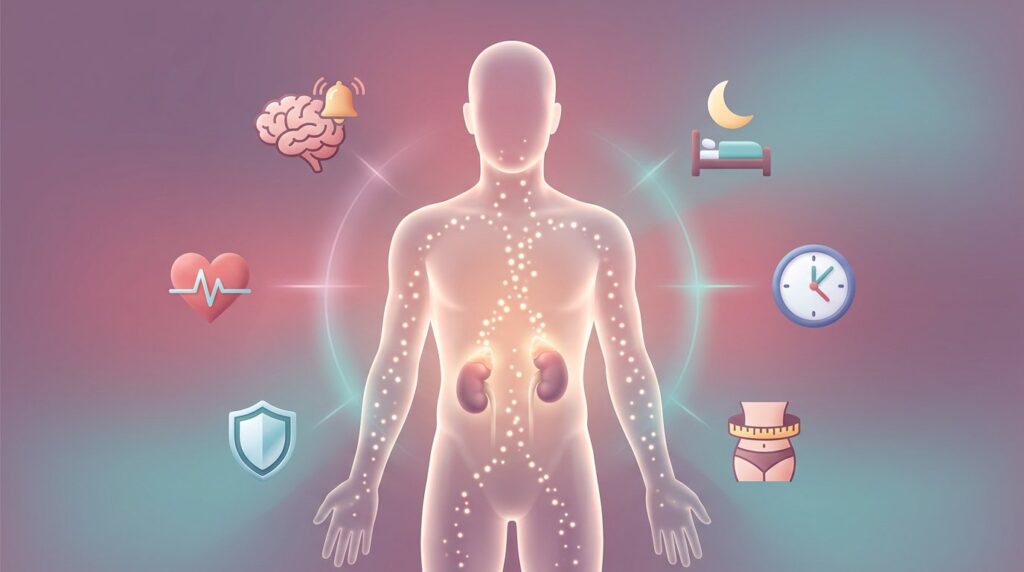
Stress is part of being human. A demanding deadline, difficult conversation, or unexpected problem can trigger a rapid physical response that helps you react. But when stress becomes constant, the body’s emergency system may remain switched on longer than it should. One of the key players in this process is cortisol, a hormone closely involved in the body’s stress response.
Understanding cortisol and stress can help explain why prolonged pressure may affect far more than your mood.
What Happens to Cortisol During Stress?
Cortisol is produced by the adrenal glands and plays several important roles, including helping regulate metabolism, blood pressure, immune activity, and the body’s response to stress.
When the brain perceives a threat, the body activates the stress response. Cortisol helps make energy available and keeps you alert. Once the stressful situation passes, cortisol levels normally fall and the body can return toward its usual state.
The problem arises when stressful situations become frequent or persistent.
How Chronic Stress Can Affect the Body
Long-term stress does not necessarily mean cortisol remains constantly elevated. Instead, repeated activation of the stress system can interfere with normal regulation and contribute to physical and emotional strain.
Effects on Sleep and Energy
Persistent stress can make it harder to relax at night. Poor sleep, in turn, can leave you tired during the day and make it more difficult to handle the next stressful situation.
Impact on Metabolism and Immunity
Long-lasting stress can also influence appetite, blood sugar regulation, cardiovascular function, and immune activity. These effects vary between individuals and depend on factors such as genetics, lifestyle, and the nature of the stressor.
The scale of everyday stress is worth noting. The American Psychological Association’s 2025 Stress in America survey found that 62% of U.S. adults identified societal division as a significant source of stress.
Practical Ways to Manage Long-Term Stress
Reducing stress does not mean eliminating every difficult situation. Instead, the goal is to build habits that help the body recover after stressful periods.
Regular physical activity can support mood and overall health. Consistent sleep, balanced meals, time outdoors, breathing exercises, and meaningful social connections can also become useful parts of a stress management routine.
It can help to start small. For example, someone with a demanding workday might take a short walk during lunch, turn off unnecessary notifications in the evening, and maintain a consistent bedtime rather than trying to completely redesign their lifestyle overnight.
People experiencing persistent stress symptoms should also consider speaking with a qualified healthcare professional. Charitable healthcare organizations such as Transparent Hands demonstrate how access to medical support can make a meaningful difference for communities facing healthcare barriers.
Supporting Well-Being Through Giving
Stress management is personal, but wellbeing can also involve helping others. Acts of generosity and community support can provide a sense of purpose and connection.
For people interested in fulfilling charitable responsibilities and obligations while supporting healthcare initiatives, a Zakat donation can be one way to help eligible people who may otherwise struggle to access essential medical care.
Small Actions Can Make a Difference
Cortisol is an essential hormone that helps the body respond to challenges. The concern is prolonged or poorly regulated stress, particularly when it begins affecting sleep, energy, relationships, or daily functioning.
Rather than waiting until stress becomes overwhelming, pay attention to early warning signs and build recovery into your routine. Small, consistent changes can help your body and mind handle life’s pressures more effectively.
For those who want to extend that support beyond themselves, charitable giving can also be meaningful. A Sadaqah donation can contribute to healthcare-related charitable efforts and help turn compassion into practical assistance.