2025 Innovations in Green Building Technologies
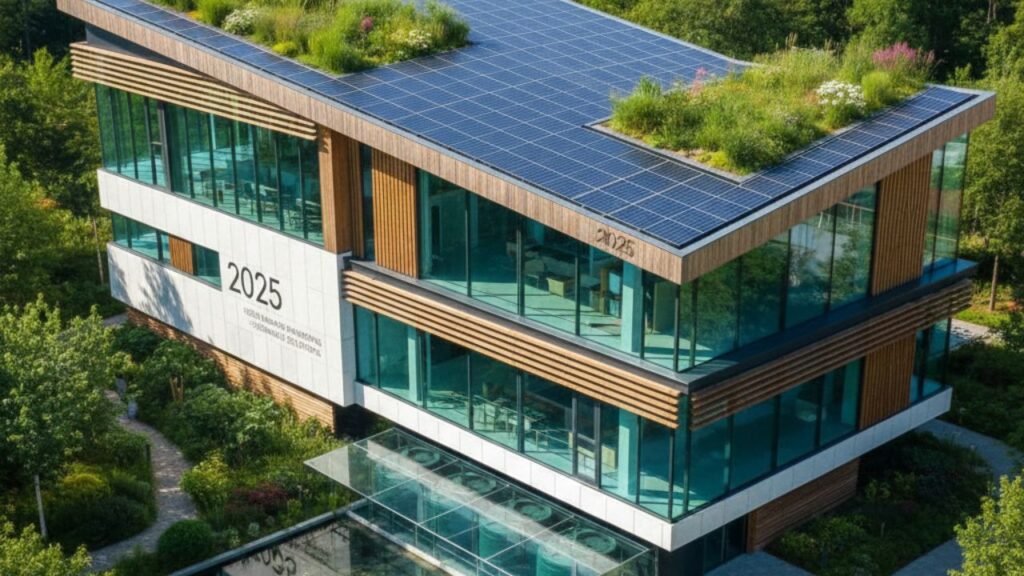
As we moved through 2025, the construction industry entered a new era where sustainability is no longer optional—it’s expected. Green building technologies have shifted from “nice extras” to core design decisions, helping reduce energy use, cut emissions, and create healthier spaces to live and work. For builders and homeowners looking at Custom Design Homes in Adelaide, these innovations are shaping how modern homes are planned, constructed, and maintained.
This evolution is also a direct response to climate pressure and rising energy costs. Buildings consume a significant amount of electricity, water, and materials, so even small improvements—better insulation, smarter systems, low-carbon products—can make a big difference over the life of a home.
Below are the most influential green building innovations that defined 2025 and continue to gain momentum.
Energy Efficiency Advancements
Energy efficiency remains the heart of sustainable design. The strongest innovations focus on reducing demand first—then supplying clean energy more intelligently.
Advanced Solar Technology
Solar is getting more powerful and more design-friendly. In addition to improved rooftop panels, newer solutions are expanding how surfaces generate electricity—such as building-integrated solar in facades and emerging window-based options that reduce glare while producing energy. The bigger shift is that buildings are increasingly designed to generate power, not just consume it.
Smart HVAC Systems
Heating and cooling can be one of the largest energy costs in a home. Smart HVAC systems use sensors and automation to adjust airflow and temperature based on real-time conditions—like occupancy, humidity, and outdoor temperature. This reduces waste without sacrificing comfort, especially in spaces that don’t need constant conditioning.
Innovative Insulation
Better insulation means less heating and cooling is required in the first place. 2025 saw growing interest in high-performance and lower-impact insulation options, including:
- aerogel-style insulation (high thermal resistance in thinner forms)
- mycelium-based composites (bio-based, lower impact)
- recycled-content products (like denim-based insulation)
These materials help stabilise indoor temperatures and reduce overall energy load.
Sustainable Materials and Smarter Construction
A “green” home is also defined by what it’s made from—and how much waste is produced during construction.
Recycled and Renewable Materials
More builds are shifting toward materials that reduce extraction and landfill, including:
- bamboo and other fast-renewing options
- reclaimed timber (lower demand for new logging, plus aesthetic character)
- recycled plastics repurposed into durable construction products
These choices can lower a home’s embodied carbon while still delivering strength and style.
Modern Construction Techniques
Two methods continued to accelerate in 2025:
Modular construction: Building sections off-site reduces waste, improves quality control, and often shortens timelines.
3D printing: Still emerging, but increasingly used to reduce material waste and create complex shapes efficiently.
Both approaches support sustainability by reducing excess materials, transport inefficiencies, and rework.
Water Conservation Strategies
Water efficiency is becoming a standard feature in future-focused builds—especially as hotter conditions and water restrictions become more common.
Rainwater Harvesting
Capturing rainwater for non-drinking uses (like gardens and toilets) helps reduce reliance on municipal supply and supports more resilient homes.
Low-Flow Fixtures and Efficient Landscaping
Modern low-flow taps, toilets, and showerheads cut water use without reducing performance. Outside, smart irrigation systems and native drought-tolerant plants help maintain attractive outdoor spaces with far less water.
Smart Building Technology That Connects Everything
The real power of green design shows up when systems work together. Smart building technology connects energy, water, lighting, ventilation, and indoor air quality through sensors, automation, and real-time monitoring.
IoT devices can track:
- electricity consumption patterns
- heating/cooling efficiency
- water usage and leaks
- indoor air quality and ventilation performance
With automation, homes can respond intelligently—for example, reducing cooling when no one is home, adjusting lighting based on daylight, or flagging maintenance issues before they become expensive repairs.
This is where the Rendition Group approach stands out—integrating modern performance features and smart design principles into homes that are comfortable now and resilient long-term.
Conclusion
The innovations shaping green building in 2025 are helping create homes that use less energy, waste fewer materials, conserve water, and offer healthier indoor environments. From advanced solar and intelligent HVAC to low-impact materials and smart automation, the direction is clear: sustainability is becoming the new standard.
Builders like Rendition Group are showing what’s possible when these technologies are considered early in the design process—delivering efficient, future-ready homes that feel just as good as they perform.