Who Can Trade In Dark Pools?
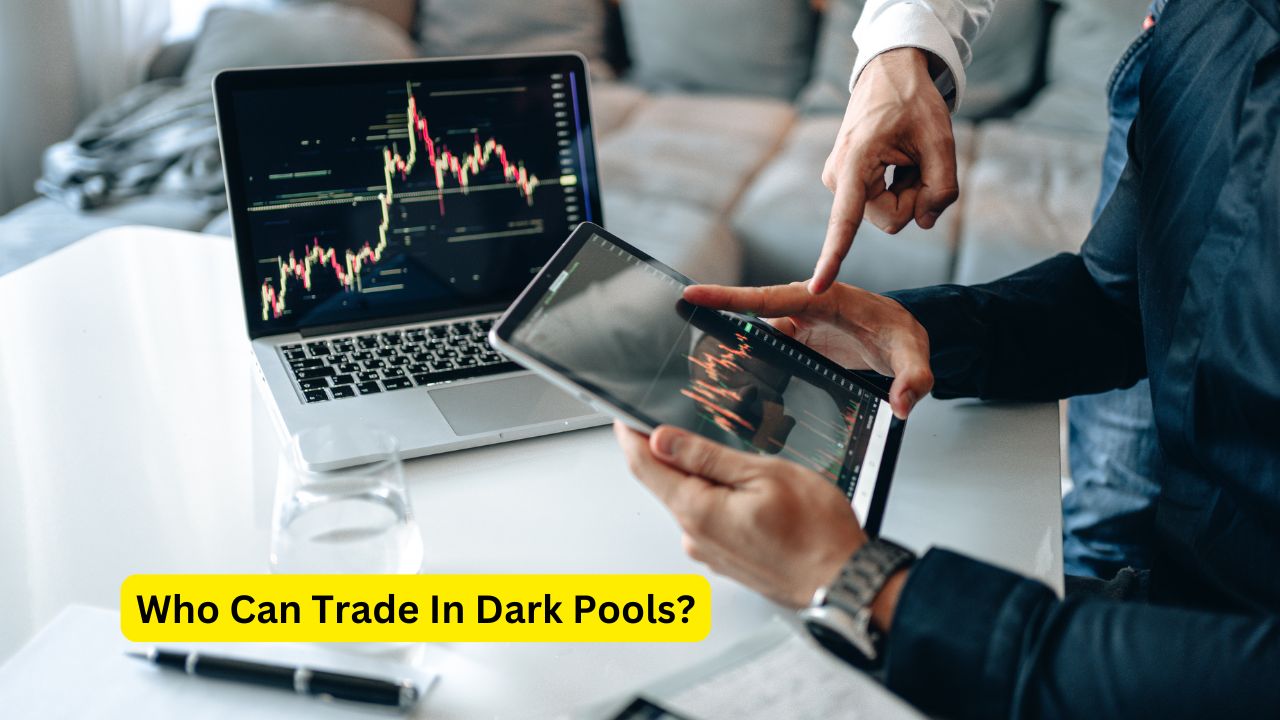
Dark pools are mysterious and exclusive trading venues that let large trades happen away from public exchanges. But who gets to play in these secretive markets? From institutional giants to high-net-worth individuals, we’ll uncover the types of participants who can navigate this hidden world and explore why they choose to trade in the shadows. Discover how quantum-zenx.com/ connects traders with the top experts to navigate the complex world of dark pools effectively.
Institutional Investors: The Primary Participants
Institutional investors are the main players in dark pool trading. These include large financial entities like pension funds, insurance companies, mutual funds, and hedge funds. Their participation is driven by the need to execute large trades without revealing their strategies to the public market.
When big players like these enter the market, their large orders can cause significant price fluctuations. Dark pools offer a way to mitigate this issue by allowing trades to happen away from the public eye. This way, institutional investors can avoid the “market impact” that could otherwise alter the stock price before their trade is complete.
Another key reason institutional investors use dark pools is to maintain anonymity. By keeping their trading activities hidden, they can prevent other market participants from gaining insights into their investment strategies. This can be crucial in maintaining a competitive edge.
Yet, trading in dark pools is not without its challenges. Regulatory scrutiny has increased over the years, with concerns about fairness and transparency. It’s vital for institutional investors to navigate these waters carefully, ensuring compliance with all relevant regulations. Despite these challenges, the benefits of reduced market impact and enhanced confidentiality continue to make dark pools an attractive option for institutional investors.
Accredited Investors: Meeting Regulatory Standards
Accredited investors also have access to dark pool trading. These individuals or entities meet specific financial criteria set by regulatory bodies like the SEC. Generally, an accredited investor is someone with a net worth exceeding $1 million (excluding their primary residence) or an annual income of at least $200,000 ($300,000 for joint income) for the past two years, with an expectation of the same income level in the current year.
The rationale behind restricting dark pool access to accredited investors is to ensure that only those with a significant level of financial knowledge and risk tolerance participate. Dark pools are complex and carry risks that might be too high for the average investor. By setting these standards, regulators aim to protect less sophisticated investors from potential pitfalls.
In addition to financial criteria, some accredited investors are also required to demonstrate a certain level of investment experience. This ensures that participants are not only financially capable but also knowledgeable enough to understand the intricacies of dark pool trading.
For those who qualify, dark pools offer opportunities to trade large volumes with more discretion and potentially better prices than public exchanges. However, it’s essential for accredited investors to stay informed and consult with financial experts regularly to navigate this complex landscape effectively.
High-Net-Worth Individuals: Entry Requirements and Thresholds
High-net-worth individuals (HNWIs) often find dark pool trading appealing due to the privacy and reduced market impact it offers. These individuals typically have assets exceeding $1 million, excluding their primary residence, or a substantial annual income. While the exact thresholds can vary, the general principle is that HNWIs have the financial resources and sophistication to engage in complex trading environments.
Dark pools cater to HNWIs by providing a platform where they can execute large trades without causing significant market disruptions. For instance, a wealthy individual looking to buy a large number of shares can do so without alerting the broader market, thereby avoiding a potential price spike.
However, the exclusivity of dark pools means that entry is not as straightforward as opening a regular brokerage account. HNWIs often need to meet stringent criteria set by the dark pool operators and regulatory bodies. These requirements ensure that participants have the necessary financial acumen and resources to handle the associated risks.
For example, imagine a successful entrepreneur who recently sold their business and now wants to invest a portion of the proceeds in the stock market. By using dark pools, they can buy significant shares of a company without drawing attention, ensuring their investment strategy remains confidential.
HNWIs should regularly consult with financial advisors to make informed decisions. This professional guidance helps navigate the complexities of dark pool trading and aligns with their broader investment goals.
Conclusion
Dark pools offer a hidden avenue for significant trades, appealing to institutional investors, accredited participants, and high-net-worth individuals. While they provide privacy and reduced market impact, understanding the criteria and risks involved is crucial. Always consult financial experts to ensure these shadowy waters align with your investment strategy.