How to Identify and Fix Leaky Pipes: Tips from Yates Plumbing & Gas
Introduction
A leaky pipe can be a homeowner’s nightmare. Not only do they waste water and increase utility bills, but they can also lead to significant damage if left unchecked. Whether you’re a DIY enthusiast, a homeowner aiming to save on repair costs, or a plumbing professional, understanding how to identify and fix leaky pipes is essential. Yates Plumbing & Gas, a trusted plumber in Capalaba, is here to provide expert advice on tackling this common household issue. In this guide, we’ll cover everything from spotting the early signs of leaks to effective repair methods.
Common Signs of Leaky Pipes
Identifying a leaky pipe early can save you from costly repairs down the line. Here are some telltale signs:
- Water Stains: These often appear on ceilings, walls, or floors. They’re typically brownish or yellowish and indicate a water leak somewhere above or behind the stain.
- Damp or Wet Areas: Unexplained damp spots, even in dry weather, can be a sign of a hidden leak.
- Mold and Mildew: Persistent mold growth, especially in non-shower areas, suggests a moisture problem often caused by a leaky pipe.
- Increased Water Bills: A sudden spike in your water bill without an increase in usage can indicate a hidden leak.
- Musty Odors: Leaky pipes often lead to damp conditions, which can cause musty or earthy smells in your home.
By being vigilant about these signs, you can catch leaks early and minimize potential damage.
The Dangers of Ignoring Leaky Pipes
Ignoring a leaky pipe is a gamble with high stakes. Here’s why:
- Structural Damage: Chronic leaks can weaken your home’s structural integrity, leading to costly renovations.
- Health Hazards: Leaky pipes create ideal conditions for mould and mildew, which can pose significant health risks, especially for those with respiratory issues.
- Increased Utility Bills: Even minor leaks can waste a significant amount of water, leading to higher water bills.
- Pest Infestation: Damp areas attract pests like termites, ants, and rats, which can further damage your home.
Addressing leaks promptly can save both your home and health from these risks.
Steps to Identify Leaky Pipes
Finding a leak is the first step to fixing it. Here’s a detailed guide:
- Check Your Water Metre: Record the metre reading, avoid using water for a few hours, then check the reading again. A change may indicate a leak.
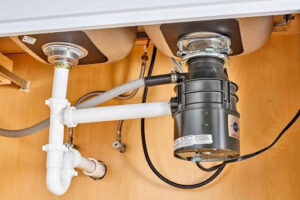
- Inspect Visible Pipes and Fixtures: Examine under sinks, around toilets, and near appliances for any signs of moisture, corrosion, or leaks.
- Listen for Dripping Sounds: Even if you don’t see water, you might hear it. Dripping or running water sounds often point to a hidden leak.
- Use Food Coloring: To detect toilet leaks, add a few drops of food colouring to the tank and wait 15 minutes. If color appears in the bowl, there’s a leak.
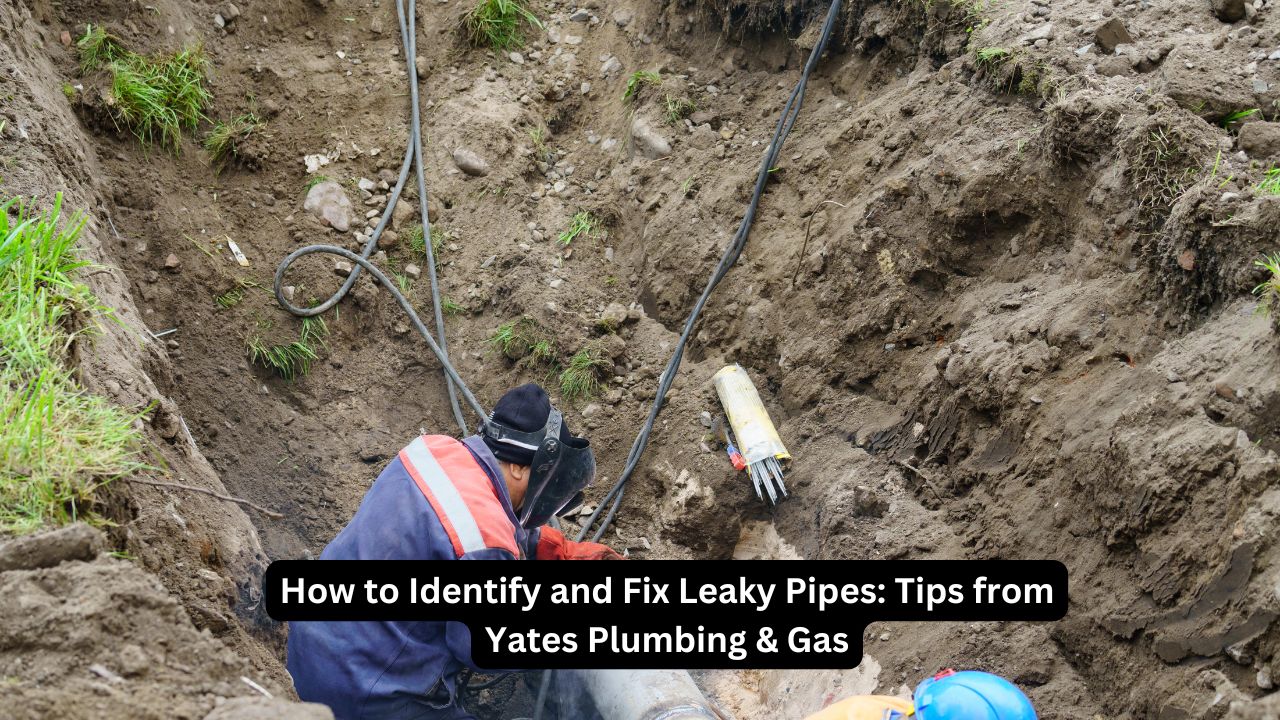
- Hire a Professional: Sometimes, leaks are hidden within walls or underground. Hiring a professional plumber in Capalaba can locate these elusive leaks.
Fixing Leaky Pipes
Once you’ve identified a leak, it’s time to fix it. Here’s how:
- Turn Off the Water Supply: Before starting any repairs, shut off the main water Utility Pipe Supply to prevent further leakage.
- Apply Epoxy Putty: For small cracks and leaks, epoxy putty can provide a temporary fix until a more permanent solution is implemented.
- Replace Damaged Sections: For larger leaks or damaged pipes, you might need to cut out the damaged section and replace it with new piping.
- Tighten Joints: Often, leaks occur at joints due to loose fittings. Use a wrench to tighten these connections securely.
- Consult a Professional: If you’re unsure about handling the repair or if the leak persists, contact a professional from Yates Plumbing & Gas.
Preventing Future Leaks
Prevention is better than cure, especially when it comes to plumbing:
- Regular Inspections: Schedule annual inspections with a plumber in Capalaba to catch potential issues before they become major problems.
- Insulate Pipes: In colder climates, insulating pipes can prevent freezing and subsequent bursting.
- Avoid Chemical Drain Cleaners: These can corrode your pipes over time. Opt for mechanical cleaning methods instead.
- Fix Minor Issues Promptly: Don’t ignore minor drips or slow drains. Addressing them early can prevent major leaks.
- Install Water Pressure Regulators: High water pressure can strain pipes. A regulator maintains optimal pressure and reduces wear and tear.
By following these tips, you can maintain a healthy plumbing system and avoid future headaches.
Conclusion
Leaky pipes are more than just a nuisance—they can lead to significant damage and expense if not addressed promptly. From identifying the early signs and understanding the risks of ignoring leaks to learning how to fix and prevent future issues, taking proactive steps is crucial.