How to Design a Sustainable Commercial Landscape
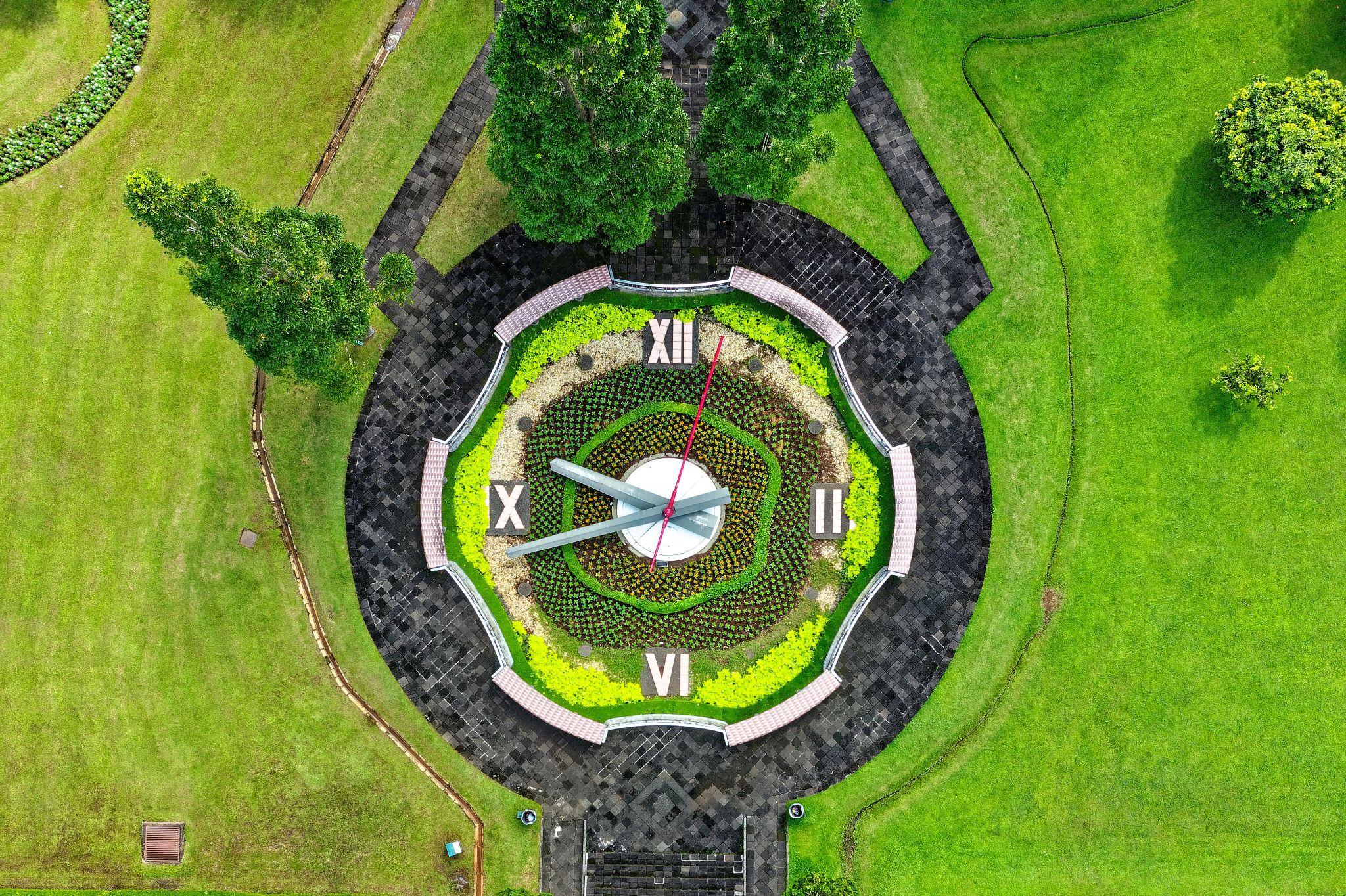
Designing a sustainable commercial landscape is a smart choice for any business looking to make a positive environmental impact. By incorporating eco-friendly practices, you can create a beautiful, functional space that also helps reduce your carbon footprint. This guide will walk you through simple steps to achieve just that.
From choosing native plants to using energy-efficient materials, we’ll explore practical tips that can transform your outdoor area into a green haven. Get ready to make your commercial landscape both stylish and sustainable with easy-to-follow advice that benefits your business and the planet.
Understanding Sustainable Landscape Design
When it comes to creating a beautiful and eco-friendly outdoor space, understanding sustainable landscape design is key. This approach not only enhances the visual appeal of your property but also contributes positively to the environment.
What is Sustainable Landscape Design?
Sustainable landscape design focuses on making outdoor areas that are both attractive and environmentally friendly. It involves using natural resources wisely and reducing waste. The goal is to create a landscape that requires less water, energy, and maintenance while providing habitat for local wildlife.
Key Principles of Sustainable Design
- Resource Efficiency: Choose materials and plants that use less water and energy. Native plants are a great choice because they’re adapted to local conditions and require less care.
- Ecosystem Integration: Design your landscape to work with nature. This means using natural features like rain gardens to manage water runoff and creating spaces that support local wildlife.
- Waste Reduction: Minimize the use of chemicals and non-recyclable materials. Opt for recycled or reusable materials whenever possible.
Planning Your Sustainable Landscape
Planning your sustainable landscape is the first step toward creating an eco-friendly outdoor space that’s both beautiful and functional. This phase is crucial because it sets the foundation for everything else you’ll do.
Site Analysis
Start by looking closely at your site. Understand the soil type, local climate, and the existing plants. This will help you choose the right plants and materials. For instance, if your soil drains well, you might opt for plants that thrive in those conditions. If your site has a lot of sun, pick plants that love the sunshine.
Setting Objectives
Next, define what you want to achieve with your landscape. Are you aiming for a lush garden with native plants, or do you want a low-maintenance space with modern features? Set clear goals that match your needs and budget. Think about how you’ll use the space and what features are important, like outdoor seating or rainwater collection systems.
Selecting Eco-Friendly Materials
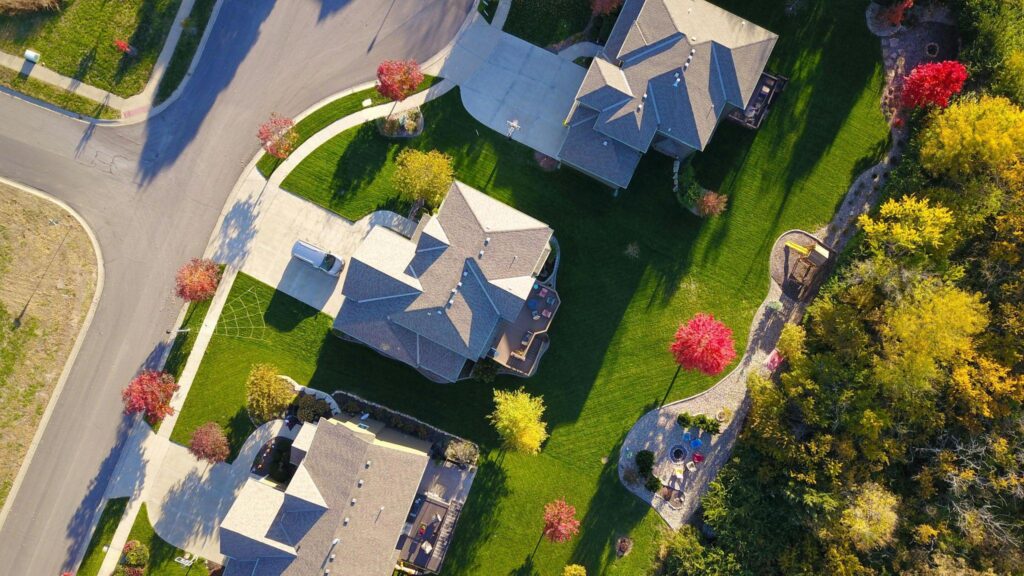
Choosing eco-friendly materials is a key step in designing a sustainable commercial landscaping services. These materials help reduce environmental impact and often save money in the long run. Here’s how to make smart, green choices for your landscape.
Opt for Native Plants
Start with native plants. These are plants that naturally grow in your area. They’re great because they need less water and maintenance compared to non-native species. Plus, they attract local wildlife and support the local ecosystem. For example, using native grasses and shrubs can help create a vibrant, low-care garden.
Choose Sustainable Hardscaping
When it comes to hardscaping (the non-plant parts of your landscape, like paths and walls), go for sustainable options. Permeable paving is a fantastic choice because it allows rainwater to soak into the ground, reducing runoff and helping to recharge groundwater. Recycled materials, like reclaimed wood or bricks, can add character and help keep waste out of landfills.
Water Management Solutions
Incorporate water-saving features into your design. Drip irrigation systems are efficient and use less water than traditional sprinklers. Rain barrels can collect and store rainwater for later use, which is great for watering plants and reducing water bills.
Implementing Energy-Efficient Design
Implementing energy-efficient design is a crucial part of creating a sustainable commercial landscape. By focusing on energy efficiency, you can reduce costs and minimize your environmental footprint. Here’s how to make your outdoor space both energy-smart and eco-friendly.
Green Roofs and Walls
Consider adding green roofs or walls to your landscape. These are covered with plants, which help insulate buildings and keep them cooler in the summer. This can reduce the need for air conditioning and lower your energy bills. Plus, green roofs and walls also absorb rainwater, which helps manage runoff.
Solar Energy Solutions
Incorporate solar panels into your design. Solar panels convert sunlight into electricity, which can power outdoor lights and other features. This reduces your reliance on traditional energy sources and cuts down on your utility costs. Even a few solar panels can make a big difference in your energy use.
Energy-Efficient Lighting
Choose energy-efficient lighting options for your landscape. LED lights are a great choice because they use less electricity and last longer than traditional bulbs. They’re perfect for illuminating pathways, signage, and other outdoor areas while saving energy.
Creating Wildlife-Friendly Environments
Creating wildlife-friendly environments is a fantastic way to enhance your commercial landscape and support local wildlife. By making a few thoughtful choices, you can turn your outdoor space into a haven for birds, insects, and other creatures.
Habitat Creation
Start by adding features that provide shelter and food for wildlife. Birdhouses, bat boxes, and insect hotels can offer safe places for animals to live and breed. Planting a variety of native flowers, shrubs, and trees will provide food and nesting sites for birds, bees, and butterflies. Native plants are especially valuable because they support local wildlife and are adapted to your area’s climate.
Reducing Chemical Use
Minimize the use of pesticides and chemical fertilizers. These can harm wildlife and disrupt the natural balance of your garden. Instead, opt for organic pest control methods and natural fertilizers. For example, using compost can improve soil health without the need for synthetic chemicals.
Water Features
Incorporate water features like small ponds or birdbaths. These can attract wildlife and provide essential water sources. Make sure these features are designed to be safe for animals, with gentle slopes or shallow areas where creatures can drink without getting stuck.
Maintenance and Longevity
Maintenance and longevity are essential for ensuring your sustainable commercial landscape stays beautiful and functional for years to come. A well-maintained landscape not only looks great but also performs better over time.
Sustainable Maintenance Practices
Start with regular upkeep to keep your landscape in top shape. This means checking on plants, clearing debris, and making sure irrigation systems are working properly. Use eco-friendly practices like mulching to retain moisture and prevent weeds. This reduces the need for additional water and chemical treatments, keeping your landscape both healthy and sustainable.
Training and Expertise
Consider training your staff or hiring professionals who understand sustainable practices. They can help maintain your landscape using the best techniques and tools. Proper knowledge ensures that maintenance is done efficiently, supporting the longevity of your landscape.
Evaluating Performance
Periodically assess your landscape’s performance. Check if plants are thriving, if water management systems are effective, and if energy-efficient features are working as intended. Regular evaluations help identify areas needing improvement and ensure that your sustainable choices continue to benefit your commercial space.
Conclusion
In conclusion, designing a sustainable commercial landscape isn’t just good for the environment, it’s great for your business too. By following the steps outlined, you’ll create a space that’s not only visually appealing but also eco-friendly and efficient. Start your sustainable journey today and watch your landscape and your business thrive!