Drone RF Detection Laws and Regulations
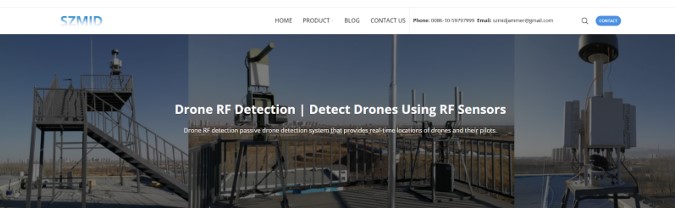
As drones have become more accessible and their use has expanded across various sectors, it’s crucial to understand the complex web of laws and regulations governing drone activity. In the United States, drone usage is subject to state, local, and federal regulations, with the Federal Aviation Administration (FAA) playing a central role in overseeing the safety and compliance of drones operating within national airspace. These regulations ensure that drone activity does not interfere with air traffic, compromise public safety, or violate privacy rights. For example, tools like the Drone Jammer Gun are designed to counter unauthorized drone activity, but their use is regulated under these laws. Below is an expanded look at the key areas of drone laws and regulations, particularly for Drone RF Detection systems.

State, Local, and Federal Regulations for Drone Activity in USA Airspace
- Federal Regulations (FAA Guidelines): The FAA is the primary regulatory body for drone operations in the United States. Under FAA guidelines, drones must be registered if they weigh more than 0.55 pounds (250 grams) and less than 55 pounds. Operators are required to follow the rules set out in Part 107 of the Federal Aviation Regulations (FAR), which includes guidelines for drone operation, flight restrictions, and safety measures. Drones must be flown below 400 feet, remain within the operator’s line of sight, and are prohibited from flying over people or moving vehicles. Commercial drone operators must also pass a remote pilot certificate test to ensure they are knowledgeable about safe drone practices.
- State and Local Regulations: In addition to federal regulations, individual states and local governments may impose their own rules regarding drone operations. For example, many states have laws that restrict or regulate drone flights in certain areas, such as near critical infrastructure, schools, or crowded events. Local municipalities may implement no-fly zones, limit drone flights during certain times, or require permission for recreational drone flights in parks or other public spaces. These localized restrictions often come into play when public safety or privacy concerns arise.
- Restricted Areas and No-Fly Zones: The FAA has established restricted airspace zones where drones cannot fly, including areas around airports, military bases, and other critical infrastructure. These zones are enforced to prevent drones from interfering with manned aircraft and to ensure national security. Drones detected in these areas can be disabled using technologies like the Drone Jammer Gun, which helps secure airspace against unauthorized intruders.
Guidelines for Implementing Drone Detection Systems in Compliance with Laws
- Legal Framework for Detection Systems: Implementing drone detection systems, such as Drone RF Detection technology, requires compliance with local, state, and federal regulations. Detection systems need to balance the need for security with the protection of privacy rights. In certain regions, laws may require that businesses or security organizations operating detection systems inform local authorities or gain special permissions to monitor drone activity. For example, private use of audio jammers—which may be employed to interfere with unauthorized drone communications—could be restricted depending on local laws governing signal interference.
- Technological Solutions for Compliance: Detection systems often incorporate various technologies such as RF sensors, radar, and optical cameras to identify and track drone activity. In high-security environments, where drones may pose a significant risk, such as airports or military bases, integrating countermeasures like Drone Jammer Guns may be necessary to neutralize potential threats. However, these systems must be implemented carefully to avoid interfering with legitimate drone use, such as those operated by law enforcement, emergency services, or commercial entities operating within legal guidelines.
- Privacy Considerations with Detection and Jamming: The use of audio jammers or similar devices to disrupt drone communications must also be done with respect to privacy laws. These jammers can be effective in blocking audio signals or transmissions between drones and their operators, but they must not be used in a manner that infringes on public or private individuals’ rights. Monitoring systems, like Drone RF Detection, need to be carefully calibrated to ensure that they target only the intended signals without overreaching. This ensures that the systems comply with laws governing surveillance and privacy. By focusing specifically on the frequencies associated with drones, these systems can maintain security without violating the rights of individuals or organizations in the vicinity. Proper calibration is key to distinguishing between authorized and unauthorized drone activity, helping to avoid interference with other legitimate communications or surveillance systems.