How to Identify and Treat Common Scalp Issues
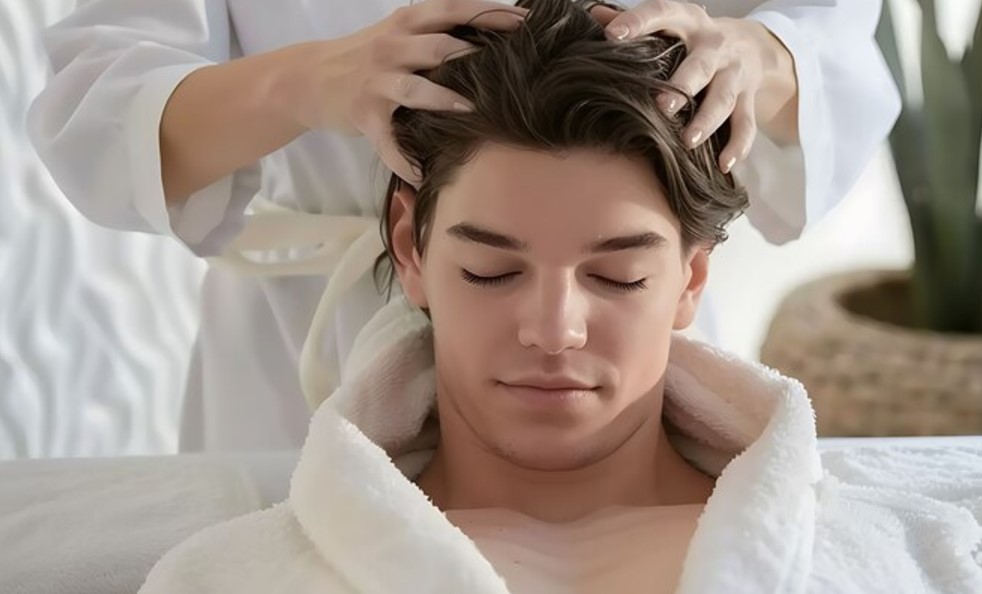
A healthy scalp is the foundation of beautiful hair. However, various issues such as dandruff, dryness, oiliness, and hair loss can affect your scalp, leading to discomfort and other problems. By understanding common scalp conditions and their treatments, including Sydney scalp treatment, you can take proactive steps to maintain a healthy scalp and luscious locks.
Common Scalp Issues and Their Symptoms
Dandruff
Dandruff is a common scalp condition characterised by the shedding of dead skin cells from the scalp. It often appears as white flakes that can be visible on your hair and shoulders. Dandruff can be caused by various factors, including dry skin, fungal infections, and sensitivity to hair care products. It can also be exacerbated by stress and hormonal changes. Symptoms of dandruff often worsen during dry winter months or periods of stress. To manage dandruff, it’s important to choose gentle, sulphate-free shampoos and avoid harsh hair styling products. Regular, gentle shampooing and conditioning can also help to reduce dandruff symptoms.
Seborrheic Dermatitis
Seborrheic dermatitis is a chronic skin condition that can affect the scalp, face, and other areas of the body. It causes inflammation and scaling of the skin, often leading to redness, itching, and greasy scales. Symptoms include red, scaly patches, greasy yellow scales, itchy scalp, and, in severe cases, hair loss. It can also cause dandruff-like flaking on the eyebrows, eyelids, and behind the ears.
Psoriasis
Psoriasis is an autoimmune disease that can affect the scalp, causing red, scaly patches. It can be itchy and painful, and in severe cases, it can lead to hair loss. Symptoms include red, scaly patches on the scalp, itchy scalp, thick, silvery scales, and hair loss in severe cases. It can also cause joint pain and stiffness, and in some cases, can affect the nails.
Folliculitis
Folliculitis is a condition that causes inflammation of hair follicles. It can be caused by bacteria, fungi, or irritation from hair products or tight hairstyles. Symptoms included red, inflamed bumps on the scalp, itchy scalp, and pus-filled bumps in severe cases. It can also lead to scarring and permanent hair loss if left untreated.
Lice
Lice are tiny insects that live on the scalp and feed on blood. They can cause intense itching and irritation. Its symptoms include intense itching on the scalp, small red bumps on the scalp, difficulty sleeping, and irritability. It can also lead to secondary infections if scratched too much.
Treating Common Scalp Issues
The treatment for scalp issues depends on the underlying cause. Here are some general tips for treating common scalp conditions:
Gentle Cleansing
● Use a mild, sulphate-free shampoo to avoid irritating your scalp.
● Avoid hot water, as it can strip away natural oils.
● Wash your hair regularly, but not excessively.
● Gently massage your scalp with your fingertips to stimulate blood flow and promote healthy hair growth.
Medicated Shampoos
● Anti-dandruff shampoos containing ketoconazole, zinc pyrithione, or selenium sulphide can help treat dandruff and seborrheic dermatitis.
● Consult a dermatologist to determine the best shampoo for your specific condition.
● A dermatologist can also provide additional treatment options, such as topical corticosteroids or oral medications, if necessary.
Topical Treatments
● Topical corticosteroids can help reduce inflammation and itching associated with psoriasis and seborrheic dermatitis.
● Antifungal creams can be used to treat fungal infections, such as ringworm.
● Topical retinoids can help regulate cell turnover and reduce scaling associated with psoriasis. Furthermore, topical calcineurin inhibitors can help reduce inflammation without the side effects of corticosteroids.
Over-the-Counter Remedies
● Tea tree oil has antifungal and antibacterial properties and can be used to treat dandruff and other scalp issues.
● Apple cider vinegar can help balance the pH of the scalp and reduce dandruff.
Lifestyle Changes
● Manage stress, as stress can exacerbate scalp conditions.
● Avoid tight hairstyles that can pull on the hair and irritate the scalp.
● Eat a healthy diet rich in vitamins and minerals.
When to See a Dermatologist
If your scalp issues persist despite home treatment, or if you experience severe symptoms, it’s important to consult a dermatologist. A dermatologist can accurately diagnose the underlying cause of your scalp problem, which may not be apparent from home remedies. They can then recommend a personalised treatment plan to address your specific needs. Dermatologists have specialised knowledge and experience in diagnosing and treating a wide range of scalp conditions, including dandruff, psoriasis, and fungal infections.
Conclusion
A healthy scalp is essential for beautiful, strong hair. By understanding common scalp issues and their treatments, you can take proactive steps to maintain a healthy scalp and prevent hair loss. Remember, if you’re experiencing persistent scalp problems, it’s always best to consult a dermatologist for a proper diagnosis and treatment plan. Additionally, incorporating a gentle cleansing routine, regular scalp massages, and a balanced diet can further enhance your scalp health and promote hair growth. Prioritising scalp health is crucial for overall well-being and can significantly contribute to a more confident and vibrant appearance. For those seeking advanced hair restoration solutions in Melbourne, exploring hair restoration in Melbourne options can be a valuable step towards achieving fuller, healthier hair.