How Proper Ventilation Works Hand-in-Hand with Air Conditioning
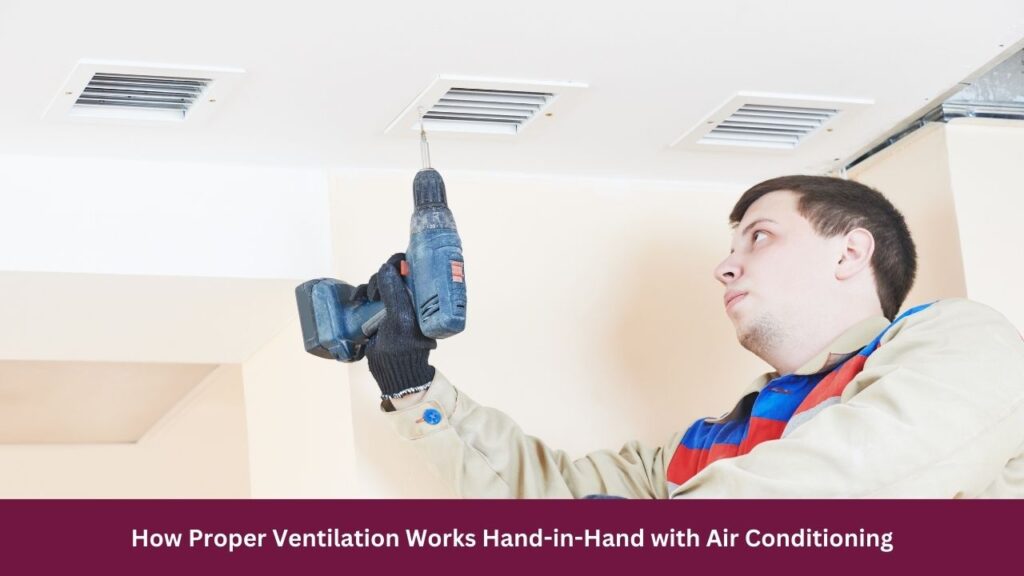
Adelaide’s Mediterranean climate brings scorching summers and cool winters, making an effective HVAC (heating, ventilation, and air conditioning) system a must-have for homeowners. But did you know that ventilation plays a crucial role in enhancing the performance of air conditioning systems? Many homeowners focus solely on their AC units, but proper ventilation is just as important for maintaining a comfortable, energy-efficient, and healthy indoor environment.
This blog will explore how ventilation and air conditioning work together, why they’re both essential in Adelaide’s climate and practical tips for optimizing these systems. Whether you’re new to HVAC or a seasoned enthusiast, read on to learn how to enhance your home’s comfort and air quality.
How Air Conditioning Systems Work in Adelaide’s Climate
Adelaide’s climate poses unique challenges to air conditioning systems. Summers are hot, with temperatures often surpassing 40°C, while winters can be chilly, dipping into single digits. These fluctuations require AC systems that can cool, heat (if reverse-cycle), and maintain indoor air humidity levels effectively.
Air conditioning in Adelaide work by removing heat from the air inside the home and expelling it outside. The cooled air is then circulated back into your living areas. This process involves three main components:
- Compressor: Pressurizes the refrigerant and helps transfer heat.
- Condenser: Expels heat outside the house.
- Evaporator Coil: Absorbs indoor heat and circulates cool air back into the home.
While air conditioners excel at temperature control, they can struggle to maintain air quality without proper ventilation—especially in sealed homes common in Adelaide, where keeping cool air inside is a high priority.
How Ventilation Systems Improve Indoor Air Quality
Ventilation systems ensure a steady supply of fresh air in your home by strategically replacing stale indoor air with outdoor air. This is particularly crucial in modern, energy-efficient homes, which are built to be airtight to reduce energy costs. Without good ventilation, pollutants such as dust, allergens, and moisture can accumulate, degrading air quality.
There are two types of ventilation systems available to Adelaide homeowners:
- Natural Ventilation relies on opening windows or vents to bring fresh air into your home. While effective for some, it can introduce warm summer air or cold winter drafts, which counteracts air conditioning.
- Mechanical Ventilation uses fans, ducts, and HVAC components to move air in and out of your home without significantly altering indoor temperatures.
Ventilation not only ensures healthier air but also reduces the likelihood of mold growth, a common issue in Adelaide homes with high moisture accumulation during winter.
The Relationship Between Ventilation and Air Conditioning
For optimal home comfort in Adelaide, your air conditioning and ventilation systems need to work together seamlessly. Here’s why:
1. Improved Air Circulation
Proper ventilation prevents hot or cool spots in your home by evenly distributing conditioned air from your AC system. Without this, your air conditioning unit has to work harder, increasing energy usage.
2. Enhanced Energy Efficiency
A poorly ventilated home forces air conditioners to operate longer, driving up electricity bills. Ventilation removes stale, warm air faster, allowing your AC system to focus on cooling or heating fresh air efficiently.
3. Better Indoor Air Quality
While air conditioning cools the air, ventilation flushes out pollutants and allergens. Together, they create a cleaner, healthier indoor environment—especially important in Adelaide’s dusty and dry summer months.
4. Humidity Control
Ventilation helps regulate indoor humidity levels, which can impact your AC’s performance. High humidity makes cooling harder, while low humidity can dry out the air. A balanced system keeps these levels in check.
Practical Tips for Adelaide Homeowners
To get the most out of your ventilation and air conditioning systems in Adelaide, here are some actionable tips:
- Ensure Proper Vent Maintenance: Regularly clean and maintain air vents to prevent dust buildup that can block air circulation.
- Use Energy-Efficient Windows: Double-glazed or insulated windows prevent temperature loss, making ventilation and air conditioning work more effectively.
- Install Exhaust Fans in Key Areas: Kitchens and bathrooms are moisture-prone areas that benefit from targeted ventilation to keep air quality high.
- Seal Leaks in Ducts: Leaky ducts can reduce efficiency by up to 30%. Ensure your ductwork is sealed and insulated.
- Choose the Right System: Consult local professionals like Thompson Air for guidance on air conditioning in Adelaide and ventilation that suits your home’s design and climate.
Benefits of a Combined System
Still, wondering if combining proper ventilation with air conditioning is worth it? Here are the clear benefits:
- Energy Savings: Lower electricity bills from reduced AC usage.
- Healthier Living Spaces: Fewer allergens, toxins, and mold in the air.
- Extended AC Lifespan: Less strain on your air conditioning system.
- Optimal Comfort: Consistent indoor temperatures and balanced humidity.
Expert Insights from Adelaide HVAC Professionals
Local HVAC experts consistently emphasize the importance of integrated systems. According to Thompson Air, a leader in air conditioning in Adelaide, “An HVAC system is only as effective as its weakest link. Air conditioning and ventilation aren’t separate considerations—they’re two sides of the same coin. Investing in both means investing in long-term comfort and efficiency.”
Conclusion
Adelaide’s unique climate demands a smart approach to home cooling, heating, and ventilation. By combining proper ventilation with air conditioning, you can create a more comfortable, healthier, and energy-efficient living environment. Remember, these systems don’t just work better together—they work best together.