How to Prevent Electrical Overloads in Your Beaches Home
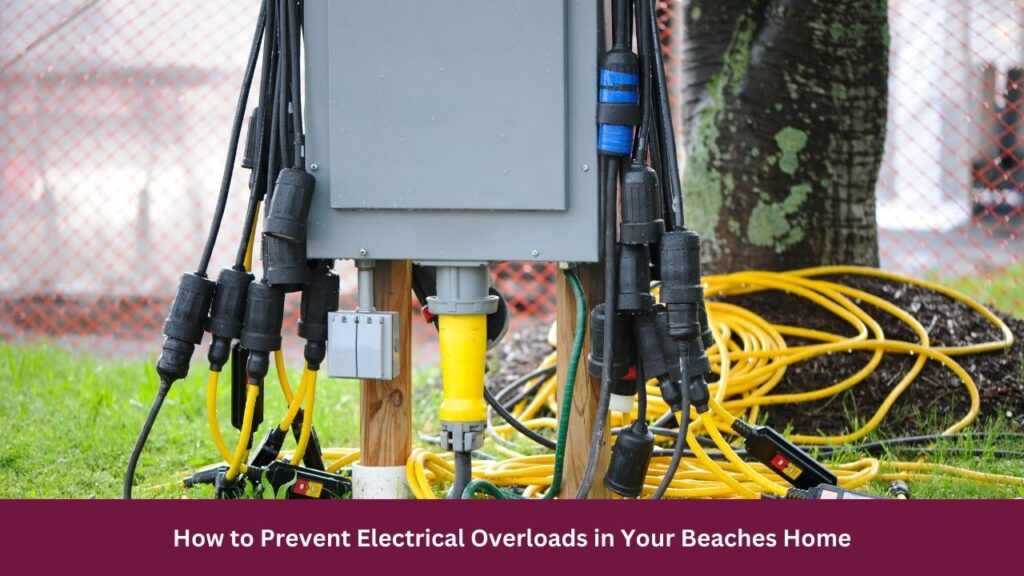
An electrical overload in your home is more than just a nuisance—it’s a potential safety hazard. For homeowners in the Northern Beaches area, maintaining electrical safety should be a top priority, especially with the increasing number of appliances and devices we rely on every day. But what exactly are electrical overloads, and how can you prevent them? This guide will walk you through understanding, identifying, and addressing this common household issue while keeping your home safe and secure.
What Is an Electrical Overload?
An electrical overload occurs when too much current flows through your home’s electrical system. Simply put, your circuit is drawing more electricity than it can handle, causing the breaker to trip or, in worst cases, resulting in an electrical fire. Houses in the Northern Beaches, which are a blend of older and newer homes, may face unique challenges if their electrical systems haven’t been updated to meet modern demands.
If you’ve found yourself resetting tripped breakers a little too often, you’re not alone. Many homeowners in the area encounter this issue due to common overload causes such as too many appliances on the same circuit or outdated wiring that’s unable to meet the demands of today’s technology.
Common Causes of Electrical Overloads
Preventing electrical overloads starts with understanding what causes them. Here are the most frequent culprits:
- Too Many Appliances on One Circuit
Plugging in several high-wattage devices like heaters, microwaves, and air conditioners into one outlet or circuit will put an immense strain on your system.
- Outdated or Faulty Wiring
Older homes in the Northern Beaches, while full of charm, may lack modern electrical infrastructure. Outdated wiring may struggle to handle your household’s energy consumption and increase the chances of overloads.
- Power-Hungry Devices
The more gadgets and appliances you own, the more energy your home consumes. If circuits aren’t upgraded accordingly, your system might fail.
- Circuit Breakers Not Functioning Properly
A worn-out or faulty circuit breaker may fail to shut off the electrical supply in time when an overload occurs, putting your home at serious safety risk.
Warning Signs of an Electrical Overload
Before an actual overload happens, there are often warning signs. Becoming familiar with these can save you from potential danger:
- Flickering or Dimming Lights
If your lights flicker or dim when you plug in an appliance, it’s a red flag that your circuit is under stress.
- Frequently Tripping Circuit Breakers
Breakers tripping repeatedly is a clear sign that something is wrong with your electrical system.
- Burning Smells or Warm Outlets
A burnt smell near your outlets or warm wall sockets is often a sign that wires are overheating—a dangerous precursor to more serious issues.
- Buzzing Sounds from Outlets or Behind Walls
If you hear buzzing sounds, call a professional electrician in Northern Beaches immediately. This could indicate a serious problem that should not be ignored.
How to Prevent Electrical Overloads
Prevention is always better than cure. Here are several simple but effective ways you can minimize the risk of electrical overloads in your Northern Beaches home:
- Use Power Strips Wisely
While power strips are convenient, avoid overloading them with multiple high-wattage devices. Spread your appliances across different circuits where possible.
- Upgrade Your Wiring
If your home is older or hasn’t had an electrical upgrade in years, consider upgrading your wiring. An electrician in Northern Beaches, such as Electric Express Solutions, can help make sure your electrical system is up to date and compliant with Australian safety standards.
- Be Energy-Conscious
Unplug devices when they’re not in use. Simple steps like turning off unused appliances can reduce the load on your circuits.
- Label Your Circuit Breakers
A labeled breaker panel helps identify which circuit powers which area. This can prevent overloading circuits when plugging in multiple devices.
- Schedule Regular Inspections
Routine inspections by a licensed professional, such as one from Electric Express Solutions, can identify any underlying issues before they turn into major problems.
When to Call a Professional
There’s a point where DIY solutions simply won’t cut it. If you notice persistent issues like tripping breakers, fizzing sounds, or burning smells, don’t delay in contacting a professional electrician in Northern Beaches. Experts like Electric Express Solutions have the tools and expertise to diagnose and fix complex electrical problems safely. Their team can also advise you on how to future-proof your home against electrical issues.
Conclusion
Electrical safety isn’t just about convenience—it’s about protecting your home and everyone in it. Taking proactive steps to prevent overloads can save you time, money, and the stress of dealing with potential disasters. By understanding the causes, recognizing warning signs, and relying on the expertise of a trusted electrician in Northern Beaches like Electric Express Solutions, you can enjoy peace of mind knowing your home is as safe as it can be.