The Science Behind Confirmation Bias: How the Mind Distorts Market Reality
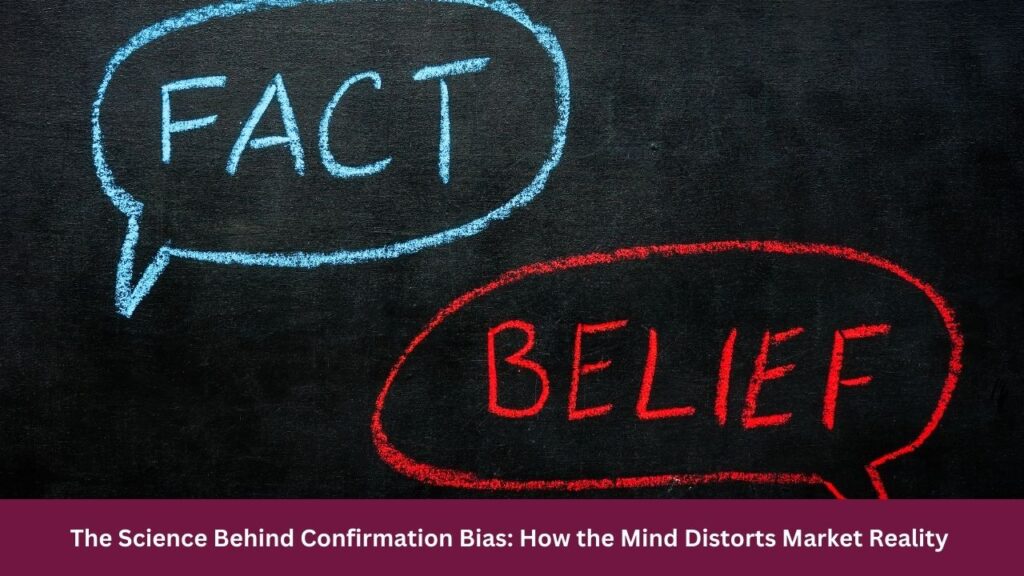
Confirmation bias is one of the brain’s sneakiest tricks—it’s like your mind slyly whispering, “Ignore the stuff you don’t agree with.” This mental shortcut feels reassuring, but it can seriously mislead us, especially in financial markets. Why? Because confirmation bias tricks traders into only noticing information that fits their pre-existing opinions. Today, we’ll look at why this happens and offer practical ways to avoid falling for it. You can Visit immediate-alpha.com for more information.
Why the Brain Loves to Favor Its Own Opinions
Ever noticed how a trader might cling to a decision, even when the market shouts, they’re wrong? Well, that’s because of how our brains evolved. Cognitive psychology explains that humans naturally seek evidence that reinforces their beliefs. It’s quicker and, frankly, easier than facing conflicting information.
This tendency is rooted in “cognitive ease”—a fancy term for how comfortable your brain feels when things seem familiar. For instance, if someone believes tech stocks are always a smart investment, they’ll ignore articles suggesting otherwise. Arguing against yourself feels uncomfortable, and the brain loves comfort.
But why do we resist information that challenges us? Neuroscience sheds some light…
What Happens Inside the Brain During Decision-Making
Your brain is wired to survive, not to rethink every decision. The limbic system—the emotional part of your brain—likes to protect you from stress. And let’s face it, realizing you might be wrong is stressful. This creates a subtle battle between emotion (limbic system) and logic (prefrontal cortex). Guess who usually wins? Spoiler alert—it’s emotion.
Brain scans show that dopamine, the reward chemical, gets fired up when others agree with us. Conflicting data, however, can activate the amygdala—your brain’s “alarm system.” Your brain literally reacts to opposing ideas as if they were dangers to avoid.
But when it comes to market trading, protecting your ego might cost you. A good trader isn’t the one who’s always “right” but the one who’s open to changing their mind.
Real-World Studies and How They Relate to Biased Thinking
Are you certain your investment decisions are objective? Think again. Behavioral finance experts argue that many of us are more influenced by emotion than logic—especially in fast-moving markets.
Take, for example, a famous study where participants were asked to interpret a set of mixed financial data. Those with a pre-existing preference for stocks over bonds overwhelmingly interpreted data to favor stocks, even when the data was neither conclusive nor supportive. That’s confirmation bias at work.
Similar trends are seen among forex traders during volatile periods. Traders who predict a currency will strengthen will ignore red flags, focusing on news that aligns with their bias. This tunnel vision can lead to rash decisions, unnecessary risks, and—of course—losses.
Do these scenarios feel familiar? If they do, don’t worry. Bias isn’t something to fear but something to manage. Here are some actionable tips to keep in mind.
How to Protect Yourself from Falling Into the Bias Trap
- Second-Guess Yourself
Would you bet on the numbers if someone else gave you the same data? If not, it’s time to recheck assumptions. Pretend it’s someone else’s trade—this neutral perspective can often help you see flaws in your logic.
- Look for Contradictions
Build a habit of seeking out opinions that oppose yours. Yes, that sounds annoying, but it works. Read articles, listen to podcasts, or discuss strategies with someone whose outlook is different from yours.
- Use a Journal
Document why you make each trade and what evidence supports the decision. Consider reviewing past journals—Was your reasoning bias-free? Mistakes from yesterday are often the best teachers for today.
- Research, Research, Research
Not all data sources hold the same weight. Rely on trusted platforms, diversify your information streams, and don’t solely rely on the news that aligns with your preferences.
Lastly—and most importantly—get a financial expert’s input. Markets are unpredictable by nature, but connecting with someone experienced offers an outsider’s perspective that can balance your inner biases.
Are Markets Really a War Against Bias?
It’s comforting to believe that trading is all about skill and smarts, but in reality, it’s a constant dance with one’s psychology. Your brain’s natural tendency to take shortcuts isn’t going away—but your awareness of it could be your secret weapon. Make research your habit and remember—no trader is immune to the glue of their own ideas. Take the steps to “zoom out”—your financial future depends on it.