What is Bias in Early Childhood Education?
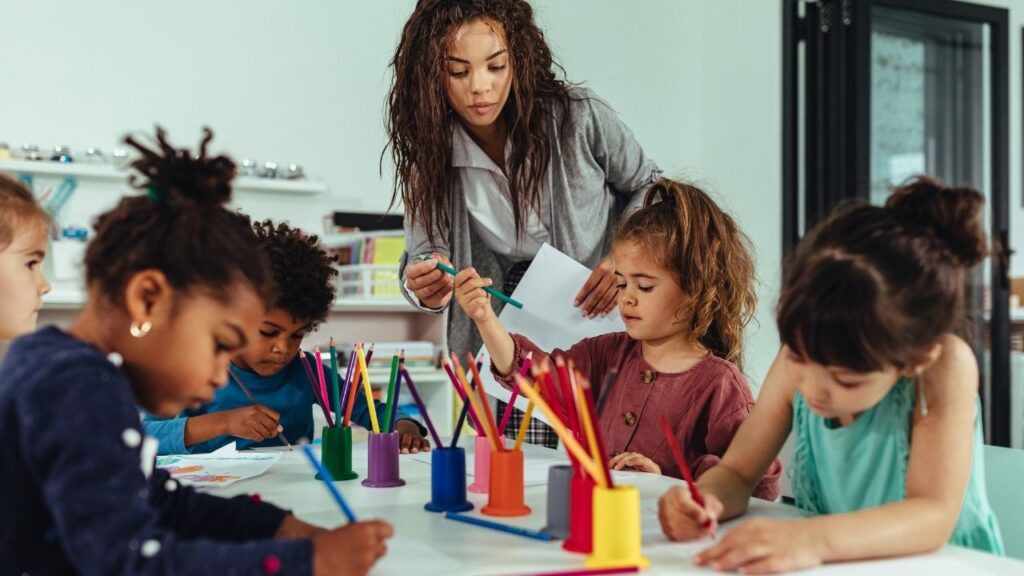
If you are an educator, parent, or student, you may ask: What is bias in early childhood education?
Bias in early childhood education refers to prejudice, favoritism, or unfair treatment that influences how children are perceived, taught, or supported. It can affect decisions, interactions, and expectations, shaping how children learn and develop.
Bias can be intentional or unintentional. Even well-meaning teachers may hold unconscious biases that affect how they interact with children or plan activities. Recognizing and addressing bias is critical to creating inclusive, fair, and supportive learning environments.
Types of Bias in Early Childhood Education
There are several common types of bias that can occur in early learning settings:
1. Cultural Bias
- Favoring certain cultures, traditions, or languages over others.
- Can make children from minority backgrounds feel excluded or undervalued.
2. Gender Bias
- Expecting children to act or learn in ways based on their gender.
- Examples include pushing boys toward physical play and girls toward quiet activities.
3. Socioeconomic Bias
- Making assumptions about children based on family income, lifestyle, or background.
- May influence access to resources, learning opportunities, or expectations.
4. Racial Bias
- Treating children differently based on race or ethnicity.
- Can include stereotypes or unequal opportunities in classroom participation.
5. Ability Bias
- Favoring children with certain abilities or underestimating children with learning or developmental differences.
- Can affect inclusion, support, and engagement in activities.
How Bias Affects Children
Bias in early childhood education can have long-lasting impacts:
- Reduces self-esteem and confidence in affected children.
- Limits opportunities to explore and develop skills.
- Influences how children view themselves and others.
- Encourages stereotypes and discrimination from an early age.
- Impacts academic and social development.
Recognizing bias is essential for ensuring all children have equal opportunities to thrive.
Strategies to Address Bias in Early Childhood Education
Educators can take several steps to reduce bias:
- Reflect on Practices: Regularly examine your own assumptions and teaching methods.
- Use Inclusive Materials: Choose books, toys, and resources that represent diverse cultures, genders, abilities, and backgrounds.
- Encourage Critical Thinking: Teach children to recognize fairness, diversity, and inclusion.
- Promote Equity: Ensure equal participation and attention for all children.
- Provide Professional Development: Attend training on unconscious bias and inclusive teaching strategies.
- Engage Families: Include parents and communities in discussions about culture, values, and expectations.
These strategies create fair, supportive, and enriching learning environments for every child.
Conclusion: What is Bias in Early Childhood Education?
So, what is bias in early childhood education? It is the unfair treatment, assumptions, or favoritism that can influence how children are perceived, taught, or supported.
By recognizing and addressing bias, educators can create inclusive classrooms where every child feels valued, respected, and supported. Eliminating bias not only improves learning outcomes but also fosters empathy, fairness, and equity from an early age.