The Hidden Culprits of a Dirty Home: Overlooked Areas That Need More Attention
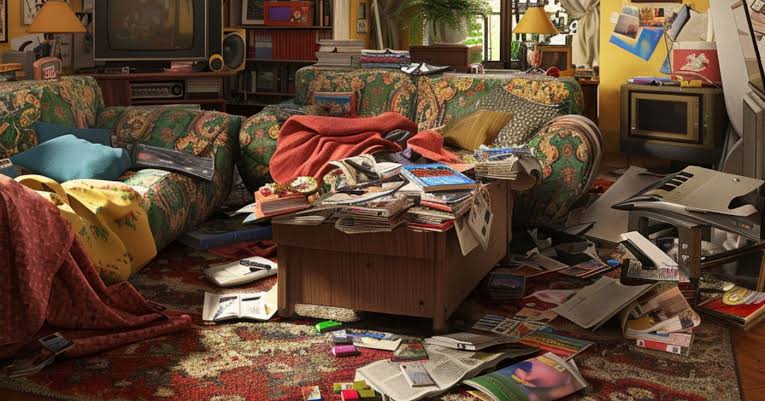
Many people take pride in maintaining a clean and organized home, sticking to a routine that includes vacuuming, dusting, and wiping down surfaces. But despite regular efforts, some areas are often neglected, allowing dust, bacteria, and grime to accumulate in places that may not be immediately noticeable. Even the most thorough standard clean can miss certain hidden trouble spots that, over time, impact the cleanliness and health of a home.
Ignoring these overlooked areas can lead to poor indoor air quality, unpleasant odors, and even the spread of bacteria. Whether tackling a deep clean, preparing for a move-in/out clean, or maintaining a commercial space, understanding where dirt tends to hide can make all the difference in achieving a truly spotless environment.
By shedding light on these forgotten spaces, homeowners can enhance their cleaning routine, ensuring every corner of their living space remains fresh and sanitary.
1. Light Switches, Door Handles, and Remote Controls
Throughout the day, hands touch multiple surfaces, transferring dirt, bacteria, and oils. While floors and countertops are cleaned regularly, high-contact areas like light switches, door handles, and remote controls are often ignored.
Why These Areas Matter
- They are hotspots for germs and bacteria, potentially spreading illness.
- Fingerprints, smudges, and dust accumulate quickly.
- Regular contact makes these areas some of the dirtiest in a home.
How to Keep Them Clean
- Wipe down surfaces weekly using a disinfectant spray or wipes.
- Use microfiber cloths to remove dirt without damaging finishes.
- Consider including these areas in a weekly standard clean routine to prevent buildup.
2. Baseboards and Trim
Baseboards may not be the most noticeable feature in a home, but they collect dust, pet hair, and grime over time. Because they are positioned at floor level, they tend to accumulate dirt from foot traffic, spills, and airborne particles.
The Problem with Dirty Baseboards
- Dust and allergens settle in the crevices, affecting indoor air quality.
- Built-up grime can lead to discoloration, making rooms look dingy.
- Moisture-prone areas, like kitchens and bathrooms, can harbor mold.
Cleaning Tips
- Use a damp cloth or sponge to wipe down baseboards at least once a month.
- For deep cleaning, use a mild soap and warm water solution.
- In high-traffic areas, such as hallways, consider more frequent touch-ups.
3. Under Furniture and Appliances
Out of sight, out of mind—this is often the case for areas beneath furniture and large appliances. Dust, pet hair, and food particles accumulate under couches, beds, and kitchen appliances, creating an ideal environment for pests and allergens.
Why These Areas Need Attention
- Dust buildup contributes to respiratory issues and allergies.
- Food crumbs attract insects and rodents.
- Over time, layers of dust and grime can become more difficult to remove.
How to Keep These Areas Clean
- Move furniture and appliances seasonally to vacuum or sweep underneath.
- Use an extendable duster for hard-to-reach spots.
- A deep clean can help remove years of accumulated dirt from these spaces.
4. Ceiling Fans and Light Fixtures
Ceiling fans and light fixtures are easy to forget during regular cleaning sessions. However, dust accumulates quickly on fan blades, which then circulates throughout the room whenever the fan is turned on.
Problems Caused by Neglecting These Areas
- Dust from fan blades gets redistributed into the air.
- Dead bugs and grime collect in light fixtures, reducing brightness.
- Cobwebs accumulate in corners, making rooms look unkempt.
Simple Cleaning Solutions
- Use a pillowcase to trap dust when wiping down fan blades.
- Remove light fixture covers and wash them with warm, soapy water.
- Dust or vacuum ceiling corners regularly to prevent cobweb buildup.
5. Air Vents and Filters
Heating and cooling systems circulate air throughout a home, but they also spread dust, allergens, and other contaminants if vents and filters are not maintained properly.
The Risks of Dirty Air Vents
- Clogged vents reduce HVAC efficiency, leading to higher energy costs.
- Dust buildup contributes to allergy symptoms.
- Poor air circulation can make rooms feel stuffy.
Best Practices for Clean Air Vents
- Vacuum vents every month to remove visible dust.
- Change HVAC filters every 2-3 months to improve air quality.
- Consider scheduling a deep clean for ductwork if dust buildup is excessive.
6. Behind and Beneath Toilets
Bathrooms are cleaned frequently, but the space behind and beneath the toilet is often overlooked. These areas collect dust, hair, and moisture, creating a breeding ground for bacteria.
Why It’s Important
- Hidden bacteria and mold growth can lead to odors.
- Moisture buildup encourages mildew formation.
- Ignoring these areas leads to an overall less sanitary bathroom.
Cleaning Tips
- Use a disinfecting spray and a cloth to reach behind the toilet.
- Mop around the base regularly to prevent dust and grime from accumulating.
- Move-in/out cleans ensure that bathrooms are thoroughly sanitized before a new resident moves in.
7. Kitchen Cabinets and Drawers
While kitchen counters and sinks receive frequent cleaning, cabinets and drawers are often neglected. Over time, crumbs, grease, and dust settle inside these storage spaces.
Issues Caused by Dirty Cabinets
- Crumbs attract pests like ants and cockroaches.
- Sticky grease residue builds up on cabinet surfaces.
- Spilled ingredients and expired food items contribute to foul odors.
Best Cleaning Methods
- Wipe down cabinet doors and handles weekly to remove grease.
- Empty drawers every few months to remove crumbs and reorganize items.
- A deep clean of kitchen storage areas prevents long-term buildup.
The Role of Professional Cleaning in Maintaining a Truly Clean Home
Even with a well-structured cleaning routine, some tasks require extra time and effort. Expert cleaners can help address neglected areas and ensure a comprehensive clean.
When to Consider Professional Cleaning
- If dust and allergens are affecting air quality, a deep clean can help.
- Move-in/out cleans are essential for ensuring a fresh, sanitary start in a new home.
- Commercial cleans ensure that office and retail spaces remain pristine for employees and customers.
Final Thoughts
A clean home is more than just tidy surfaces—it requires attention to hidden areas that often go unnoticed. By addressing overlooked spaces like baseboards, ceiling fans, and air vents, homeowners can improve air quality, reduce allergens, and create a healthier living environment.
Consistency is key when it comes to home maintenance. Whether through a routine standard clean or a thorough deep clean, keeping these hidden areas in check ensures a truly clean space. Queen City Cleaners understands the importance of detailed cleaning, helping homeowners achieve a spotless and fresh living environment with ease.